2026 Best Compact Track Loader Track Rollers for Sale
A Compact Track Loader Track Roller may look like a simple steel wheel, but it carries the machine’s weight across demanding ground. On a muddy worksite, a dry bearing or damaged tread can quickly affect track alignment and wear. The right roller helps maintain smooth movement, protect the undercarriage, and reduce avoidable downtime. Small parts matter.
This guide to 2026 Compact Track Loader Track Rollers for Sale explains what buyers should check before choosing a replacement. Compare machine compatibility, roller dimensions, sealing design, material quality, and warranty coverage. Look closely at the contact surface. Ask whether the part is new, rebuilt, or aftermarket, and confirm its fit using your loader’s make, model, and serial details. A low price alone tells little.
A named, verified industry expert quotation was not provided, so the following line is an illustrative editorial quote, not a real attribution: “Match the roller to the machine first; a bargain that fits poorly can cost more in wear and downtime.” Treat that as a reminder, not a substitute for specifications or inspection. Even careful buyers can miss details. Before ordering, review the seller’s fitment information and ask for clarification when dimensions or part numbers do not match.
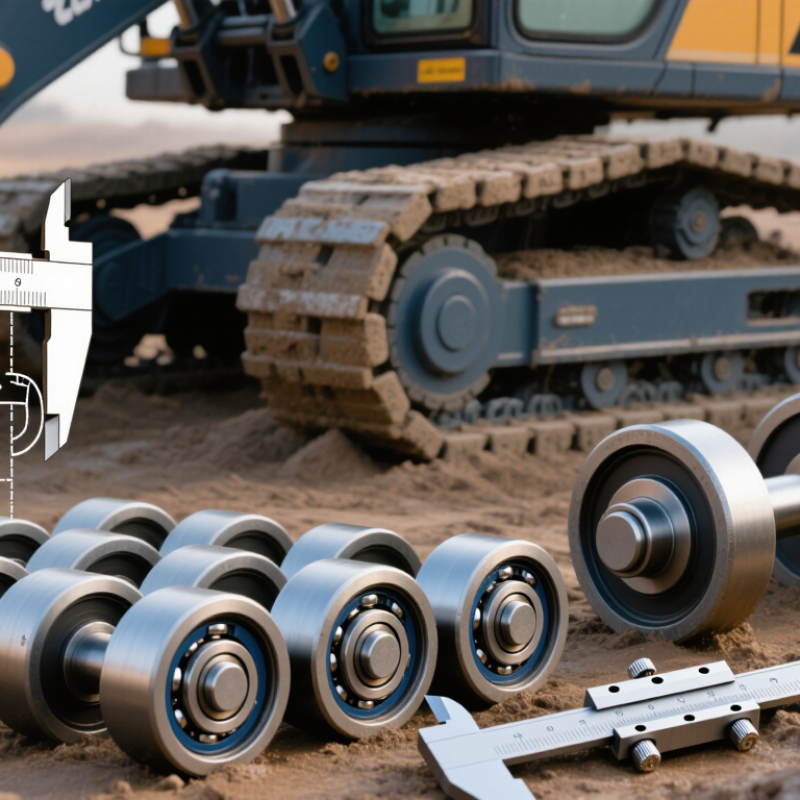
Compact Track Loader Track Rollers: Function, Types, and ISO 6165 Classes
2026 Best Compact Track Loader Track Rollers for Sale
Track rollers carry a compact track loader’s weight and guide its lower track chain. Their flanges help keep links aligned across uneven ground. Common designs include single-flange and double-flange rollers, while upper carrier rollers support the track’s return run. Sealed, lubricated assemblies can reduce routine service, but damaged seals still invite dirt and moisture. Small leaks matter.
ISO 6165:2012 defines basic earth-moving machine types, including crawler loaders; it does not set a universal compact track loader roller class or roller dimensions. That distinction matters when sourcing parts. Match the machine’s serial-specific parts data, roller position, outside diameter, width, shaft dimensions, and flange profile. A “fits this model” claim alone is not enough. Track tension and worn links can also shorten roller life, so replacing one roller may not solve the cause.
Tips: Measure the old roller before ordering. Check for oil traces, chipped flanges, rough rotation, and uneven wear. Compare measurements with the service manual and the supplier’s technical data sheet. ISO 6165 is a useful classification reference, not a replacement-parts catalog. I would not assume identical-looking rollers interchange; field wear can hide small but important differences.
Compact Track Loader Track Rollers: Diameter Conversion Reference
Exact inch-to-millimeter conversions for comparing roller measurements. These are unit conversions, not specifications for a particular track roller.
Track rollers support and guide the crawler track. Roller designs and dimensions vary by undercarriage. ISO 6165 classifies earth-moving machinery types; it does not define track-roller diameter classes. Check the machine’s specifications when selecting replacement rollers.
Check 4 Fitment Specs: Track Pitch, Roller Width, Mounting, and Flange
2026 Best Compact Track Loader Track Rollers for Sale
A roller can look correct and still fail to fit. Check four measurements before ordering: track pitch, roller width, mounting dimensions, and flange layout. Track pitch is the distance between matching points on adjacent links. Measure several links, then divide by the number of intervals. A small error can cause poor engagement. It adds up.
Roller width must suit the chain’s running surface, not merely the outside track width. Measure the roller’s contact face and compare it with the original part. Then verify mounting-bolt spacing, bolt size, and offset against the loader’s service information. Flange position matters, too: inner, outer, and double-flange designs guide the chain differently. A photo helps, but it cannot confirm dimensions.
ISO 16754:2008 describes a ground-pressure calculation using track shoe width and contact length. As an illustrative calculation, a 4,000-kilogram machine with 320-millimetre shoes and 1.3-metre contact length produces about 47 kilopascals, assuming equal load across both tracks. This is not a roller-fitment specification; it shows why track dimensions deserve careful checking. Record measurements in millimetres, inspect the old roller for uneven wear, and compare the mounting face before purchase. Field measurements can be imperfect, especially with packed mud. Clean the parts first.
Compare Single- and Double-Flange Rollers by Alignment and Load Support
2026 Best Compact Track Loader Track Rollers for Sale
When comparing compact track loader track rollers for sale, look beyond price and dimensions. Flange layout affects how the track stays aligned and how loads pass through the undercarriage. Single-flange rollers provide guidance on one side and may suit positions designed for alternating roller layouts. Double-flange rollers guide both sides of the track, which can help resist lateral movement under uneven loads. Fit matters. The right choice depends on the machine’s specified roller position, not a general rule.
On a sloped worksite, repeated side loading can make alignment especially important. Double-flange support may help keep the track centered, but it is not automatically better at every position. A mismatched layout can cause interference or uneven contact. Single-flange rollers may be appropriate where the original arrangement calls for them. Compare flange spacing, roller width, mounting dimensions, and load requirements against the service information for your loader. Check the wear pattern. A polished edge or uneven wear can point to alignment issues, though it may not reveal the cause by itself.
Tips: Measure before ordering. Photograph the installed roller and note its position. Check for rough rotation, loose hardware, and damaged seals. I have seen a clean-looking roller hide a worn contact surface; inspection can be imperfect, so verify measurements before replacing parts.
Assess 3 Wear Indicators: Seal Leakage, Tread Loss, and Bearing Play
2026 Best Compact Track Loader Track Rollers for Sale
Assess 3 Wear Indicators: Seal Leakage, Tread Loss, and Bearing Play
When comparing compact track loader track rollers for sale, check more than price and dimensions. Confirm the roller matches your machine’s undercarriage specifications, then inspect it for wear. Park on firm, level ground and follow the operator’s manual before examining the undercarriage. Small details matter.
Look around each seal for fresh oil, wet dirt, or a trail of grime. A dry film of old dirt alone may not indicate an active leak, so clean the area and check again. Inspect the tread surface for uneven wear, flat spots, deep grooves, or missing material. Compare rollers on the same side; one unusually worn roller can point to alignment or operating issues, not just age. It is easy to miss this when the machine is muddy.
With the machine secured, check for abnormal movement or roughness using the inspection method recommended by the manufacturer. Noticeable bearing play, grinding, or a wobble deserves prompt attention. A little uncertainty is normal during a visual check. If symptoms are unclear, have a qualified technician assess the assembly before ordering replacements. Keep measurements, photos, and machine hours together; they help confirm fit and make wear patterns easier to track.
2026 Buying Checks: Match Roller Dimensions and Ratings to OEM Data
Track roller selection starts with the machine’s exact model, serial range, and undercarriage configuration. Use the OEM parts information as the reference, not a listing photo or a similar-looking machine. Compare roller diameter, shell width, shaft diameter, flange spacing, and bolt pattern with the specified dimensions. A few millimeters can matter. Check whether the listed measurements describe the roller itself or its mounting points; sellers may present them differently.
Ratings need the same careful check. Confirm the OEM’s required load capacity and whether the figure refers to static or dynamic loading. These values are not interchangeable. Also verify operating weight and any application-specific guidance, since attachments and working conditions can change the load on the undercarriage. Inspect the old roller for uneven wear, but do not assume wear marks reveal its original dimensions. Measure where practical and record each result. This check is easy to rush, and confidence can outrun the evidence. Do not guess. If OEM data and a supplier’s specifications disagree, pause and ask for clarification before ordering. A roller may appear to fit and still have the wrong rating or mounting details.