2026 Guide to En1074 Butterfly Valve Selection and Sourcing?
In the world of industrial applications, the selection of butterfly valves is critical. The EN1074 Butterfly Valve is a key component in various systems. Understanding its features ensures that you choose the right valve for your needs.
This guide explores the nuances of EN1074 Butterfly Valve selection. It addresses material options, size considerations, and operational requirements. Many users overlook the importance of these factors. Making an informed decision will lead to better performance and longevity of the valve.
Sourcing these valves can be complex. Numerous manufacturers offer various options. Not all suppliers provide the same level of quality or support. It's essential to assess their reliability to avoid potential issues down the line. By focusing on trusted manufacturers, you can mitigate risks and enhance system efficiency.
Overview of EN 1074 Standards for Butterfly Valves in 2026
The EN 1074 standards serve as crucial guidelines for butterfly valves in various applications. These standards ensure reliability and safety in valve performance. Butterfly valves, based on these standards, are commonly used in water and wastewater management. They are favored for their simplicity and efficiency. Adhering to EN 1074 can improve operational reliability and reduce maintenance costs.
In 2026, understanding these standards becomes more important as industries evolve. The guidelines focus on design, testing, and material specifications. Each requirement aims to enhance the lifespan of valves. However, many users overlook specific aspects during selection. For instance, ensuring compatibility with fluid type can be challenging.
Material choice, such as corrosion resistance, must be carefully considered. Sometimes, there isn’t enough emphasis on long-term performance. Engaging with experts can provide insights, but it can be difficult to pinpoint genuine advice. A thorough understanding of EN 1074 can aid in making more informed decisions in sourcing butterfly valves.
Key Factors in Selecting Butterfly Valves for Various Applications
When selecting butterfly valves, several key factors play a significant role. The operating environment is crucial. Consider if the valve will be exposed to extreme temperatures or corrosive substances. Such conditions demand specific materials for durability. For example, stainless steel butterfly valves are effective in corrosive applications. The valve size is also important; an incorrect diameter can lead to reduced flow efficiency.
Application type dictates the valve design. Butterfly valves can be used in water treatment, HVAC systems, and more. Each application may require different features. Think about pressure ratings and control methods. Some scenarios need manual operation, while others benefit from automated systems. Each choice contributes to system performance.
Ease of maintenance cannot be overlooked. Regular checks and maintenance extend valve life. When sourcing, evaluate the availability of spare parts. A reliable supply chain ensures that repairs can be conducted swiftly. Consider the vendor’s reputation as well. Can they provide technical support? These factors build confidence in your selection.
2026 Guide to En1074 Butterfly Valve Selection and Sourcing
Comparative Analysis of Butterfly Valve Materials and Their Properties
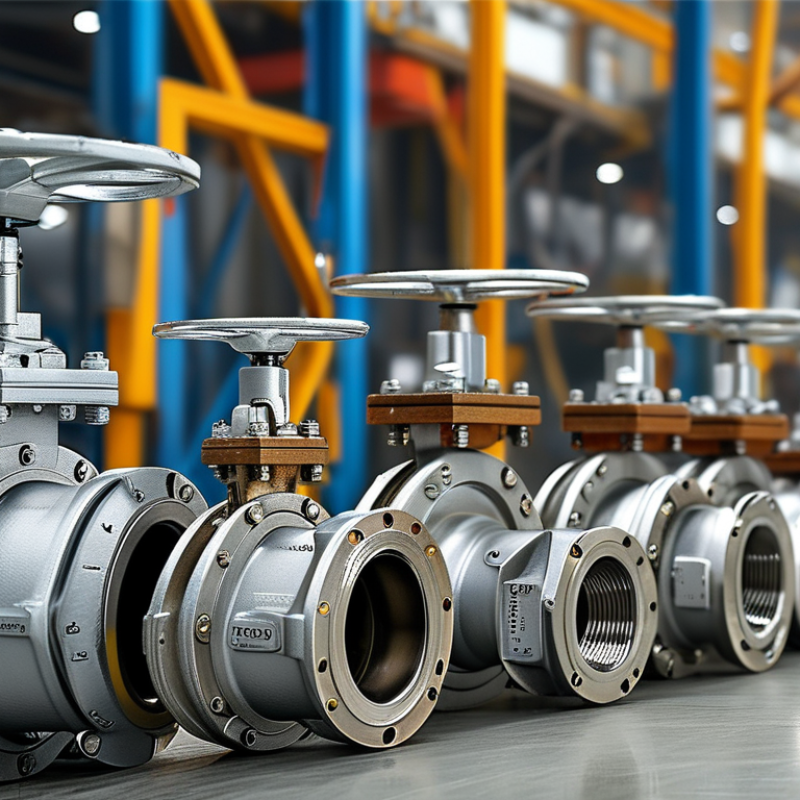
When selecting butterfly valves, material choice is crucial. Each material has distinct properties that affect performance. Common materials include cast iron, stainless steel, and PVC. [Image] Cast iron is strong and durable, ideal for high-pressure systems. Stainless steel offers corrosion resistance and works well in harsh environments. PVC is lightweight and cost-effective, suitable for chemical transportation.
Tip: Consider environmental factors when selecting materials. Temperature, pressure, and corrosive substances can all influence performance. Choose wisely to avoid unexpected failures.
It’s vital to understand the trade-offs between materials. For instance, while stainless steel is robust, it may be more expensive. PVC valves, despite being affordable, may lack durability in extreme conditions. Reflect on the specific application requirements before making a decision. Ensure that your choice aligns with long-term operational goals.
Tip: Regular maintenance is essential for all butterfly valves, regardless of material. Periodic inspections can prevent issues and enhance longevity. Don't overlook this step; it can save costs in the long run. Make informed decisions to achieve reliability and efficiency.
Guidelines for Sourcing Reliable Manufacturers of EN 1074 Butterfly Valves
When sourcing EN 1074 butterfly valves, identifying reliable manufacturers is crucial. Start by analyzing the manufacturer’s experience in producing these specific valves. An established company is more likely to demonstrate expertise and adherence to quality standards. Take the time to review their industry certifications. This reflects their commitment to delivering safe and efficient products.
In addition, ask for references from previous clients. They can provide insight into the manufacturer’s reliability and performance. It’s essential to have open communication with potential manufacturers. Discussing technical specifications and production capabilities can uncover strengths and weaknesses. Keep an eye on response times to gauge their customer service quality.
Consider the materials used in the valves. Reliable manufacturers should provide detailed information about component quality and sourcing practices. This transparency is often a sign of trustworthiness. Make sure to evaluate their warranties and after-sales support. It can be easy to overlook these aspects, but they are vital for long-term satisfaction. Ultimately, thorough research is key to sourcing the right EN 1074 butterfly valves for your needs.
Future Trends in Butterfly Valve Technology and Compliance Standards
The butterfly valve industry is evolving. New technologies aim to enhance efficiency and performance. Innovations in materials are one key trend. Lightweight composites are gaining traction. These materials resist corrosion and wear, increasing durability.
Compliance with new standards is critical. Regulatory bodies are updating requirements frequently. This ensures safety and environmental responsibility in valve manufacturing. Companies must stay informed of these changes. Understanding the implications for design and production is vital.
Tips: Always choose manufacturers who prioritize compliance. Look for certifications and test reports. Regularly review changes in industry standards. Engaging with experts can provide insights into best practices. Understanding current and future trends will enable better sourcing decisions. Butterfly valve selection should meet both performance and regulatory demands.
2026 Guide to En1074 Butterfly Valve Selection and Sourcing
| Criteria | Details |
| Material Type | PVC, Ductile Iron, Stainless Steel |
| Size Range | 2 inch to 48 inch |
| Pressure Rating | 150 PSI to 300 PSI |
| End Connection Type | Wafer, Lug, Flanged |
| Actuation Options | Manual, Electric, Pneumatic |
| Standards Compliance | EN 1074, ISO 9001 |
| Future Trends | Smart Valves, IoT Integration, Eco-Friendly Materials |