2026 Top Smart Socket Trends for Global Buyers to Consider?
As the demand for innovative home automation solutions grows, understanding the latest trends in Smart Socket technology becomes essential. According to a recent report by MarketsandMarkets, the global smart socket market is projected to reach $9.0 billion by 2026, with a compound annual growth rate (CAGR) of 24.62%. This rapid growth emphasizes the increasing importance of energy efficiency and convenience for consumers.
Smart Sockets are not just mere gadgets; they connect our daily lives to the Internet of Things (IoT). Users can control appliances remotely, conserving energy and enhancing safety. However, the surge in popularity raises concerns about security vulnerabilities. A report by Gartner highlighted that 30% of smart home devices will suffer data breaches by 2025, prompting buyers to reflect on device security when selecting Smart Sockets.
The capabilities of Smart Sockets continuously evolve. Features such as voice control, energy monitoring, and compatibility with smart home ecosystems shape consumer preferences. Yet, buyers must navigate an overwhelming array of options. It’s vital to consider performance, reliability, and brand reputation while making informed decisions. In this dynamic landscape, staying updated with trends ensures smarter choices for the future.
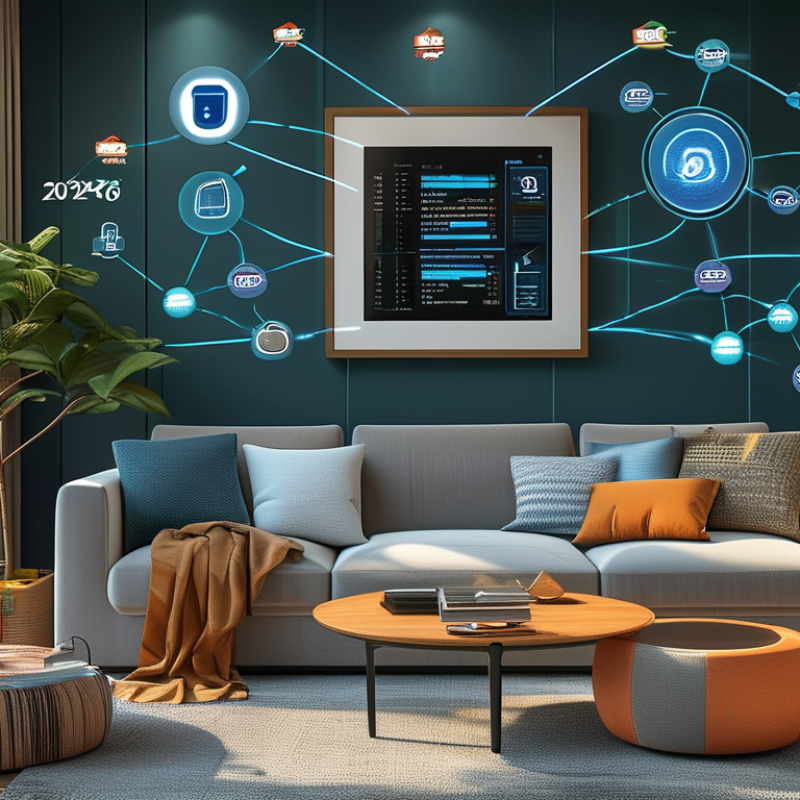
Emerging Technologies in Smart Socket Design for 2026
Emerging technologies in smart socket design for 2026 highlight the fusion of efficiency and user experience. According to a recent industry report, the global smart socket market is expected to grow at a CAGR of 26.3% between 2023 and 2028. This growth reflects a shift towards smart home technology, driven by rising energy costs and a heightened focus on sustainability.
One significant trend is the integration of AI capabilities. Smart sockets can learn user behavior and optimize power consumption accordingly. For instance, they may detect when devices are inactive and cut off power to reduce waste. Additionally, voice control compatibility with virtual assistants is becoming standard. However, the challenge remains in ensuring robust security measures to protect user data.
Another important aspect is the development of energy monitoring features. Consumers increasingly seek devices that can provide real-time analytics of energy use. These features not only promote energy savings but also encourage eco-friendly habits among users. Despite the advancements, there are concerns. Some users report difficulty in setup and integration with existing devices. The industry must prioritize user-friendly designs and robust support systems to address these gaps.
Key Features Global Buyers Should Look for in Smart Sockets
In 2026, smart sockets continue to evolve, offering various features that global buyers should consider. One key aspect is energy monitoring. Being able to track energy usage helps in reducing bills and improving efficiency. Look for sockets that provide real-time data on power consumption. This transparency can lead to informed energy choices.
Another important feature is compatibility with smart home ecosystems. Smart sockets should seamlessly integrate with popular smart home devices. This integration allows for automated control and enhances user convenience. However, not all sockets play well with different systems. Buyers need to research compatibility to avoid future frustrations.
Tips: Assess the ease of use. A complicated interface can be a barrier. Opt for sockets with user-friendly apps. Consider safety standards as well. Smart sockets should have safety certifications to ensure reliability. These features not only enhance functionality but also contribute to long-term satisfaction.
Sustainability Trends Impacting Smart Socket Manufacturing
Sustainability is reshaping smart socket manufacturing. As awareness of environmental impact grows, manufacturers focus on eco-friendly materials. Innovations like recycled plastics and energy-efficient designs are becoming standard. This shift not only appeals to eco-conscious consumers but also meets regulatory demands.
Smart sockets now utilize renewable energy sources, reducing carbon footprints in households. Many devices can monitor energy usage, allowing users to optimize consumption. This feature encourages mindful energy habits, contributing to overall sustainability goals.
Tips: Look for products with certifications in eco-friendliness. These indicators can provide insight into a product's environmental impact. Regularly update your smart devices to take advantage of energy-saving features. Small changes can lead to significant benefits. Embracing these trends can enhance both functionality and sustainability in your home.
Consumer Preferences Shaping the Future of Smart Socket Market
The future of the smart socket market is heavily influenced by consumer preferences. As smart home technology continues to evolve, users seek versatility and reliability. They want sockets that accommodate various devices like smartphones, laptops, and smart appliances. User-friendly interfaces are crucial. Consumers favor sockets that integrate seamlessly with their existing home systems.
Another preference is energy efficiency. Many buyers are increasingly conscious of their energy consumption. They desire smart sockets that monitor usage and help reduce waste. A well-designed app for tracking energy consumption is a strong selling point. Users also appreciate features that enable remote control of devices, bringing significant convenience.
However, not all innovations are meeting expectations. Some smart sockets fail to connect reliably, leading to frustration. Others lack the features consumers look for, such as robust security measures. Manufacturers must listen to feedback to improve their offerings. Balancing advanced technology with user needs will be essential for success in this evolving market.
Regional Variations in Smart Socket Adoption Across Global Markets
Smart sockets are revolutionizing home automation worldwide. However, regional differences in adoption illustrate varied consumer preferences. In Europe, for example, energy efficiency drives the demand for smart sockets. Many households look for devices that monitor energy consumption closely. Users often seek to cut costs while enhancing their environmental responsibility.
In contrast, North America shows a distinct trend. Convenience and seamless integration with other smart devices are prioritized. Users want easy-to-use interfaces and compatibility with voice assistants. Many Americans are drawn to technology that simplifies daily routines. Still, some consumers express skepticism regarding privacy and data security.
In Asia, cultural factors influence adoption rates. Countries like Japan embrace advanced technology, while others may prioritize traditional electrical systems. Users in developing regions often face challenges like limited internet access and affordability. These factors slow the smart socket market's growth. Understanding unique regional demands is essential for businesses aiming to succeed in the global market.