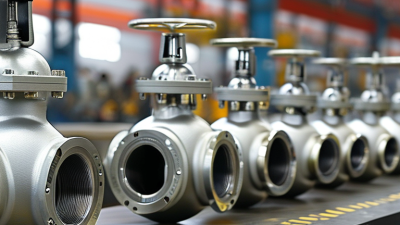
Choosing the right triple offset butterfly valve in 2026 requires more than comparing catalogue prices. Buyers must examine pressure ratings, temperature limits, sealing materials, body construction, and verified operating performance. A valve that works reliably in clean water may fail in hot steam, corrosive chemicals, or abrasive process media. Small details matter, such as disc clearance, seat contact, actuator torque, and flange alignment.
This guide introduces the main triple offset butterfly valve types buyers should evaluate for industrial pipelines, power facilities, refineries, marine systems, and demanding process plants. It considers metal-seated, resilient-seated, wafer, lug, and flanged configurations. Each type serves a different installation need. Metal seats generally support higher temperatures and stronger fire resistance, while resilient materials may provide smoother sealing in less severe services. Not every supplier explains these differences clearly.
Look closely.
Practical selection also depends on maintenance access, spare-part availability, testing records, and supplier engineering support. Experienced purchasing teams should request material certificates, pressure-test documentation, emissions data, and clear actuator specifications. Product images can be useful, but they cannot confirm internal quality. Field experience often reveals problems that brochures omit, including difficult installation, excessive torque, or premature seat wear.
No buying guide is perfect. Actual media conditions can change the decision. Therefore, this overview should support, not replace, a project-specific engineering review. The strongest choice balances safety, service life, operating cost, and dependable technical evidence. That balance matters more than choosing the most advanced-looking valve.
2026 Top Triple Offset Butterfly Valve Types Buyers Need
What Is a Triple Offset Butterfly Valve?
A triple offset butterfly valve is a quarter-turn valve designed for demanding flow-control service. Its disc rotates away from the sealing surface, reducing rubbing during opening and closing. This geometry creates a cam-like movement. The seal disengages quickly.
The three offsets define its operating behavior. The first offset moves the shaft behind the disc centerline. The second shifts the shaft away from the pipeline centerline. The third offset forms a conical sealing surface around the disc. Together, these features support bubble-tight shutoff, lower wear, and reliable performance in high-temperature applications. Many designs use metal seats, making them suitable for steam, hydrocarbons, gases, and abrasive industrial fluids. Yet, no valve is perfect. Poor sizing, misaligned piping, or unsuitable seat materials can still cause leakage.
Tips: Check the pressure class, temperature range, media composition, and required shutoff level before purchasing. Compare wafer, lug, and flanged connections with your existing piping. A field technician should verify disc clearance, actuator torque, and installation direction. Do not select by diameter alone. That shortcut often creates costly problems. Allow for maintenance access, too.
Triple offset butterfly valves control flow through a carefully engineered disc movement. The disc rotates around a shaft, but not on the pipe’s centerline. Two offsets shift the shaft away from the disc center and sealing centerline. The third offset forms a conical sealing surface around the seat. This geometry matters. As the disc opens, it quickly moves away from the seat instead of sliding against it. Friction drops sharply. Seat wear can also decrease during repeated cycling.
When the valve closes, the disc enters the conical seat at a controlled angle. Metal-to-metal contact then creates a strong seal around the full circumference. Line pressure can push the disc into the seat and improve shutoff performance. The design is useful for hot water, steam, hydrocarbons, and other demanding services. However, pressure, temperature, corrosion, and fluid cleanliness must match the valve’s construction. A suitable body material cannot compensate for an unsuitable seat alloy.
Buyers often compare wafer, lug, and flanged configurations. The connection style affects installation, maintenance access, and pipeline weight. Manual, pneumatic, and electric actuators provide different control speeds and operating feedback. In field inspections, incorrect torque settings remain a practical concern. Excessive force may damage components, while insufficient force may prevent reliable closure. It is easy to oversell low maintenance. Poor alignment, thermal expansion, or abrasive particles can still shorten service life. The best selection begins with actual operating data, not only the nominal pipe size.
Triple offset butterfly valves are commonly grouped by body connection, seat design, and operating direction. Buyers should compare these types against pipeline access, pressure class, temperature, and maintenance needs.
Wafer triple offset valves fit between two flanges and offer a compact, economical installation. They suit space-limited systems, but accurate flange alignment remains essential. Lug-style valves use threaded lugs for stronger support and easier section isolation. They work well where one pipe side may need removal. Double-flanged valves provide rigid connection for larger pipelines, demanding better lifting equipment and carefully controlled bolt tightening. Butt-weld types create a permanent, low-leakage joint. They suit critical process lines, though replacement becomes more difficult.
Metal-seated designs are standard for high-temperature service, steam, hydrocarbons, and abrasive media. Their conical seat geometry reduces rubbing during operation, which can extend service life. Bidirectional versions support flow control from either direction, but buyers must verify the certified leakage rating. During inspection, check shaft alignment, disc clearance, seat surface finish, and actuator torque. Small defects matter.
A frequent mistake is selecting by diameter alone. A large valve with insufficient torque can stall under pressure. Material compatibility also deserves closer review, especially with corrosive fluids. Field conditions are rarely perfect; vibration, thermal cycling, and installation errors can change performance. Therefore, request pressure-temperature data, test records, cycle-life information, and clear maintenance instructions before approving the valve.
| Valve Type | Defining Configuration | Typical Service | Key Advantages | Important Buyer Checks |
|---|---|---|---|---|
| Wafer Triple Offset Butterfly Valve | Compact body installed between mating pipe flanges; uses the three-offset disc and shaft geometry. | General process isolation, water treatment, utility systems, and space-limited installations. | Low weight, short face-to-face length, and reduced installation space. | Confirm flange alignment, bolt-hole clearance, disc swing clearance, and allowable pressure class. |
| Lug Triple Offset Butterfly Valve | Threaded or tapped lugs allow independent bolting to each flange and can support end-of-line installation when properly rated. | Process isolation, tank outlets, maintenance sections, and systems requiring easier equipment removal. | Better positional support than a basic wafer design and convenient sectional maintenance. | Check whether the design is approved for dead-end service and verify the lug material and bolt capacity. |
| Double-Flanged Triple Offset Butterfly Valve | Valve body has integral flanges on both sides and is bolted between adjacent pipe flanges. | Large-diameter pipelines, high-pressure isolation, and applications requiring rigid body support. | High structural rigidity, stable alignment, and suitability for larger sizes. | Review face-to-face dimensions, flange drilling, lifting requirements, and pipeline support loads. |
| Weld-End Triple Offset Butterfly Valve | Valve ends are prepared for direct welding into the pipeline, creating a permanent connection. | High-integrity process lines, hazardous fluid systems, and installations where flange leakage must be minimized. | No flange gasket joint at the valve ends and a compact, continuous pipeline connection. | Confirm weld procedure requirements, post-weld treatment, valve orientation, and access for maintenance. |
| Metal-Seated Triple Offset Butterfly Valve | Uses a metallic seat and seal ring with a conical sealing geometry; the disc lifts away from the seat during opening. | High-temperature steam, hot gas, hydrocarbons, and abrasive or demanding process media. | Reduced rubbing at the seat, strong thermal capability, and good resistance to wear when correctly specified. | Specify temperature, pressure, leakage class, corrosion allowance, seat material, and media compatibility. |
| Laminated Metal-Seated Triple Offset Valve | Seal ring is formed from layers of metal combined with a flexible graphite or other approved sealing layer. | Steam, thermal oil, chemical processing, and services requiring improved conformability. | Combines metallic structural support with improved sealing adaptation to minor surface irregularities. | Check the laminate construction, maximum temperature, fire-safe requirements, and chemical compatibility. |
| Cryogenic Triple Offset Butterfly Valve | Specially engineered for very low temperatures, often with an extended bonnet or stem arrangement to protect the actuator and packing. | Liquefied gases, low-temperature gas processing, and cryogenic storage or transfer lines. | Suitable for low-temperature service while maintaining non-rubbing metal sealing action. | Verify minimum design temperature, material impact testing, bonnet length, insulation clearance, and leakage testing. |
| Fire-Safe Triple Offset Butterfly Valve | Designed and tested to maintain controlled external and seat leakage after exposure to fire conditions, subject to the applicable standard. | Hydrocarbon processing, fuel systems, petrochemical plants, and other fire-risk services. | Supports fire-risk control and commonly uses metal-based sealing components. | Request documented fire testing, applicable certification, packing details, and post-fire leakage criteria. |
| High-Pressure Triple Offset Butterfly Valve | Heavy-duty body, disc, shaft, seat, and bearing arrangement selected for elevated pressure classes. | Pipeline isolation, power generation, steam systems, and demanding process services. | Lower operating friction than many conventional designs and efficient flow area compared with some valve types. | Check pressure-temperature ratings, shaft torque, actuator safety factor, body stress, and applicable testing standards. |
| Control-Service Triple Offset Butterfly Valve | Configured with an actuator and positioner for throttling, modulating flow, or pressure control rather than isolation only. | Steam, gas, combustion air, cooling systems, and large-diameter process flow control. | High flow capacity, compact installation, and reduced seat wear during normal movement. | Evaluate cavitation, noise, operating range, dynamic torque, control accuracy, and actuator response time. |
Buyer note: Triple offset butterfly valves are generally selected by combining body style, end connection, sealing construction, temperature range, pressure class, media compatibility, and actuation requirements. Final selection should be confirmed against the applicable piping code, valve standard, and project specifications.
2026 Top Triple Offset Butterfly Valve Types Buyers Need
Key Materials, Designs, and Pressure Ratings
Triple offset butterfly valves suit demanding isolation duties where tight shutoff and low operating torque matter. Their cam action moves the disc away from the seat, reducing rubbing during opening. This design can protect sealing surfaces in high-temperature pipelines. Buyers should check whether the body uses carbon steel, stainless steel, duplex steel, or a nickel alloy. Each material handles corrosion, temperature, and mechanical stress differently. Carbon steel may fit dry, non-corrosive service. Stainless steel offers stronger resistance in wet or chemical environments. Duplex steel can provide useful strength in chloride-rich systems.
Seat construction deserves close attention. Most triple offset valves use metal sealing surfaces, often with graphite components for elevated temperatures. A laminated seat may tolerate repeated thermal cycling better than a soft seat. However, the wrong surface finish can still cause leakage. Small details matter. Disc thickness, shaft support, and packing design affect service life. I have seen specifications focus heavily on the body material while overlooking stem compatibility. That shortcut can create maintenance problems later.
Pressure ratings must match both line pressure and temperature. Common classifications include Class 150, 300, and 600, but the allowable pressure usually decreases as temperature rises. Buyers should compare the pressure-temperature chart, not only the class number. End connections, testing requirements, and applicable standards also need verification. A valve rated for isolation may not suit throttling service. That distinction is easy to miss. Leave a realistic safety margin, while avoiding unnecessary oversizing that increases cost and operating torque.
This chart compares common triple offset butterfly valve connection designs by their representative upper ASME pressure class. Wafer and lug designs are widely used for Class 150–300 service, double-flanged designs commonly extend to Class 600, and welded-end designs are selected for higher-pressure systems up to Class 1500.
Typical material selections include carbon steel bodies for general industrial service, stainless steel for corrosive or oxidizing media, and duplex stainless steel for high chloride resistance. Actual pressure-temperature ratings depend on valve size, body and trim materials, temperature, sealing design, and the applicable standard.
2026 Top Triple Offset Butterfly Valve Types Buyers Need
Choosing the right triple offset butterfly valve starts with service conditions, not catalog popularity. Its cam-action disc reduces seat rubbing and supports reliable shutoff during demanding cycles. For steam, hot oil, or corrosive gas, verify pressure, temperature, media compatibility, leakage class, and emissions requirements. Small details matter.
Wafer valves suit compact, lightweight installations between flanges. Lug valves allow more flexible maintenance and may support dead-end service when properly rated. Double-flanged valves provide strong alignment for larger pipelines, but they require more space and lifting capacity. Weld-end designs offer permanent connections, although replacement becomes more disruptive. Seat construction also matters. Laminated metal seats may balance sealing and durability, while solid metal seats can suit harsher thermal conditions. Do not assume either option fits every medium.
A practical buying review should examine flange standards, actuator torque, fire-safe requirements, testing records, and available spare parts. Field problems often come from incorrect torque calculations or unsupported pipe loads, not valve failure. Buyers should request material certificates and pressure-test evidence from qualified suppliers. One imperfect habit remains common: selecting by diameter alone. A 300-millimeter valve can still be unsuitable if its pressure class, disc clearance, or operating temperature is wrong. Recheck the datasheet against the actual pipeline layout before approval.
Join our mailing list to receive the latest news and updates from our team.