2026 Top TRV Radiator Types for Global Buyers?
In 2026, choosing the right Trv Radiator requires more than comparing prices or polished product photos. Global buyers must assess heating performance, valve compatibility, materials, operating pressure, and local installation conditions. A slim steel panel radiator may suit a compact apartment, while a cast iron column model can better match a renovation project. Towel radiators add comfort in bathrooms, but their output may disappoint in poorly insulated rooms.
Real projects reveal important differences. Pipe position, water temperature, room size, and wall strength can change the final result. A qualified installer should check these details before ordering. Product datasheets, pressure tests, corrosion information, and verified thermal output deserve careful attention. EN 215 compliance can support valve reliability, but buyers should still confirm regional requirements and certification documents.
No single model wins everywhere. That matters.
This guide compares leading Trv Radiator types for distributors, contractors, developers, and homeowners entering the 2026 market. It considers practical installation, maintenance, energy control, and long-term value rather than appearance alone. Some conclusions remain conditional because climate, fuel costs, and building standards vary widely. Even experienced buyers can overlook valve orientation or radiator depth. A careful review can prevent expensive returns, uneven heating, and uncomfortable rooms. The goal is not to promote one universal solution, but to identify dependable choices for different buildings, climates, budgets, and supply chains.
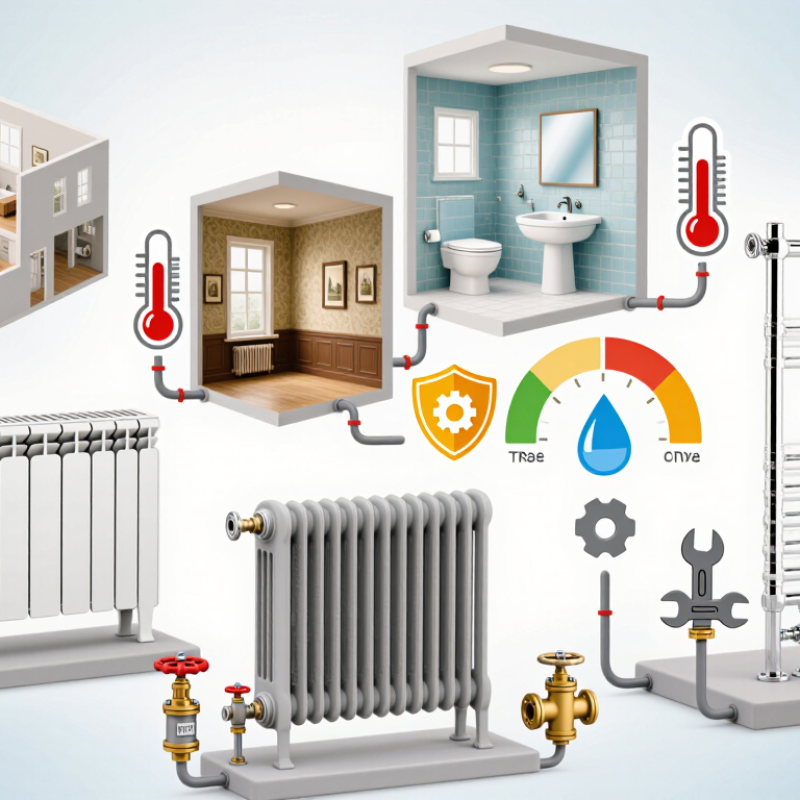
What Is a TRV Radiator and How Does It Work?
A thermostatic radiator valve (TRV) controls room heat at each radiator. Unlike a simple manual valve, it responds to surrounding air temperature. Inside the TRV head, a sensor expands as the room warms. This movement pushes a small pin in the valve body. Water flow then reduces, so the radiator gives off less heat. When the room cools, the sensor contracts and opens the valve again. It is a quiet, automatic adjustment.
Most TRVs use numbered settings, commonly from frost protection to a high heat level. The numbers are not exact temperatures. In many rooms, a middle setting may feel comfortable, but insulation, sunlight, curtains, and furniture change the result. A radiator behind a sofa may heat the room unevenly. Keep the sensor exposed to room air. Do not cover it with thick curtains or place furniture tightly around it. That small installation detail often matters more than buyers expect.
For global buyers, compatibility requires checking the valve connection, pipe layout, radiator position, and local heating system. A TRV designed for a two-pipe system may not suit every installation. Professional installers should verify flow direction and balancing before replacement. In older buildings, a stuck pin or dirty valve can imitate a faulty thermostat. This is where practical inspection beats guesswork. The control may also need adjustment after seasonal changes. I have found that “set and forget” is not always reliable; rooms and occupants behave differently. Good performance comes from correct fitting, sensible settings, and occasional checking.
How Do Global Buyers Compare TRV Radiator Features?
Global buyers compare TRV radiator features by matching control performance with local heating conditions. The IEA reports that buildings use about 30% of global final energy, making accurate room control commercially important. A TRV with a liquid sensor usually reacts steadily, while gas sensors often respond faster. Buyers should check temperature range, response time, frost protection, and anti-tamper settings.
Valve compatibility matters more than appearance. Confirm the connection size, body orientation, flow direction, and radiator output before ordering. EN 215 provides a useful reference for thermostatic radiator valve performance and testing. For larger projects, installers should also review noise levels, pressure loss, and sensor placement. A remote sensor can improve readings when curtains or furniture block the radiator head. Smart versions may add schedules and open-window detection, but they need reliable power and compatible controls. I would not assume “smart” always means better.
Tips: Request test data, not only catalogue claims. Compare rated control accuracy, warranty terms, spare-part availability, and installation instructions. Check performance around a real radiator, such as a bedroom unit behind a thick curtain. IEA data can guide energy priorities, but it cannot replace site testing. That limitation is easy to overlook. A cheaper TRV may fit today, yet create maintenance problems later.
What Standards and Compatibility Factors Matter Internationally?
2026 Top TRV Radiator Types for Global Buyers?
Thermostatic radiator valves differ by body shape, sensing method, and connection design. Straight, angled, corner, and remote-sensor types suit different pipe layouts. A remote sensor can improve control when curtains cover the radiator. Compact angled valves often fit tight spaces, but their flow direction must match the installation. It sounds simple. It is not.
International buyers should check EN 215 performance requirements and the destination market’s conformity rules. A familiar certificate may not replace local documentation. Connection threads require special attention. G or BSP threads do not automatically match NPT threads, even when sizes appear similar. Many actuators use M30 x 1.5 interfaces, but this dimension is not universal. Confirm the valve body, actuator, adapter, and radiator inlet as one system.
Compatibility also depends on the heating circuit. Two-pipe systems usually need standard regulating valves, while one-pipe systems may require bypass arrangements. Check maximum pressure, operating temperature, glycol compatibility, and permitted water quality. Installation guides should show flow arrows and tested orientation. In project reviews, incorrect assumptions about thread standards cause avoidable delays. A practical improvement is requesting dimensional drawings, test reports, material details, and sample fittings before ordering. Some published data still lacks real installation context, so buyers should question it.
How Should Buyers Select, Install, and Maintain TRV Radiators?
Selecting a TRV radiator begins with the room, not the catalogue. Measure heat loss, wall space, pipe position, and window exposure before choosing output. A larger room may need two moderate radiators instead of one oversized unit. Check the valve connection and system pressure carefully. Compatibility problems are common.
During installation, place the TRV sensor where air can circulate freely. Avoid covering it with curtains, furniture, or a radiator cover. Keep the radiator level, secure, and fully supported by suitable brackets. Flush dirty pipework when necessary, then bleed trapped air after filling the system. The top should feel evenly warm.
Small details matter.
Set living areas near 19–21°C, bedrooms slightly cooler, and unused rooms above the safe minimum. Do not turn the dial repeatedly when the room feels slow to warm. Wait, observe, and adjust gradually. Clean dust from the fins and check for leaks each season. A simple inspection can reveal a loose connection or a sticking valve.
My field experience suggests that many comfort complaints come from poor balancing, not faulty radiators. Still, this is not universal. Insulation, boiler controls, room use, and weather can change results. If one radiator stays cold while others heat normally, seek a qualified heating professional. Never force a seized valve or dismantle a pressurised system. Record settings and maintenance dates, because memory is unreliable.