2026 Best Acrylic Jar With Lid for Bulk Buyers
Choosing the 2026 best Acrylic Jar With Lid requires more than comparing clear walls and attractive prices. Bulk buyers need dependable protection, repeatable quality, and practical shipping performance. A jar may look premium on a sample table, yet fail when stacked in a hot warehouse. Small details matter. Check wall thickness, lid fit, thread accuracy, gasket quality, and resistance to cracking. The best option should also suit creams, powders, beads, bath products, or other approved contents without creating compatibility problems.
Packaging consultant Lisa McTigue Pierce describes packaging as “the silent salesperson.” Her observation fits the Acrylic Jar With Lid market closely. Clear acrylic displays color and texture immediately. A smooth lid improves handling. A wide mouth makes filling and cleaning easier. Still, appearance cannot replace testing. Request production samples, closure-torque data, drop-test results, and material documentation before approving a large order.
This guide focuses on evidence that bulk purchasers can use. It compares capacity, dimensions, closure styles, customization, minimum order quantities, and supplier communication. Reliable suppliers should explain acrylic grade, molding tolerances, packaging methods, and inspection procedures clearly. Ask how many jars fit in each carton. Measure the empty carton yourself. It sounds basic, but overlooked shipping space can damage margins.
No jar wins every application. Acrylic can scratch, and some formulas may require different materials. That limitation deserves attention. Recommendations may also change as suppliers update molds or finishes. A careful buyer should verify every specification before placing a 2026 purchase order. Better decisions begin with samples, written requirements, and honest testing.
What Is an Acrylic Jar With Lid?
2026 Best Acrylic Jar With Lid for Bulk Buyers
What Is an Acrylic Jar With Lid?
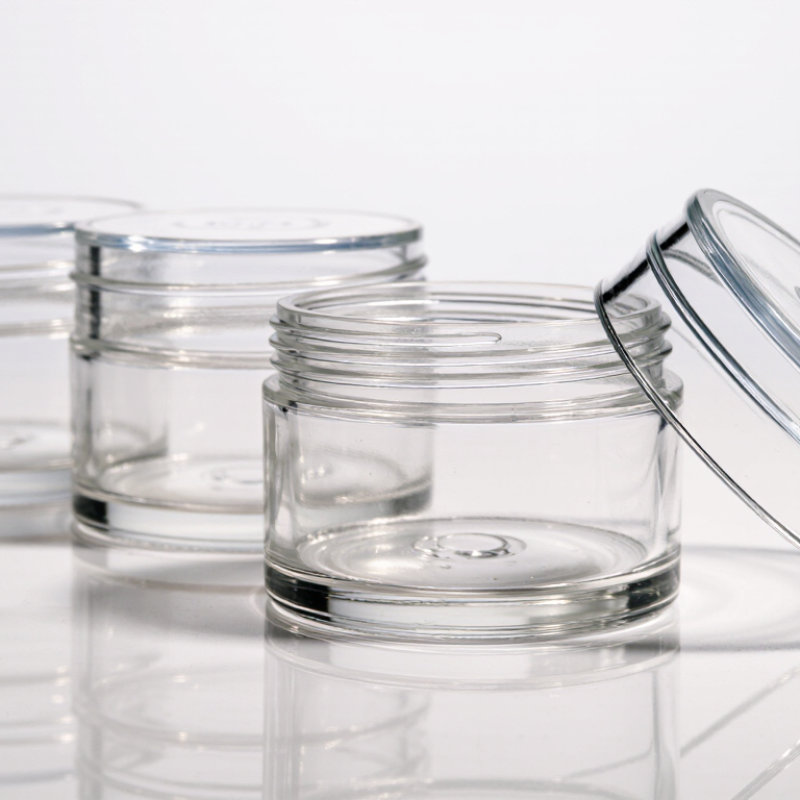
An acrylic jar with lid is a rigid container made from polymethyl methacrylate, commonly called PMMA. It resembles glass, but weighs less and resists ordinary impact better. The clear body displays creams, powders, beads, samples, or dry goods without opening the package. A fitted lid protects contents from dust and reduces handling during storage.
For bulk buyers, the lid matters as much as the jar. Check thread accuracy, closure torque, gasket fit, wall thickness, and neck diameter. A lid that feels tight in a sample may loosen during pallet transport. I have seen attractive containers fail because their closures were tested only by hand. That mistake is easy to repeat.
Industry data supports careful material selection. PlasticsEurope reported that packaging represented 39.5% of European plastics demand in 2022. The OECD’s Global Plastics Outlook also identifies packaging as roughly 40% of global plastic waste. These figures make durability, reusability, and material efficiency practical purchasing concerns, not decorative claims. Acrylic offers strong visual clarity, but it can scratch and may crack under severe stress. It is not indestructible. Buyers should request production samples, dimensional tolerances, drop-test results, and migration documentation when contents require it. Color matching can also change between batches, especially with tinted acrylic. A small imperfection in this advice remains: real performance depends on the closure design, filling process, and transport conditions.
Key Features to Evaluate for Bulk Purchasing
2026 Best Acrylic Jar With Lid for Bulk Buyers
Bulk purchasing requires more than comparing unit prices. Grand View Research valued the global cosmetic packaging market at approximately US$32.9 billion in 2023. Smithers projects the wider packaging market to exceed US$1.2 trillion by 2028. These figures show strong demand, but they also increase quality risks.
Acrylic jars should have consistent wall thickness, clear surfaces, and stable lids. Check thread alignment across random cartons, not only one sample. A loose lid can cause leakage, dust entry, and costly returns. Request compatibility testing with your formula, especially when it contains oils, alcohol, or active ingredients. Acrylic is durable, but it is not automatically the best choice. Some formulas may cause clouding or stress cracks. ASTM D4169 shipping tests can help assess carton performance during transport. Also compare jar weight, nesting efficiency, inner seals, and pallet dimensions. Small differences become significant at container volume.
Tips: Ask for production samples, inspection records, and a written tolerance sheet. Test at least 30 units from different cartons. Record closure torque, visual defects, and fill accuracy. Sustainability deserves careful review too. A 2024 packaging survey by McKinsey found that consumers increasingly value recyclable and lower-material formats, yet “recyclable” claims still require local verification. Choose clear material documentation, avoid vague claims, and confirm whether the lid and jar can be separated for recycling. This step may feel slow, but rushed approval creates bigger problems.
Best Acrylic Jar Types for Different Product Applications
For bulk buyers, acrylic jars should match the product before they match the budget. Creams and balms need wide-mouth jars with smooth inner walls. This design supports clean filling and easier consumer access. Powder products need tighter lids and controlled threads to reduce leakage during transport. For premium skincare, clear acrylic creates a glass-like appearance with lower breakage risk. However, it can scratch more easily than glass. That detail is easy to overlook.
Smithers’ packaging outlook reports continued growth in plastic packaging demand, driven partly by convenience and lightweight distribution. Grand View Research also identifies cosmetic packaging as a growing market, with jars remaining common for creams, masks, and gels. These findings support acrylic for high-volume personal-care lines, but they do not make every acrylic jar suitable. Buyers should request compatibility testing with oils, alcohol-based ingredients, fragrances, and active formulas. A beautiful sample can still fail after weeks of contact.
For travel-size products, smaller acrylic jars with secure inner seals can reduce spills and improve shelf organization. For salon or professional-use products, thicker walls and larger openings make repeated handling easier. Refillable applications may require threaded components that tolerate repeated opening and closing. Test them. Packaging Machinery Manufacturers Institute reports that packaging automation depends heavily on consistent dimensions and reliable closures. Bulk buyers should therefore inspect neck size, lid torque, wall thickness, and fill-volume tolerance before approving production. Acrylic is useful, not flawless.
How to Choose Sizes, Shapes, and Lid Styles
When buying acrylic jars in bulk, start with the product volume, not the outside appearance. A 30 ml jar may suit samples, while 100 ml or 250 ml sizes work better for regular use. Measure the filling tool and leave a small headspace. Overfilled jars can soil the lid threads. Small details matter.
Shape affects storage, labeling, and shipping efficiency. Round jars are easy to fill and clean, while square jars use shelf space more effectively. Low, wide jars offer easier access for thick creams or craft materials. Tall jars may look elegant but can become unstable on narrow shelves. During packaging checks, I compare actual interior capacity with supplier measurements. They are not always identical. Request physical samples before approving a large order.
Lid style should match opening frequency and leakage risk. Screw lids provide a firm closure and suit repeated use. Snap-on lids open quickly, but their fit must be tested after repeated cycles. Disc-top or flip lids can improve convenience, though they may require compatible jar necks. Check gasket quality, thread alignment, and resistance to oil or moisture. Clear acrylic also reveals scratches, fingerprints, and product color changes. I once selected a beautiful shape that wasted carton space, increasing shipping costs. That mistake changed my process: test stacking, label placement, drop resistance, and closure performance together. Bulk pricing is useful, but consistent quality is more important.
2026 Best Acrylic Jar With Lid for Bulk Buyers - How to Choose Sizes, Shapes, and Lid Styles
| Jar Format | Nominal Capacity | Typical Outer Size
(Diameter × Height) | Opening
Diameter | Shape | Recommended Lid Style | Typical Applications | Bulk-Buying Considerations |
| Mini Sample Jar | 15–30 mL | 30–38 × 25–35 mm | 24–30 mm | Round, low-profile | Push-on or screw-on lid | Samples, creams, balms, craft items | Efficient for promotional kits; verify fill volume after allowing headspace. |
| Compact Cosmetic Jar | 50 mL | 45–55 × 35–45 mm | 38–45 mm | Round | Threaded screw lid with liner | Face cream, eye cream, solid perfume | A common small-pack format; choose a liner when leakage resistance is important. |
| Standard Cosmetic Jar | 100 mL | 55–65 × 45–60 mm | 45–55 mm | Round or straight-sided | Screw lid with inner sealing disc | Skincare, hair masks, body scrubs | Balances shelf presence, usable volume, and carton utilization. |
| Wide-Mouth Utility Jar | 200 mL | 70–80 × 55–70 mm | 58–70 mm | Wide round | Deep screw lid or snap-fit lid | Bath salts, scrubs, powders, accessories | The wide opening improves filling and product access but uses more shelf space. |
| Medium Rectangular Jar | 250 mL | 70–85 × 55–75 × 55–75 mm | 50–65 mm | Square or rectangular | Flat screw lid or hinged lid | Gift sets, dry goods, display products | Straight walls support label placement and generally improve carton packing efficiency. |
| Large Storage Jar | 500 mL | 85–105 × 75–105 mm | 65–85 mm | Round or square | Heavy-duty screw lid with liner | Retail refill packs, bath products, craft storage | Confirm wall thickness and drop-test requirements because larger jars experience higher impact loads. |
| Extra-Large Display Jar | 750–1,000 mL | 100–125 × 95–140 mm | 75–100 mm | Wide round or square | Oversized screw lid or removable top | Point-of-sale displays, refill stations, large dry products | Requires stronger outer cartons, protective separators, and careful pallet planning. |
| Stackable Square Jar | 100–300 mL | 55–85 × 55–85 × 45–75 mm | 45–70 mm | Square with flat base | Flat screw lid with stacking shoulder | Organized storage, gift boxes, sample assortments | Best where storage density matters; test stack stability with the filled product. |
Specification note: Dimensions are typical manufacturing ranges for acrylic jars and may vary by mold, wall thickness, closure design, liner, and manufacturing tolerance. Request a production drawing and filled-sample test before placing a bulk order.
Bulk Ordering, Quality Control, and Supplier Selection
For 2026, the best acrylic jar with lid for bulk buyers should balance appearance, durability, and repeatable production. Bulk ordering starts with a clear product specification. Define capacity, wall thickness, lid fit, color, surface finish, and decoration limits. A transparent sample is not enough. Ask for production samples from the same materials and machinery.
Quality control should include weight checks, dimension measurements, closure testing, and drop testing. Inspect several cartons, not only one attractive sample. Check for scratches, cloudy areas, uneven threads, and loose lids. The jar should sit steadily on a flat surface. The lid should close smoothly without excessive force. Small defects become expensive across thousands of units. That is where many buyers misjudge costs.
Supplier selection needs evidence, not polished promises. Review factory experience, inspection procedures, production capacity, packaging methods, and communication speed. Request a written tolerance range and a replacement process for rejected goods. Confirm carton counts, inner protection, loading photos, and estimated lead times. A pre-shipment inspection can reveal preventable problems. Still, it cannot replace clear specifications. One practical lesson is uncomfortable: I would rather reject a low-cost sample than accept inconsistent bulk quality. Even careful buyers can overlook seasonal delays or printing variation. Leave time for corrections. Supplier evaluation should remain active after the first order.