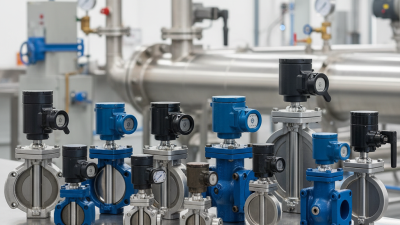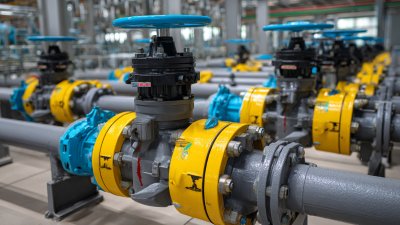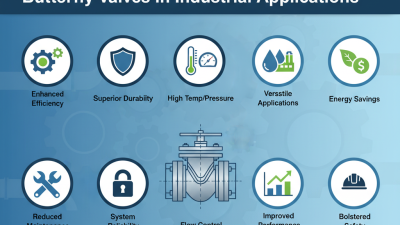
Choosing the best butterfly valves in 2026 is less about finding one standout product and more about matching a valve to its job. The right choice depends on the fluid, operating pressure, temperature, pipe size, and how often the valve will cycle. A valve controlling clean water may need different materials and sealing performance from one handling abrasive slurry or corrosive process media. Details matter.
This guide compares butterfly valves by practical factors: body and disc materials, seat design, pressure ratings, actuation options, maintenance needs, and supplier support. It also considers installation realities, such as available space around a pipe and access to replacement parts. A low purchase price can be appealing, but it may not reflect the cost of downtime, difficult servicing, or early seal wear. Not always. Brand reputation can help narrow a shortlist, yet specifications and documented performance deserve closer attention. Buyers should confirm that each model suits the intended service and meets the project’s stated requirements. Product data can vary, and no ranking can account for every plant, budget, or operating condition. That is the trade-off. The aim here is a clear, evidence-minded starting point—not a universal winner—and a reminder to check the details before selecting a valve.
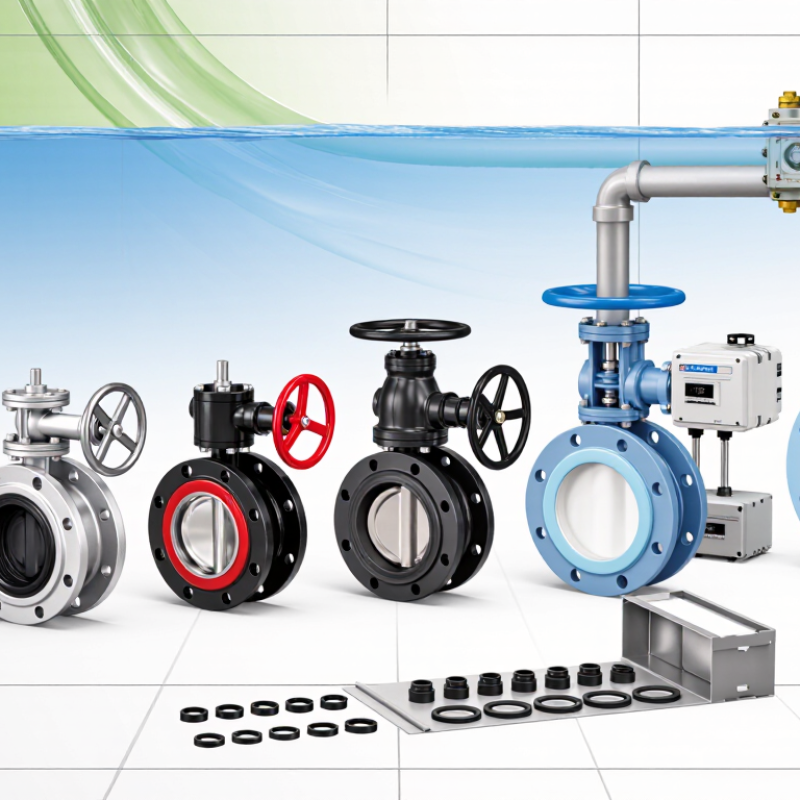
Butterfly valves control flow with a rotating disc inside a pipe. A quarter-turn moves the disc from open to closed. When open, the disc sits edge-on to the flow, allowing liquid or gas to pass. Turn the handle or actuator, and the disc blocks the passage. Simple motion. Fast response.
The design is compact, which helps where pipe space is tight. Operators use butterfly valves in water treatment, building services, irrigation, and many industrial lines. For example, a maintenance worker may isolate a section of pipe before replacing a filter. Some designs suit throttling; others are better for fully open or closed service. The right choice depends on pressure, temperature, fluid, and how often the valve moves. Not every valve handles every job.
In 2026, a “best” valve is one that matches the actual system, not just a product description. Check the disc and seat materials against the fluid, and confirm the pressure rating with the system requirements. Consider manual, electric, or pneumatic operation, too. A small mismatch can cause leakage, wear, or difficult operation. And honestly, specifications alone can leave questions; installation conditions and maintenance access matter just as much. A valve that looks ideal on paper may be awkward to service in a crowded plant.
What Are the Best Butterfly Valves in 2026?
Key Butterfly Valve Designs and How They Differ
Butterfly valves differ mainly in disc position, seat material, and sealing motion. A concentric design places the stem through the disc center. Its resilient seat presses against the disc for shutoff. This compact, straightforward style often suits water lines and general service. However, seat material and operating temperature limit where it performs well.
Double-offset valves move the stem away from the disc center and seat plane. That geometry reduces rubbing as the valve opens, which can help limit seat wear in demanding service. Triple-offset designs add a conical sealing profile. Their disc lifts away from the seat during rotation, reducing contact. They are commonly considered for higher temperatures or metal-seated applications, but installation and seat details still matter.
Tips: Match the design to the fluid, pressure, temperature, and required shutoff level. Check the seat and disc materials against the process conditions. A valve that works smoothly in a clean water line may behave differently with abrasive media. Also verify actuator torque and available space before selecting; these details are easy to overlook.
The chart compares the defining geometric offset count in three common designs: concentric (zero), double-offset (two), and triple-offset (three). More offsets do not automatically make a valve better; the right design depends on the application, including shutoff requirements, temperature, pressure, and operating conditions.
A strong butterfly valve is not simply the cheapest valve that fits the pipe. Evaluate its pressure rating, temperature range, shutoff performance, and operating torque against the actual service conditions. A valve controlling warm cooling water faces different demands from one handling abrasive slurry. Check the disc and seat materials against the fluid, and ask for documented leakage and pressure-test results. Small details matter.
The U.S. Department of Energy’s Improving Pumping System Performance: A Sourcebook for Industry reports that pumping systems use nearly 20% of global electricity. That makes pressure loss worth checking, especially in systems that run continuously. Compare pressure-drop data at expected flow rates, not just at full-open conditions. For modulating service, confirm the valve can control reliably across its operating range; a valve that spends most of its life nearly closed may waste energy and wear unevenly. The DOE figure is broad, not a prediction for any single facility.
Review design and test documentation against the applicable edition of API 609, then verify actuator torque margins under real differential pressure. Ask how the seat performs after repeated cycles, not only when new. Field conditions can be messy. I would also compare maintenance access, spare-seat availability, and installation clearance before ranking options. These checks will not make every choice obvious, but they expose trade-offs that a catalog headline can hide.
The best butterfly valve depends on the medium, pressure, temperature, and operating frequency. It is not universal. For clean water systems, resilient-seated valves offer dependable shutoff and lower purchase costs. Their rubber seats also reduce leakage around treatment plants, irrigation lines, and building services. However, seat materials must match chlorine levels and operating temperatures.
High-Performance Applications High-performance, double-offset valves suit steam, hot water, and frequent cycling. Their offset design reduces seat friction, which can extend service life in demanding pipelines.
High-Temperature Isolation For high-temperature or critical isolation duties, triple-offset metal-seated valves provide stronger resistance to heat and mechanical wear. They cost more, and installation errors can still cause leakage. That detail is often underestimated.
Chemical processing requires careful material selection rather than a generic “corrosion-resistant” label. Valve liners, discs, shafts, and seals should match the actual chemical concentration and temperature. In food production, hygienic designs need smooth internal surfaces and drainable layouts. Slurry applications may require reinforced discs and abrasion-resistant seats.
Actuation also matters: pneumatic operators respond quickly, while electric actuators support controlled positioning and remote monitoring. In my assessment, the actuator is sometimes chosen too late, creating alignment and torque problems.
Engineers should verify pressure ratings, flange standards, emergency requirements, and local regulations before ordering. A practical review of maintenance access can prevent an expensive surprise.
The best butterfly valves in 2026 are not selected by price alone. Installation quality often determines their real performance. Before fitting, inspect the valve, flange faces, and pipeline for dirt or damage. Even a small weld bead can scratch the sealing seat. Keep the disc partly open during installation. This reduces the chance of edge impact. Align the pipe carefully, then tighten bolts in a diagonal pattern. Uneven pressure may distort the body. Check the disc by hand before connecting the actuator.
Maintenance should follow operating conditions, not only a calendar. A valve handling abrasive slurry needs closer inspection than one carrying clean water. During service checks, look for stem movement, seat leakage, loose bolts, and unusual actuator noise. Cycle the valve slowly when possible. A sudden movement can stress the stem and connected piping. Record torque, leakage observations, and cycle frequency. Small records become useful evidence later. Still, no checklist replaces sound judgment.
Service life depends on temperature, pressure, chemical exposure, and operating frequency. Cavitation can damage the disc and seat quickly. Corrosion may remain hidden beneath insulation or deposits. Replace worn seals before leakage affects nearby equipment. Do not force a stuck valve. Find the cause first. In practice, maintenance plans are rarely perfect. Conditions change, and assumptions age. Reviewing inspection intervals after each failure can prevent the same mistake from returning.
The best choice depends on the fluid, operating conditions, required shutoff performance, and applicable standards. The capabilities below are general selection guidance, not product ratings.
| Valve Type | Best Suited For | Typical Design Considerations | Installation Guidance | Maintenance Priorities | Service-Life Planning |
|---|---|---|---|---|---|
| Resilient-seated, concentric | Water distribution, HVAC, irrigation, and other compatible low-to-moderate-pressure services where reliable bubble-tight shutoff is needed. | Elastomer seat materials such as EPDM or NBR have different chemical and temperature limits. Pressure and temperature ratings depend on valve size, body design, and seat material. | Check flow direction and the manufacturer’s permitted mounting positions. Align and support the pipework, keep the disc clear of the pipe bore, and tighten flange bolts evenly. | Inspect for seat damage, leakage, corrosion, and actuator issues. Cycle the valve periodically where permitted; avoid using it as a throttling valve unless it is rated for that duty. | Often selected for long service in clean, compatible fluids. Seat condition, water chemistry, cycling frequency, and installation quality strongly affect replacement intervals. |
| Double-offset, high-performance | Process and utility systems needing tighter shutoff, higher pressure capability, or improved wear characteristics than a basic concentric design. | Commonly uses a resilient or polymer seat with an offset disc geometry. Pressure, temperature, and fire-safe performance are design-specific and must be confirmed from the valve documentation. | Follow the specified flow direction, disc orientation, and flange or lug-bolt procedure. Verify the disc can rotate freely through its full travel before commissioning. | Check seat and disc-edge condition, shaft packing, fasteners, and actuator calibration. For modulating service, confirm the valve is sized for the actual flow range. | Can provide extended service in suitable clean or moderately demanding service; abrasive solids, frequent cycling, and unsuitable seat materials can shorten life. |
| Triple-offset, metal-seated | Higher-temperature or more demanding process duties where metal seating, reduced seat friction, or a fire-safe design is required. | Metal-seat construction can suit conditions beyond many elastomer seats, but allowable temperature and pressure depend on materials, design, and applicable qualification. Leakage class may differ from resilient-seated valves. | Install in the specified orientation and observe the required disc clearance. Use the stated gasket type and bolt-tightening sequence; avoid forcing a misaligned valve into the pipeline. | Inspect seat surfaces, packing, bearings, and actuator operation. Metal seats are precision components; follow approved repair procedures rather than lapping or adjusting them without authorization. | Potentially long-lived in correctly selected service, but severe thermal cycling, corrosion, erosion, and abrasive media can cause significant wear. |
| Fully lined, corrosion-resistant | Corrosive chemicals and services where a compatible lining can protect wetted metal surfaces. | Lining compatibility must be checked against the exact chemical concentration, temperature, pressure, and cleaning process. A lining suitable for one chemical may fail in another. | Protect the lining during handling and installation. Use compatible gaskets, avoid excessive bolt torque, and inspect flange faces and the valve bore for damage before fitting. | Inspect the lining for cuts, blistering, separation, or chemical attack. Prevent sharp objects and unsuitable cleaning tools from contacting lined surfaces. | Life depends heavily on chemical compatibility, temperature excursions, vacuum conditions, and lining integrity; no general service-life estimate is reliable without application details. |
Selection and service note: Verify pressure-temperature limits, materials compatibility, leakage requirements, end connections, actuator sizing, and applicable standards for the exact valve configuration. Service life is application-dependent; use inspection records and condition monitoring to set maintenance and replacement intervals.
Join our mailing list to receive the latest news and updates from our team.