
10 Best Electric Fuel Pumps for Cars in 2026?

Choosing the right Electric Fuel Pumps for a car is about more than price or advertised flow. The pump must match the vehicle’s fuel system, engine demands, electrical setup, and mounting location. A mismatch can lead to hard starting, inconsistent pressure, excess noise, or premature wear. Small details matter.

This 2026 guide introduces ten options and the factors worth checking before you buy. These include pressure and flow ratings, in-tank or inline design, fuel compatibility, connector type, and whether a regulator or installation hardware is included. Compare each pump’s specifications with your vehicle manufacturer’s requirements, not just a product headline. A larger flow rating is not automatically better.

Fitment can vary between trims and model years. Confirm the exact application using the vehicle identification details and the manufacturer’s fitment information. For installation, follow the service manual and use a qualified technician if you are unsure; fuel-system work requires careful handling. No list can replace a proper diagnosis. A failing pump may resemble other fuel or electrical problems, so check the underlying issue before replacing parts. Some listings also omit useful details, and that is worth noticing. The picks ahead are intended to help narrow the search, while careful compatibility checks remain essential.
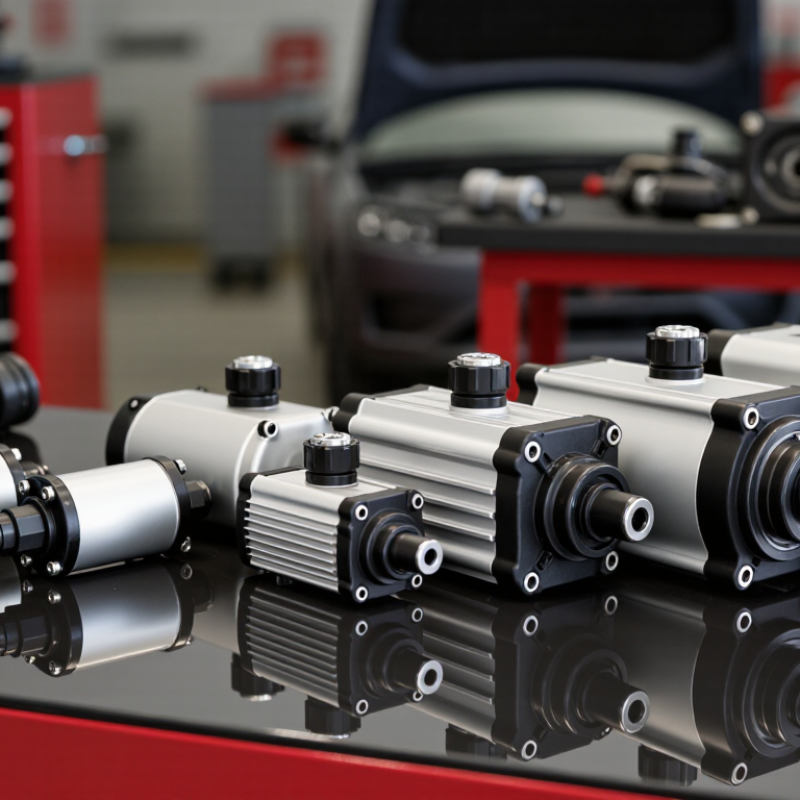
10 Best Electric Fuel Pumps for Cars in 2026?

How Electric Fuel Pumps Deliver Fuel to a Car’s Engine

An electric fuel pump moves fuel from the tank toward the engine under controlled pressure. In many cars, it sits inside the tank, where surrounding fuel helps cool it. A fine strainer catches larger debris before fuel enters the pump. The pump then pushes fuel through the lines and filter to the injection system.

In port-injected engines, injectors spray fuel into the intake ports. Direct-injection engines usually add a mechanically driven high-pressure pump near the engine. The electric pump supplies that unit at lower pressure. It is not magic. Pressure and flow must match engine demand, or starting and acceleration can suffer.

A control module may vary pump speed as demand changes, while sensors help the engine computer adjust injection. A faint humming sound near the tank can be normal, but a sudden change deserves attention; noise alone does not prove pump failure.

The U.S. EPA’s 2024 Automotive Trends Report puts average new-vehicle fuel economy for model year 2023 at 27.1 miles per gallon. That is a whole-vehicle figure, not a measure of pump efficiency. Still, consistent fuel delivery supports accurate combustion and emissions control.

Real diagnosis is less tidy: a clogged filter, weak electrical connection, or failing pump can produce similar symptoms. Check pressure and electrical supply before replacing parts.

Types of Electric Fuel Pumps and Their Vehicle Applications

Electric fuel pumps differ by location, pressure, and duty cycle. In-tank pumps sit inside the fuel tank, where fuel helps cool the motor. They are common in modern gasoline cars and many diesel vehicles. Inline pumps mount along the fuel line and can suit older vehicles or specialized fuel systems. They are easier to reach, but exposed lines and mounting points need careful inspection.

Direct-injection engines use a low-pressure electric supply pump and a separate engine-driven high-pressure pump. SAE technical literature places gasoline direct-injection rail pressure broadly around 50–350 bar, far above typical port-injection pressure. Matching pump pressure and flow to the engine matters; higher flow alone does not guarantee reliable performance. EPA’s 2024 Automotive Trends Report gives model-year 2023 new vehicles an average fuel economy of 27.1 mpg. That figure is not a pump comparison, but it reflects how tightly modern engine systems are calibrated.

Tips: Check the vehicle’s specified pressure, connector, and fuel compatibility before choosing a replacement. Listen for a steady pump hum; a louder sound can be a warning, but it is not a diagnosis. I still find flow-rate figures easy to overvalue. Test pressure under load when possible.

Key Factors for Comparing Fuel Pumps in 2026

Comparing electric fuel pumps in 2026 starts with vehicle compatibility, not advertised flow numbers. Check the required pressure and delivery rate against your vehicle’s service specifications. A pump that moves plenty of fuel may still be unsuitable if its pressure is wrong. Match the electrical connector, mounting style, and fuel-system layout, too. Small details matter.

Consider operating conditions. An in-tank pump is usually quieter because fuel helps dampen its sound, while an external pump may be easier to access. Check whether the pump is rated for your fuel type and expected operating temperature. Look for durable housing, secure seals, and a suitable inlet filter. Also verify voltage requirements; a weak connection can cause poor performance or premature wear. Fit matters more than hype.

Noise and installation difficulty can be hard to judge from specifications alone. Reviews may help, but vehicle differences make them imperfect evidence. I would compare measured pressure and flow data, installation instructions, and warranty terms before deciding. Leave room for a little uncertainty. If a pump requires wiring changes or pressure adjustments, confirm those steps with a qualified technician and the vehicle’s service information. A careful match is often less exciting, but more reliable.

10 Electric Fuel Pumps for Different Cars and Driving Needs

10 Electric Fuel Pumps for Different Cars and Driving Needs

Choosing a fuel pump starts with the vehicle, not the headline flow rate. A compact commuter usually needs a quiet, factory-matched in-tank unit. Older carbureted cars need low-pressure delivery, while electronic fuel-injection systems require pressure and flow matched to their specifications. Turbocharged engines and towing vehicles may need more capacity under load, but oversized pumps can cause noise, heat, or control problems. Classic conversions, vans, off-road vehicles, diesel lift-pump setups, and track cars each bring different demands. Direct-injection engines need particular care: their high-pressure pump is not interchangeable with a low-pressure electric supply pump. A fit that looks right may still be wrong.

Vehicle age matters, too. S&P Global Mobility reported that the average age of U.S. light vehicles reached 12.6 years in 2024. Older vehicles can have worn wiring, clogged filters, or tired connectors that mimic pump failure. That is easy to overlook. Treat any pump shortlist as a starting point, then confirm pressure, flow, voltage, fuel type, and connector fit against reliable service information. A small mismatch can mean hard starting or poor running.

Tips: Check pressure with a gauge, inspect the filter and wiring, and verify the pump’s specified operating conditions before buying. For modified engines, have a qualified technician calculate fuel demand; guessing from horsepower alone is imperfect. Keep the installation clean, and never ignore fuel leaks or unusual electrical heating.

Installation, Safety Checks, and Ongoing Pump Maintenance

A safe electric fuel-pump installation starts with the vehicle’s service manual, not guesswork. Work outdoors or in strong ventilation, let the engine cool, and disconnect the battery as directed. Relieve fuel-system pressure using the specified procedure before opening any line. Keep sparks, cigarettes, and hot work lights away. Fuel leaks are urgent. Replace damaged seals, secure electrical connectors, and route hoses clear of sharp edges and moving parts. After installation, reconnect power and inspect every joint for seepage before driving.

Ongoing checks matter as vehicles age. S&P Global Mobility reported that the average age of U.S. light vehicles reached 12.6 years in 2024. That figure is not a pump-failure rate, but older vehicles make regular inspection more relevant. Watch for hard starting, uneven power, or a new whining sound; none proves the pump is faulty on its own. A quiet pump can still be failing. Diagnosis should include fuel pressure and electrical checks, not just sound.

Tips: Keep the tank above very low levels when practical, and check for leaks after service. Never crawl beneath a vehicle supported only by a jack. If fuel odor persists, stop the engine and arrange professional inspection; a quick wipe does not confirm a repair is safe.

10 Best Electric Fuel Pumps for Cars in 2026? — Installation, Safety Checks, and Ongoing Pump Maintenance

Use this comparison as a needs-based selection guide, not a universal ranking: the right pump depends on the vehicle’s fuel, engine, fuel-system design, and manufacturer specifications. Pressure examples below are general reference points; always verify the required pressure and flow for the specific vehicle.

No. Vehicle or fuel-system use Pump configuration to consider Pressure and flow guidance Fitment and installation checks Ongoing maintenance
1 Carbureted gasoline engine Low-pressure electric pump compatible with the vehicle’s fuel and mounting arrangement. Many carburetor systems use approximately 4–7 psi, but confirm the carburetor and vehicle requirements. Check whether a pressure regulator is needed. Mount securely and use fuel-rated hose, clamps, wiring, and a correctly sized fuse. Inspect hoses, connections, filter condition, and regulator operation; investigate fuel seepage or pressure changes promptly.
2 Port-injected gasoline vehicle with an in-tank pump Vehicle-specific in-tank replacement or module matched to the original system. Many port-injection systems operate around 40–70 psi; required pressure and flow vary by vehicle and operating condition. Match the electrical connector, mounting arrangement, sender compatibility, and specified pressure. Replace seals disturbed during service. Keep the tank clean, use the specified fuel filter service interval, and check for hard starting or changes in pump noise.
3 Port-injected engine with increased power demand Higher-capacity pump selected for the engine’s actual fuel demand and system pressure. Choose flow at the required operating pressure—not the pump’s free-flow rating—and retain an adequate safety margin. Confirm that wiring, relay, fuse, fuel lines, regulator, and injectors can support the intended flow and electrical load. Check fuel pressure under load and inspect electrical connections for heat, corrosion, or voltage drop.
4 Turbocharged or supercharged port-injected gasoline engine Pump and pressure-control setup designed for the engine’s boost-referenced fuel system. Required delivery pressure may rise with boost; follow the engine and regulator specifications rather than relying on a static pressure figure. Verify regulator reference routing, return-line capacity where applicable, and pump flow at the system’s maximum pressure. Check pressure behavior under load, reference hoses, fuel lines, and connections for leaks or deterioration.
5 Flexible-fuel gasoline/ethanol vehicle Pump, seals, and related components explicitly compatible with the vehicle’s approved fuel blends. Use the vehicle’s specified pressure and flow requirements; fuel compatibility alone does not establish adequate capacity. Confirm compatibility of the pump, hoses, seals, filter, and regulator with the intended fuel blend. Follow the vehicle’s maintenance schedule and inspect fuel-system materials for swelling, cracking, or leakage.
6 Diesel vehicle using an electric low-pressure lift pump Diesel-rated lift pump matched to the engine’s supply system. Lift-pump pressure and flow are engine-specific; do not confuse supply pressure with high-pressure injection-system pressure. Follow the service procedure for priming and bleeding. Check filter direction, fuel-line routing, and any water-separation components. Replace filters as specified and monitor for air ingress, leaks, unusual noise, or difficulty priming.
7 Older vehicle being converted from a mechanical pump Electric pump selected for the original fuel-system design, with an appropriate regulator if required. Match the pressure to the carburetor or injection system; excessive pressure can cause flooding or poor operation. Use a safe mounting location, suitable fuel-rated lines, protected wiring, and an ignition-controlled shutoff arrangement appropriate to the vehicle. Inspect conversion-related wiring, mounting points, filters, and all added fuel connections regularly.
8 Vehicle requiring an externally mounted replacement pump Inline pump specified for the vehicle’s fuel type, pressure, flow, and installation orientation. Confirm rated flow at the required working pressure and check any inlet or outlet restrictions. Mount as directed by the pump instructions, protect it from road impact and heat, and avoid unsupported or kinked hoses. Check mounting security, vibration, hose condition, filter restriction, and electrical terminals.
9 Vehicle with a noisy or intermittently operating pump Correct-fit replacement chosen only after checking the pump’s power supply and fuel supply conditions. Compare measured pressure and flow with the vehicle’s service specifications before deciding the pump is faulty. Inspect the fuse, relay, ground, wiring voltage, fuel level, filter, and inlet restrictions; noise alone does not prove pump failure. Recheck the underlying cause after repair and monitor starting, running, and fuel-pressure behavior.
10 Daily driver needing a like-for-like replacement Vehicle-specific pump or complete module that matches the original system requirements. Use the original equipment pressure and flow specifications; avoid selecting by advertised maximum flow alone. Confirm vehicle fitment, connector and sender details, seals, installation procedure, and any required filter or strainer replacement. Keep fuel-system service records and address warning signs such as stalling, extended cranking, or repeated fuse failure.

Safety before installation: Work in a well-ventilated area away from flames, sparks, and smoking. Follow the vehicle service manual to relieve fuel pressure and disconnect the battery safely. Use fuel-compatible parts, protect wiring with the specified fuse and relay arrangement, and check carefully for leaks before driving. If the procedure or system is unfamiliar, have a qualified technician perform the work.

Subscribe To Our Newsletter

Join our mailing list to receive the latest news and updates from our team.

You have Successfully Subscribed!