What Is the Best Flat Screen TV to Buy in 2026?
Choosing the best Flat Screen Tv to buy in 2026 takes more than comparing screen sizes or chasing the brightest display. The right choice depends on your room, viewing habits, budget, and the devices you plan to connect. A sunlit living room calls for different strengths than a dark bedroom. Gaming, sports, and films also place different demands on motion, contrast, and input response.
HDTVTest founder and professional TV reviewer Vincent Teoh is known for emphasizing accurate picture performance in his testing. A fair paraphrase of that principle is: “Choose a TV for balanced, accurate images, not just showroom brightness.” Treat that as a testing principle, not a direct quotation. In this guide, we’ll compare key features such as OLED and Mini LED panels, refresh rates, HDR support, smart-TV platforms, and HDMI connections. We’ll also consider screen size and typical viewing distance, since a large screen can feel overwhelming in a small room. Small details matter.
There is no perfect set for everyone. A premium model may deliver deep blacks but cost more than your room or habits justify. A less expensive option may be excellent for streaming yet weaker in bright daylight. Model names and specifications can also vary by region, so verify the exact version before buying. The recommendations ahead will focus on measurable performance and practical trade-offs, while acknowledging one inconvenient truth: even careful testing cannot predict which picture you’ll personally prefer.
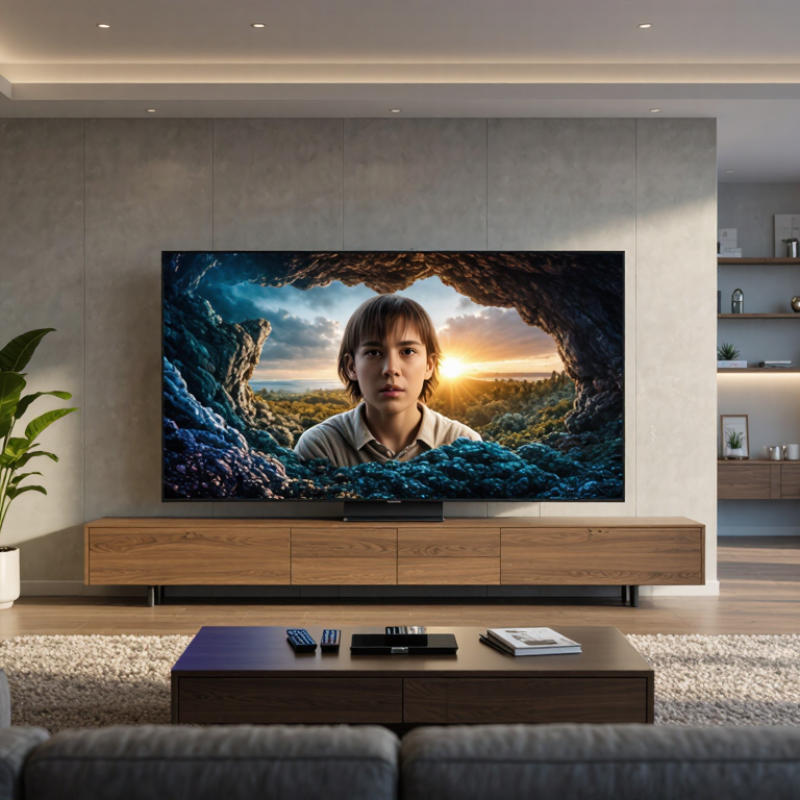
What Makes a Flat-Screen TV the Best Choice in 2026?
What makes a flat-screen TV the best choice in 2026 is how well it fits your room, viewing habits, and budget—not a flashy specification alone. Nielsen’s July 2024 The Gauge report found streaming made up 41.4% of U.S. television use, compared with 20.0% for broadcast and 26.1% for cable. That makes a reliable app interface and steady Wi-Fi performance practical priorities. Check menus in person if possible. A slow home screen gets irritating fast.
Picture quality still matters. In a bright living room, strong reflection handling and enough screen brightness can matter more than deep blacks. In a dim room, contrast becomes easier to appreciate. For gaming, look for a 120 Hz panel and variable refresh rate, but do not assume every input supports them. Read the fine print. ENERGY STAR says certified televisions use about 25% less energy than conventional models, so checking the label can help limit running costs. One easy mistake is buying the largest screen that fits the wall. Measure your seating distance, too; bigger is not always more comfortable, and showroom lighting can mislead.
How OLED, Mini-LED, and LED Display Technologies Differ
What Is the Best Flat Screen TV to Buy in 2026?
How OLED, Mini-LED, and LED Display Technologies Differ
OLED pixels create their own light, so black pixels can switch off completely. That gives dark scenes deep blacks and sharp contrast, especially in a dim room. Bright subtitles on a black screen look crisp. OLED panels can also show image retention after prolonged static content, though the risk varies by model and use. I still wouldn’t treat one dramatic test as a guarantee of everyday performance.
Mini-LED is an LCD display with a backlight split into many small dimming zones. It can get very bright, which helps in sunny rooms, but bright objects may produce halos against dark backgrounds. Standard LED TVs are also LCDs, usually with less precise backlight control. They can be a sensible lower-cost choice, but shadow detail may look flatter. Terms can be confusing; “LED” alone doesn’t tell you how many dimming zones a screen has.
For measured comparisons, RTINGS’ television testing evaluates contrast, peak brightness, reflections, and viewing angles—useful checks because room lighting changes what you actually see. Energy use deserves a separate look: ENERGY STAR reports that certified TVs use about 25% less energy than conventional models. That figure compares certification categories, not OLED against Mini-LED directly. Match the screen to your room: OLED for controlled lighting, Mini-LED for bright spaces, and LED when price matters most. Try a dark scene and a sunlit scene before deciding.
How to Choose the Right Screen Size and Resolution
Choosing the right screen size starts with your room, not the largest number on a box. Measure the distance from your usual seat to the screen. For many 4K televisions, a viewing distance around 1.2 to 1.6 times the screen’s diagonal is a useful starting point, not a strict rule. At seven feet, a 55-inch screen may feel balanced; a larger screen could suit viewers who prefer a more immersive picture. Check the stand width, too. Small details matter.
Resolution affects how sharp the picture looks, especially up close. For most living rooms, 4K provides clear detail across common screen sizes. 8K may be worth considering for a very large screen viewed nearby, but suitable content remains limited, so the upgrade may not be noticeable. Compare actual picture quality in normal lighting when possible. Bright showroom displays can make differences seem bigger than they are. I would not choose by resolution alone.
Tips: Sit in your usual spot and mark the screen’s approximate width with painter’s tape. Watch a familiar scene from a film or sports broadcast. Can you follow small details without turning your head? Leave space for speakers and furniture, and consider glare from windows. My own judgment can shift after a long viewing session, so test comfort before deciding.
Which TV Features Matter for Gaming, Streaming, and Sports?
The best flat-screen TV in 2026 depends on what you watch and how you play. For gaming, look for a 120Hz refresh rate, variable refresh rate support, and low input lag. These features can make fast movement feel smoother and controls more responsive. Check the ports, too: some models offer fewer high-bandwidth HDMI connections than their specifications suggest. That matters.
For streaming, a clear interface and reliable access to your preferred services can be more useful than a long list of picture modes. Strong HDR performance helps preserve detail in bright skies and shadowy scenes, but results vary by content. A bright living room may also call for a screen that handles reflections well. Menus and software updates deserve attention; they can shape daily use more than a small boost in peak brightness.
Sports put motion handling and viewing angles to the test. Look for crisp movement during a quick camera pan, and consider whether the picture stays clear from seats off to the side. A large screen can make a match more engaging, but it may feel overwhelming in a small room. There is no perfect setting for every broadcast. Compare familiar footage at home when possible, since bright store lighting can distort what looks best.
How Price and Long-Term Value Affect TV Selection
A sensible TV budget includes more than the checkout price. Compare screen size, picture quality, and expected years of use, then check the EnergyGuide label for annual electricity use. A bright showroom demo can make premium brightness feel essential, but a living room usually needs less. Paying extra for features you rarely notice is not long-term value.
Power costs are worth calculating, though they rarely outweigh a large price difference. The U.S. Energy Information Administration reported an average residential electricity price of 16.48 cents per kilowatt-hour in 2024. At that rate, a 100-watt TV used five hours daily costs about $30 a year to run. That adds up. The U.S. EPA says certified televisions use about 25% less energy than conventional models, which can help over years of daily viewing. Check actual label figures; screen size and settings change consumption. Not a deal-breaker. I would still avoid treating energy savings as a reason to overpay: even a decade of modest savings may not cover a steep upgrade. Leave room in the budget for a sturdy stand, cables, or a future repair, and accept that long-term ownership costs are estimates, not guarantees.
What Is the Best Flat Screen TV to Buy in 2026?
A price-and-value comparison of common 65-inch TV technologies
Illustrative planning estimates: purchase prices are not live market averages. Annualized cost divides the example price by seven years of ownership and excludes electricity, repairs, and resale value. Compare current prices and features before buying; the best value depends on your budget, room, and viewing habits.