What are the Best Types of Water Pumps for Global Buyers?
The global water pump market has shown significant growth in recent years. According to a report by MarketsandMarkets, the industry is expected to reach $72.5 billion by 2025, reflecting an annual growth rate of 4.9%. This growth is driven by rising water demand and advancements in technology. Water pumps are critical in agriculture, construction, and municipal sectors, highlighting their essential role in modern infrastructure.
Water pumps come in various types, each serving specific needs. Centrifugal pumps are popular for their efficiency in moving large volumes of water. Submersible pumps are vital for deep well applications and managing flood water. However, choosing the right type can be challenging due to numerous factors. Buyers often face confusion regarding power sources, materials, and applications. This complexity might lead to purchasing decisions that do not align with actual needs.
As buyers navigate this market, understanding the best types of water pumps is crucial. Researching through reputable sources allows consumers to make informed choices. Some buyers report difficulties in finding reliable manufacturers, further complicating the decision-making process. Engaging with industry experts can provide insights into the best options available. Ultimately, awareness of the varying product types ensures effective solutions for diverse pumping needs.
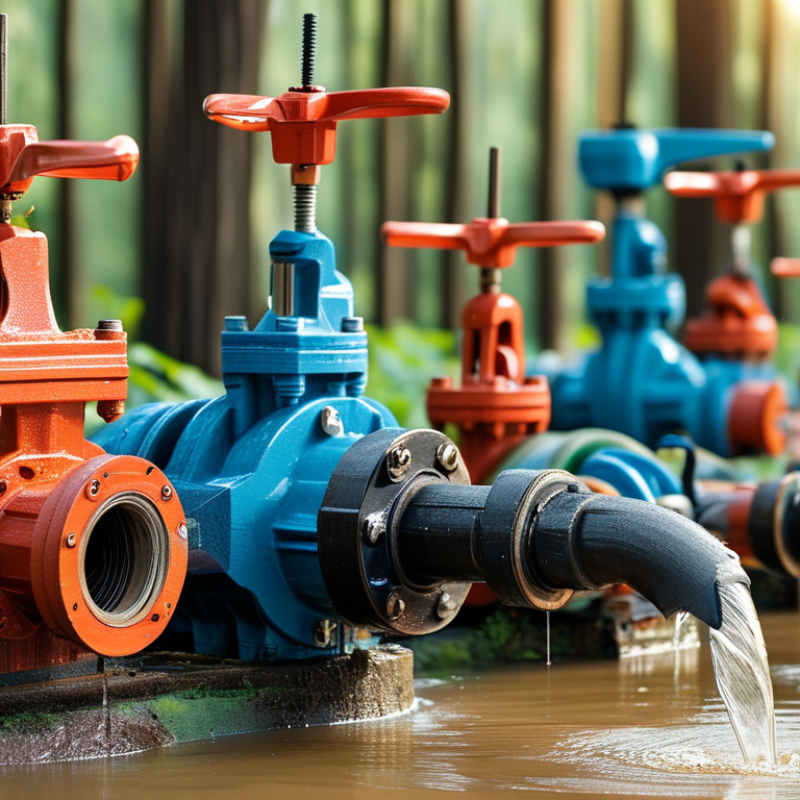
Understanding the Various Types of Water Pumps Available Globally
When exploring various types of water pumps available globally, it’s essential to understand their unique functionalities. Submersible pumps are widely recognized for their efficiency in moving water. These pumps are submerged in the water source, making them ideal for wells and deep reservoirs. They are powerful and can handle larger volumes. However, they may require more maintenance due to their exposure to water conditions.
Another popular option is the centrifugal pump. This type relies on rotational energy to move water. Centrifugal pumps are versatile and suitable for many applications, including irrigation and industrial use. Their design allows them to operate at high flow rates. Still, potential users should note that they can struggle with viscous fluids. Understanding the limitations and strengths of each pump type is crucial in making a wise choice.
Diaphragm pumps also deserve attention. These pumps utilize a flexible diaphragm to move fluids. They are great for precise dosing applications and can handle slurries or chemicals effectively. However, they may not be the best for large flow requirements. Each pump type presents its own set of advantages and challenges. Considering operational needs and environmental factors is vital for global buyers.
Key Features to Consider When Choosing a Water Pump
When selecting a water pump, several key features merit consideration. The pump's capacity is one of the most critical factors. Understanding the required flow rate for your application will guide you in choosing the right model. A pump that is too small will struggle to provide adequate water supply, leading to inefficiencies.
Durability and materials are also essential. Pumps constructed from high-quality materials like stainless steel are often more reliable. They resist corrosion and damage, extending the pump's lifespan. Installation methods should be simple, allowing users to set up without professional assistance. This is particularly vital for global buyers who may face various environmental conditions.
Efficiency is another aspect not to overlook. An energy-efficient pump not only saves money but also reduces environmental impact. However, balancing power and efficiency is a challenge. It may require research and careful consideration. Lastly, be aware of the maintenance needs. Some pumps demand frequent upkeep, which might not be feasible for all users. As you explore options, reflect on these features to make a well-informed decision.
Comparative Analysis of Centrifugal and Positive Displacement Pumps
Centrifugal pumps and positive displacement pumps serve distinct purposes in fluid movement. Centrifugal pumps are ideal for low-viscosity liquids. Their design allows for continuous flow, making them suitable for large-scale applications. They utilize a rotating impeller to generate fluid motion. This type of pump often operates quietly and efficiently.
In contrast, positive displacement pumps excel in handling thicker fluids. They move a fixed volume of liquid with each cycle, providing high pressure. These pumps are vital in industries where precise flow control is crucial. However, they can be prone to damaging cavitation if not carefully managed.
Understanding the differences between these pump types is essential. Each has its strengths and weaknesses. Choosing the right pump depends on the specific application and fluid characteristics. Regular maintenance is necessary to ensure optimal performance and avoid breakdowns. Keeping a keen eye on performance metrics can reveal signs of potential failure. It’s important to reflect on these aspects when selecting a pump.
Top Applications for Different Water Pump Types Worldwide
Water pumps are essential tools in various industries worldwide. Different pump types serve specific applications tailored to unique needs. For instance, submersible pumps are commonly used in agricultural irrigation. They effectively transport groundwater, helping to increase crop yields. A report from the International Water Management Institute indicates that efficient irrigation can boost agricultural productivity by up to 50%.
In municipal settings, centrifugal pumps are often employed for water supply and wastewater management. These pumps can move large volumes of water efficiently, essential for urban infrastructure. According to the U.S. Environmental Protection Agency, nearly 90% of U.S. water utilities use centrifugal pumps for their operations. This statistic highlights the importance of selecting the right pump type to ensure reliability and sustainability in water distribution systems.
Industrial applications also rely heavily on diaphragm pumps. These are used in chemical processing and food production due to their ability to handle viscous fluids without contamination. A survey conducted by the Global Industrial Pumps Market Report indicated that diaphragm pumps have seen a 15% increase in demand over the past five years. This demand reflects the ongoing need for versatile and safe pumping solutions in various sectors. However, as industries evolve, continuous monitoring and adaptation of pump technologies remain necessary to address emerging challenges.
What are the Best Types of Water Pumps for Global Buyers? - Top Applications for Different Water Pump Types Worldwide
| Pump Type | Key Applications | Advantages | Disadvantages |
| Centrifugal Pumps | Agricultural irrigation, industrial water supply | High efficiency, suitable for large volume transfers | Not suitable for high-viscosity fluids |
| Submersible Pumps | Well water extraction, sewage applications | Compact design, prevents upthrust | Maintenance can be difficult |
| Positive Displacement Pumps | Food and beverage production, chemical processing | Can handle viscous fluids, high pressure capability | Pulsating flow, can be more complex |
| Solar Pumps | Remote water supply, irrigation | Sustainable energy source, low operating costs | Dependent on sunlight, lower flow rates |
| Diaphragm Pumps | Water treatment, lubrication systems | Self-priming, handles slurries well | Lower flow rates, can be expensive |
Guidelines for Selecting the Right Water Pump for Your Needs
Choosing the right water pump can be challenging. Understanding your specific needs is vital. Different applications require different types of pumps. Consider whether you need a submersible pump for deep well applications or a centrifugal pump for general water transfer. Each type serves its purpose based on water source and delivery requirements.
When selecting a pump, assess the flow rate and pressure required for your application. Calculate the volume of water you need to move. Do you have enough power supply? A mismatch can lead to inefficiencies. Look into the materials your pump is made of. Some might corrode over time, affecting durability.
Consider the environment where the pump will operate. Outdoor settings expose pumps to weather elements. Indoor pumps need to fit in small or confined spaces. Ensure you account for these factors. Remember, not all choices will be perfect. Testing a pump’s performance after setup can reveal unexpected issues. Failure to do this might lead to operational problems later.