
Choosing a fiber optic cable supplier involves more than comparing prices or reading product catalogs. This guide introduces ten notable manufacturers in China and explains what buyers should examine before requesting quotations. The companies serve different markets, so their products, production capacity, and export experience may vary. A large factory is not automatically the right fit.
For Cable Drop Fibra Optica, check the cable’s construction, fiber type, tensile strength, bend performance, and specified operating conditions. Ask for current datasheets and test reports, then confirm that the documents match the exact model being quoted. Useful details include jacket material, messenger-wire design, connector options, packaging, and minimum order quantity. Small differences matter. A cable routed along a building exterior may face different installation demands from one used indoors. Confirm those demands with your engineering or installation team.
This overview is a starting point, not a final endorsement. Manufacturer rankings can change with product scope, delivery performance, and the evidence available to buyers. Some suppliers publish clear technical information; others may require follow-up questions. That is worth noticing. Before placing an order, request samples where practical and verify production lead times, quality-control procedures, and after-sales support. Compare specifications on equal terms, rather than relying on broad claims such as “premium quality.” The right choice depends on the project, the installation environment, and the supplier’s ability to document what it delivers.
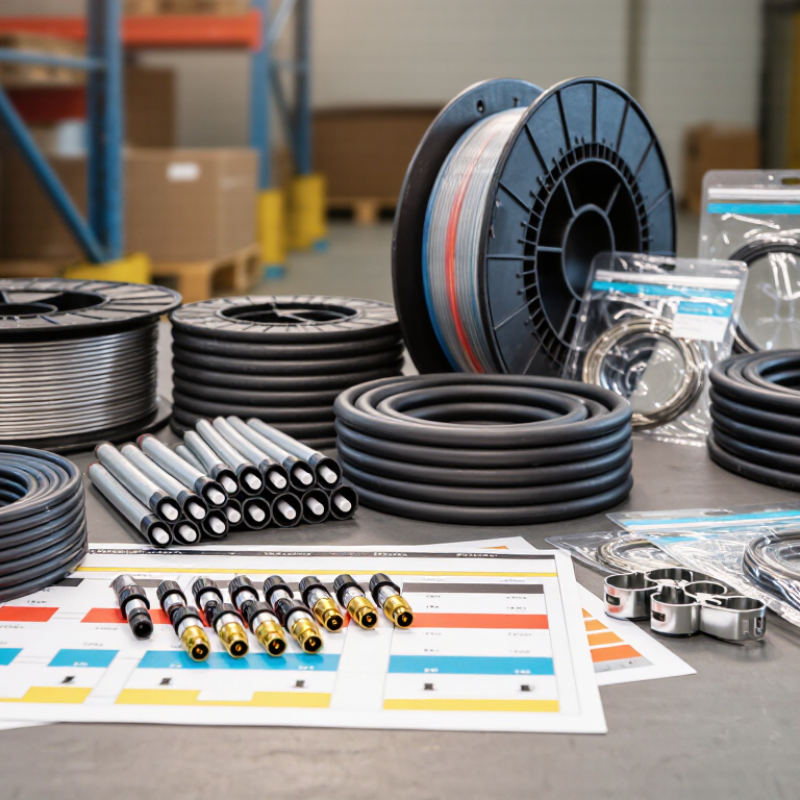
A cable drop fiber optic cable is the final optical link between a local distribution point and a home or small business. It carries data as pulses of light through fine glass fibers, rather than electrical signals through copper wire. The drop cable covers the last stretch, often from a street-side terminal to an exterior wall. It may hang overhead, follow a building surface, or run inside a protective underground duct. Short route. Real weather. Its outer jacket helps resist moisture and sunlight, while strength members reduce stretching during installation. The glass fiber remains delicate, so sharp bends and crushing pressure can cause trouble.
A typical drop cable contains one or more fibers, protective coatings, and reinforcing elements. Some designs have a flat profile for tidy routing; others are round or self-supporting for different installation paths. Connector type and fiber specification must match the network and termination equipment. That detail matters. A cable may look like a thin black line, yet its bend radius and wall-entry seal still affect reliability. Similar-looking cables are not automatically interchangeable. Before choosing one, check the route length, mounting conditions, UV exposure, and equipment compatibility. Product specifications can be incomplete, so request clear test information and installation guidance. Field conditions vary, and a neat drawing may not show every tight corner or exposed section.
China Top 10 Cable Drop Fiber Optic Manufacturers
China’s drop-fiber cable industry is a supply chain, not a single factory segment. Upstream suppliers provide optical fiber, strength members, and protective materials. Cable makers combine these into flat, round, or self-supporting designs. Installers then route the cable from distribution points to buildings and homes. The chain is layered.
The Ministry of Industry and Information Technology reported 64.32 million kilometers of optical cable lines in China at the end of 2023, up 4.7% year over year. This figure covers the wider telecom network, not drop cable alone. That distinction matters. Manufacturers may compete on bend performance, tensile strength, sheath durability, and delivery consistency, while buyers also assess compatibility with connectors and installation methods. A product can look similar on paper, yet behave differently around a tight corner or exposed wall.
Tips: When comparing suppliers, request test reports for the exact cable construction, not a general product family. Check fiber count, minimum bend radius, and outdoor protection. Field feedback is useful, but it can be uneven; one installer’s experience may not represent every route.
When evaluating Chinese cable drop fiber optic manufacturers, look beyond catalog prices. Confirm the cable structure, fiber type, jacket material, and available span options match your installation. Ask for a current specification sheet and test records for the exact product, not a similar model. A clear answer matters. Check whether samples can be inspected for dimensions, print markings, and jacket consistency. These small details can reveal gaps between a quotation and production.
Tips: Request a sample and compare it with the written specification. Keep questions specific. Ask how the manufacturer handles changes in raw materials, production checks, and shipment schedules.
Review quality controls, traceability, and communication before placing a large order. A useful supplier can explain how batch numbers connect to inspection records and how defects are handled. Verify stated capacity through a factory visit or a documented remote audit when practical. Lead times deserve scrutiny, too; confirm what they include and how delays are reported. Compare quotations on the same technical basis, including packaging and testing. Low prices may be reasonable, but unexplained differences need questions. No checklist is perfect. Even careful buyers can miss details, so record assumptions and revisit them before approval.
China Top 10 Cable Drop Fiber Optic Manufacturers
Profiles of ten leading Chinese cable drop fiber optic manufacturers are most useful when they compare capabilities, not slogans. Some factories focus on flat drop cables for compact routing; others offer round designs for tougher outdoor runs. Check whether each profile explains fiber types, jacket materials, tensile ratings, and permitted bend radius. Small print matters. A clear specification sheet makes product comparisons more reliable than a broad claim of “high quality.”
Look for evidence of routine testing, such as attenuation measurements, dimensional checks, and inspection records for finished reels. Ask how production batches are traced and how sample results match later orders. These details can reveal whether a supplier serves installation contractors, distributors, or project-specific requirements. A polished profile alone proves little, and public information may leave gaps. Treat missing test details as a question to verify, not an automatic disqualification.
Tips: Request a sample and its test report before comparing quotations. Check cable markings, reel length, jacket condition, and connector compatibility. Confirm packaging and delivery expectations in writing. The cheapest option may not be the easiest to install.
Anonymous product-profile overview. The entries below describe representative drop-cable designs, not ranked or verified profiles of specific manufacturers. Actual specifications vary by product and project; confirm performance and compliance in the applicable product datasheet.
| Profile | Drop Cable Design | Typical Fiber Count | Fiber Options | Strength-Member Arrangement | Jacket Options | Typical Installation Use | Standards Reference |
|---|---|---|---|---|---|---|---|
| Profile 01 | Flat, figure-eight self-supporting drop cable | 1–2 fibers | Single-mode, commonly G.657.A1 or G.657.A2 | Two non-metallic strength members with a separate messenger section | Outdoor-grade PE; LSZH versions may be specified for indoor sections | Aerial access connections between a distribution point and a building | Applicable parts of the IEC 60794 series; fiber type per ITU-T G.657 |
| Profile 02 | Flat, non-metallic reinforced drop cable | 1–4 fibers | Single-mode, commonly G.657.A1 or G.657.A2 | Parallel FRP or other specified non-metallic rods | PE for outdoor use; LSZH for indoor-rated versions | Indoor routing, façade runs, and short access links where non-metallic reinforcement is specified | Applicable parts of the IEC 60794 series; fiber type per ITU-T G.657 |
| Profile 03 | Flat, metal-reinforced drop cable | 1–4 fibers | Single-mode, commonly G.657.A1 or G.657.A2 | Parallel steel wires or steel strength elements | Outdoor-grade PE or another jacket material specified for the installation | Aerial or exterior access routes where metallic reinforcement is permitted | Applicable parts of the IEC 60794 series; installation requirements depend on the project |
| Profile 04 | Round, compact access drop cable | 1–2 fibers | Single-mode, commonly G.657.A2 | Central or longitudinal non-metallic strength members | LSZH for specified indoor use; PE for outdoor use | Indoor pathways, apartment distribution, and short final connections | Applicable parts of the IEC 60794 series; fiber type per ITU-T G.657 |
| Profile 05 | Micro-duct drop cable | 2–12 fibers, depending on cable design | Single-mode, typically G.657.A1, G.657.A2, or G.652.D as specified | Strength members and compact core designed for the specified duct system | Jacket compound selected for the installation environment and duct requirements | Blown or pulled installation in compatible microduct systems | Applicable parts of the IEC 60794 series; confirm compatibility with the duct system |
| Profile 06 | Ribbon-based access drop cable | 4–12 fibers, depending on ribbon configuration | Single-mode fibers, with type selected for the network design | Longitudinal strength members around a compact ribbon core | Outdoor PE or indoor LSZH, as specified for the route | Higher-fiber-count access links where ribbon handling or mass-splicing is required | Applicable parts of the IEC 60794 series; fiber type per the project specification |
| Profile 07 | Armored flat drop cable | 1–4 fibers | Single-mode, commonly G.657.A1 or G.657.A2 | Strength members combined with a specified metallic armor layer | Outdoor-grade jacket selected for exposure and mechanical protection needs | Access routes requiring additional protection from crushing or external damage | Applicable parts of the IEC 60794 series; armor and route requirements are design-specific |
| Profile 08 | Dielectric self-supporting drop cable | 1–4 fibers | Single-mode, commonly G.657.A1 or G.657.A2 | All-dielectric strength elements; no metallic messenger | Outdoor-grade PE or another specified weather-resistant compound | Aerial routes where an all-dielectric cable construction is required | Applicable parts of the IEC 60794 series; aerial design must match project loading requirements |
| Profile 09 | Indoor/outdoor transition drop cable | 1–4 fibers | Single-mode, commonly G.657.A2 for compact routing | Non-metallic or metallic strength elements, depending on the specified design | Jacket selected for the intended indoor/outdoor application and fire-safety requirements | Continuous routes that transition from an exterior entry point to indoor termination | Applicable parts of the IEC 60794 series; indoor fire performance must be separately specified |
| Profile 10 | Multi-fiber flat access drop cable | 4–12 fibers | Single-mode; G.657 or G.652.D options depend on the network design | Parallel strength members sized for the cable construction | PE for outdoor use or LSZH for specified indoor applications | Multi-subscriber distribution or access links needing more fibers in one cable | Applicable parts of the IEC 60794 series; fiber type per ITU-T G.652 or G.657 |
When comparing China’s cable drop fiber optic manufacturers, look beyond price and catalog photos. Check whether the supplier can explain fiber type, cable structure, tensile limits, and installation conditions in plain terms. Ask for current test reports that match the exact model you plan to buy. Details matter.
Compare samples under realistic conditions. Inspect the jacket for even thickness, check connector fit, and ask how performance is tested after temperature or bend exposure. Request traceable batch records and clear acceptance criteria. A polished datasheet helps, but it does not prove consistent production. Ask for evidence.
Review how the manufacturer handles changes and problems. Can it confirm lead times, packaging, and custom specifications in writing? Ask what happens if a sample differs from a production batch. A trial order can reveal more than a long sales call, though one batch cannot guarantee future consistency. Compare written answers across suppliers, and note where details remain vague. That small comparison takes time, but it can prevent costly mismatches on site.
Join our mailing list to receive the latest news and updates from our team.