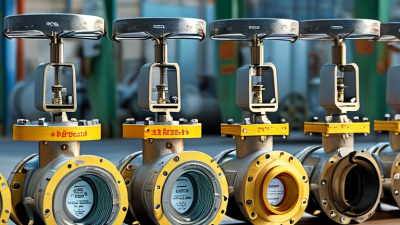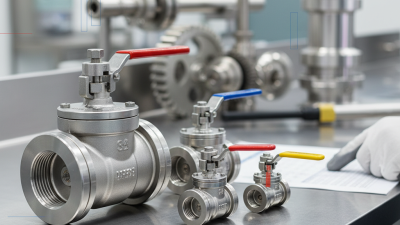
China Top 10 4 Inch Butterfly Valve Suppliers

China’s valve industry serves water treatment, building services, power generation, and process plants. For buyers comparing China Top 10 4 Inch Butterfly Valve Suppliers, the challenge is not simply finding a low quotation. It is checking whether the product fits the pipeline, operating conditions, and maintenance plan.

Industry reports offer useful context. MarketsandMarkets’ Industrial Valves Market research tracks demand across sectors such as water and wastewater, oil and gas, and energy. These broad market figures do not prove that any individual supplier is reliable. Still, they explain why buyers should examine manufacturing capacity, material traceability, pressure ratings, and inspection records. Details matter. A four-inch valve may look standard on a drawing, yet its body material, seat design, and connection type can affect installation and service life.

This guide introduces ten Chinese suppliers and outlines practical points for comparing them. Look for clear technical datasheets, relevant quality certifications, documented testing, and responsive engineering support. Ask how each supplier verifies dimensions and leakage performance before shipment. Requesting recent inspection records can reveal more than polished product photos. Not every listing provides equal evidence. That is worth remembering. The phrase 4 butterfly valve appears in searches for compact flow-control products, but buyers should confirm the exact nominal size and applicable standard with the manufacturer. A careful comparison helps turn a supplier shortlist into a more informed purchasing decision.
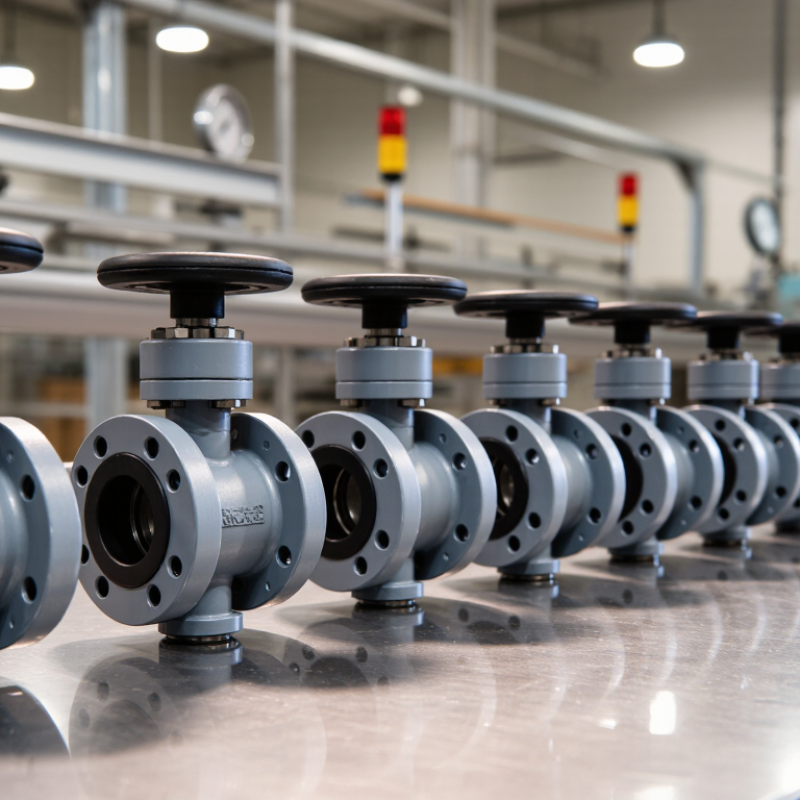
China Top 10 4 Inch Butterfly Valve Suppliers

Understanding 4-Inch Butterfly Valves and Their Applications

A 4-inch butterfly valve usually corresponds to DN100, with a quarter-turn disc controlling flow. Its compact body saves space around pumps, tanks, and pipe racks. In water systems, this size often handles isolation rather than precise throttling. The choice still depends on pressure, temperature, media, and operating cycles.

The United Nations World Water Development Report 2024 states that agriculture accounts for about 70% of global freshwater withdrawals. This explains the demand for reliable valves in irrigation and treatment networks. A resilient seat, corrosion-resistant disc, and properly sized actuator can reduce leakage and maintenance. Yet a larger actuator is not always better. Excess torque may damage the stem or seat.

API 609 and AWWA C504 provide useful design references for butterfly valves. Buyers comparing China’s top 10 4-inch butterfly valve suppliers should request pressure-test records, material certificates, cycle-test results, and traceable inspection data. ISO 5211 helps confirm actuator mounting compatibility. Field experience matters here. A valve can pass a factory test and still fail after poor alignment or unsupported piping. That detail is easy to miss. Selecting EPDM, NBR, PTFE, or metal seating should match the actual fluid, not a generic catalog label. Performance claims also need context. Flow rate, shutoff class, installation position, and maintenance conditions should appear in the technical offer.

Understanding 4-Inch Butterfly Valves and Their Applications

The chart compares the approximate internal cross-sectional area of common ASME B36.10M NPS pipe sizes. A 4-inch butterfly valve corresponds to NPS 4 and DN100, with the calculation based on the standard NPS 4 Schedule 40 pipe inside diameter of approximately 4.026 inches.

The displayed areas are calculated from standard Schedule 40 pipe inside diameters using A = πd²/4. Actual butterfly-valve flow capacity depends on pipe schedule, valve disc design, pressure rating, media, and the valve flow coefficient (Cv).

Key Criteria for Evaluating Chinese Butterfly Valve Suppliers

When evaluating Chinese suppliers for a 4 inch butterfly valve, start with evidence, not polished catalog photos. Ask for material certificates, pressure-test records, and clear product drawings. The valve body, disc, stem, and seat should match the intended media and operating temperature. Paperwork matters.

Check whether the supplier follows recognized quality and manufacturing standards. Request dimensional inspection reports for DN100 valves, including flange alignment and face-to-face measurements. A reliable factory should explain its testing process, equipment calibration, and batch traceability. Photos of hydrostatic testing can help, but witnessed inspection provides stronger confidence. Test it properly.

Supplier experience also affects project risk. Review export history, production capacity, quality staff, and response times for technical questions. Ask for a sample valve or a small trial order before committing to larger quantities. Compare lead time, packaging, spare parts, warranty terms, and after-sales support, rather than focusing only on price. A low quote can look attractive; however, I have seen small sealing defects create costly delays during installation. That lesson is easy to overlook.

Factory audits can reveal details that documents hide, such as poor storage, mixed materials, or inconsistent assembly practices. Still, an audit is only a snapshot. Keep communication records and define acceptance criteria in writing. Some suppliers may promise faster delivery than their capacity allows, so production schedules should be checked against actual orders and inspection points. Reliability grows through repeated verification, not confident promises.

Profiles of China’s Top 10 4-Inch Butterfly Valve Suppliers

China’s top 10 4-inch butterfly valve suppliers differ in engineering depth, testing discipline, and export experience. These profiles focus on practical strengths rather than attractive catalogs. Supplier 1 specializes in wafer valves for water treatment, with ductile iron bodies, EPDM seats, and pressure-test records. Supplier 2 serves chemical processing and offers stainless steel discs with PTFE lining. Material certificates matter here.

Supplier 3 builds lug-style valves for compact industrial pipelines and supports manual, pneumatic, and electric actuation. Supplier 4 focuses on fire-protection systems, where clear markings and repeatable shutoff performance are essential. Supplier 5 provides customized stem lengths and flange patterns for older equipment. That flexibility can reduce field modifications.

Supplier 6 emphasizes automated production and records torque data during assembly. Supplier 7 has stronger experience with marine and coastal projects, using corrosion-resistant coatings. Supplier 8 supplies high-cycle valves for HVAC and chilled-water networks. Supplier 9 is known for shorter lead times and small-batch orders, though capacity should be checked during peak seasons. Supplier 10 combines inspection support with overseas technical communication.

A reliable evaluation should include factory audits, sample testing, coating checks, and seal compatibility reviews. Ask for cycle-test results, not only brochures. No supplier is flawless. Some have excellent machining but limited documentation; others communicate well but need closer inspection of rubber components. Real project references, traceable materials, and responsive after-sales service reveal more than a polished website.

China Top 10 4 Inch Butterfly Valve Suppliers - Profiles of China’s Top 10 4-Inch Butterfly Valve Suppliers

Supplier names and company-specific claims are intentionally omitted. The table below summarizes ten practical supplier-evaluation areas and relevant, commonly used valve specifications; actual availability and compliance should be confirmed with each supplier.

No. Supplier Evaluation Area Useful 4-Inch Reference What to Confirm with the Supplier
1 Nominal size and face-to-face dimensions NPS 4 corresponds to DN 100 nominal size. Face-to-face dimensions depend on the valve design and applicable standard. Request a dimensioned drawing and confirm compatibility with the pipework and installation standard.
2 Valve design and applicable product standard API 609 and EN 593 are commonly referenced standards for butterfly valves. Check the offered design category, standard edition, and whether the product documentation matches the order.
3 Pressure class and end connection Common connection and rating options include wafer, lug, and flanged designs; examples include PN 10/16 and ASME Class 150. Verify the required flange drilling, pressure-temperature rating, and compatibility with the mating flanges.
4 Body material options Common body materials include ductile iron, cast iron, carbon steel, and stainless steel. Request material grades and certificates; select materials for the fluid, temperature, pressure, and environment.
5 Disc and stem materials Disc and stem alloys vary by design and service; stainless-steel options are commonly specified for corrosion resistance. Confirm exact material grades, trim configuration, and suitability for the process medium.
6 Seat and sealing material Elastomer seats such as EPDM and NBR are common options; PTFE-based and metal seats are also used in particular designs. Check chemical compatibility, operating temperature limits, and the specified leakage or shutoff requirement.
7 Operation and actuation A 4-inch valve may be operated with a lever, gearbox, pneumatic actuator, or electric actuator, depending on design and duty. Confirm operating torque, actuator sizing, control requirements, and mounting-interface details.
8 Testing and inspection API 598 is a commonly used valve inspection and testing standard; the purchase specification determines applicable tests. Request the test procedure and reports, and clarify shell, seat, and any additional inspection requirements.
9 Quality documentation and traceability Documentation may include material certificates, inspection records, dimensional drawings, and test reports. Agree on required records, identification and traceability, and document submission timing before production.
10 Quotation, delivery, and after-sales support Lead time, warranty terms, spare-parts availability, and export packaging vary by order and supplier. Obtain written confirmation of delivery schedule, warranty coverage, packaging, and technical support arrangements.

Note: Pressure ratings, materials, dimensions, and temperature limits are design-dependent. Verify the latest applicable standards and the supplier’s certified data for the exact valve configuration.

Comparing Product Quality, Certifications, Pricing, and Delivery

China Top 10 4 Inch Butterfly Valve Suppliers

Comparing Product Quality, Certifications, Pricing, and Delivery

A serious comparison of China’s top 10 four-inch butterfly valve suppliers should begin with product evidence, not catalog photos. Check body material, disc finish, seat compound, shaft design, and pressure rating. A sample valve should open smoothly without sticking. Measure flange alignment and inspect the seat after repeated cycling. Small defects matter.

Certifications need careful checking. ISO 9001 supports quality management, but it does not prove every valve is reliable. Request current certificates, test reports, and traceable batch numbers. Depending on the project, EN, API, or other regional standards may apply. Confirm the certificate scope. Some documents look impressive but cover a different product range.

Pricing should include testing, packaging, spare parts, and shipping terms. The cheapest quotation may hide thinner materials or limited inspection. Delivery promises also need detail. Ask for production time, inspection dates, export packing, and a remedy for delays. In one comparison, the lowest offer excluded actuator testing and wooden cases. That changed the real cost. Delivery remains uncertain. A written schedule helps, but factory capacity can still shift during peak periods. A practical scorecard can compare quality, certification validity, landed price, communication, and delivery performance without trusting one attractive number.

How to Choose the Right Chinese Supplier for Your Project

China Top 10 4 Inch Butterfly Valve Suppliers

How to Choose the Right Chinese Supplier for Your Project

Choosing a Chinese supplier requires more than comparing catalog prices. Define the valve’s medium, pressure class, temperature, body material, and connection standard. A 4-inch valve for chilled water may fail in abrasive slurry. Ask for drawings, material certificates, pressure-test records, and a traceable inspection process. Request a sample data sheet, not just a polished quotation.

Experience becomes visible in practical details. Can the supplier explain seat selection for low temperatures? Can engineers confirm shaft material and actuator torque calculations? Visit the factory if possible, or arrange a live video inspection of machining, assembly, and testing. Check whether serial numbers connect each valve to inspection records. Independent testing can strengthen confidence when the application is critical.

Do not judge quality from photographs. They can hide weak coating, rough flange faces, or inconsistent packing. Compare delivery terms, spare-part availability, warranty language, and communication speed. Ask how nonconforming valves are handled, and record every answer. A supplier may promise fast production, yet capacity changes during peak seasons. I have seen projects focus on unit price and later absorb costly delays. That mistake is easy to repeat. Leave room for a trial order, although a small order may not reveal long-term performance.

Subscribe To Our Newsletter

Join our mailing list to receive the latest news and updates from our team.

You have Successfully Subscribed!