Why Choose PVC Foam Board for Your Projects?
PVC Foam Board has become a popular choice among various industries for numerous applications. This versatile material is lightweight yet durable, making it suitable for both indoor and outdoor projects. Many professionals prefer PVC Foam Board due to its excellent resistance to moisture, chemicals, and UV light. This allows for longevity and low maintenance in different environments.
As you consider options for your projects, understanding the benefits of PVC Foam Board is crucial. Its versatility allows for easy cutting, shaping, and printing. Moreover, its smooth surface provides a great canvas for high-quality graphics and finishes. However, some users may overlook its specific application limits. While it is water-resistant, prolonged exposure to water can still cause issues.
The reliability of PVC Foam Board stems from its manufacturing processes. Many manufacturers adhere to strict quality standards, ensuring that the boards meet industry expectations. However, not all products are created equal. It's vital to research and identify reputable suppliers to avoid subpar materials. In doing so, you can ensure that your projects not only look good but also stand the test of time.
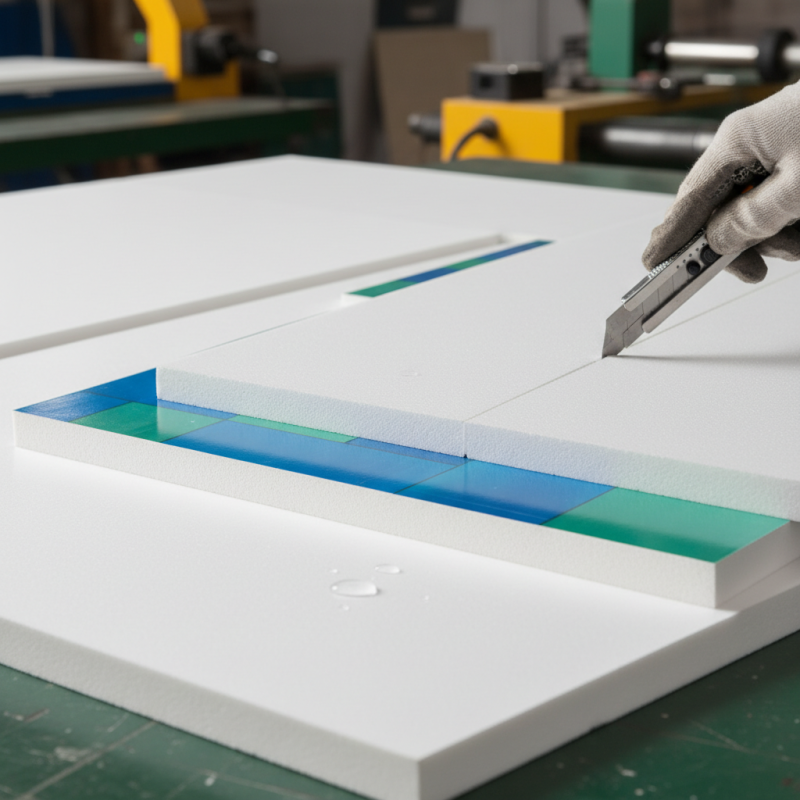
Benefits of PVC Foam Board in Construction and Interior Design Projects
PVC foam board has gained popularity in construction and interior design due to its unique properties. One significant advantage is its lightweight nature, making it easy to handle and install. According to a report by MarketsandMarkets, the market for PVC foam sheets is projected to grow by 6.1% annually. This growth speaks to its increasing acceptance and application across various sectors.
Moreover, PVC foam board is resistant to moisture and weather elements. This resistance enhances durability, particularly in environments exposed to humidity or extreme conditions. Studies show that constructions using PVC boards maintain their integrity longer than traditional materials. However, challenges such as limited heat resistance can arise. Designers must consider how these limitations impact long-term applications.
The versatility of PVC foam board is another compelling reason for its use. It can be easily cut, manipulated, and printed on, enabling customization in design projects. Its ability to mimic more expensive materials provides cost-effective solutions. Yet, not every application will suit PVC foam boards. Understanding the specific needs of a project is crucial before choosing this material.
Durability and Weather Resistance: Key Advantages of PVC Foam Board
PVC foam board has gained recognition in construction and design due to its remarkable durability. According to a study by the Plastics Industry Association, PVC products can last for over 30 years under normal conditions. This longevity makes them ideal for both interior and exterior applications. With its closed-cell structure, PVC foam board resists moisture and humidity effectively, preventing warping and rotting that often plague traditional wood products.
Weather resistance is another key advantage. Research from the American Society for Testing and Materials shows that PVC foam boards maintain strength across varying temperatures. They do not crack or fade when exposed to UV radiation, unlike many other materials. This feature is crucial for outdoor signage or cladding where visual appeal and structural integrity are essential. Real-world projects have showcased these benefits, although some users report challenges in handling and cutting. This inconsistency highlights the need for proper tools and techniques to maximize performance.
Choosing PVC foam board can enhance project outcomes significantly, offering both durability and weather resistance. However, attention to detail during installation is vital for achieving the best results. Understanding these factors can help professionals and DIY enthusiasts make informed decisions.
Durability and Weather Resistance of PVC Foam Board
Comparative Cost Analysis: PVC Foam Board vs. Alternative Materials
When considering materials for projects, cost is a significant factor. PVC foam board often presents a more attractive price point compared to alternatives like plywood or metal sheets. Its versatility allows for various applications, from signage to cabinetry. The lightweight nature of PVC foam board also reduces shipping costs, which can lower overall expenses.
However, while PVC foam board is affordable, it may not always be the best option for durability. In some situations, more robust materials might be necessary for long-lasting results. Yet, for temporary displays or indoor use, PVC foam board performs admirably. It's essential to evaluate the project's specific requirements and budget constraints.
The perceived value of PVC foam board is a plus. It often provides a greater return on investment due to its ease of installation and maintenance. While some may argue that alternative materials offer greater resilience, the long-term savings from using PVC foam board can be significant. Thoughtful consideration of material choices can lead to more informed decisions in your projects.
Sustainability and Environmental Impact of PVC Foam Board Usage
PVC foam board is gaining attention for its environmental impact. Manufacturing of PVC foam boards has significantly improved. According to the Plastics Industry Association, PVC foam board production now generates approximately 20% less carbon dioxide compared to previous years. These advancements help reduce greenhouse gas emissions, which is crucial in the fight against climate change.
In addition, the recyclability of PVC foam board is noteworthy. Studies from the European Plastics Converters indicate that nearly 60% of PVC products are recyclable. This means that when these boards reach their end-of-life, they can be repurposed. However, the actual recycling rates remain much lower, highlighting a need for better infrastructure and awareness.
Despite these positive aspects, challenges surrounding the use of PVC foam board persist. Sources suggest that while the material is durable and versatile, potential environmental concerns related to its production and disposal still exist. There is ongoing debate about the long-term effects of PVC on ecosystems. Awareness of these issues is essential as demand for sustainable materials continues to rise.
Applications of PVC Foam Board in Various Industries and Creative Projects
PVC foam board is gaining popularity across various industries due to its versatility and unique properties. In advertising, it serves as an effective medium for creating vibrant signage and displays. Its lightweight nature allows for easy installation, while its durability ensures longevity. The smooth surface is ideal for printing vivid graphics that capture attention in busy environments.
In creative projects, artists and designers use PVC foam board for prototypes, models, and backdrops. It provides a clean and professional look at a fraction of the weight of traditional materials. Many crafters appreciate its ease of cutting and shaping, making it perfect for DIY projects. For instance, unique jewelry holders or custom displays can be crafted with minimal tools.
However, working with PVC foam board can present challenges. Proper cutting techniques are essential to avoid fraying edges. Finishing may require additional steps to achieve desired aesthetics. Ensuring environmental safety is also crucial, as improper disposal can be harmful. These factors necessitate reflection on sustainable practices within creative processes. Overall, PVC foam board proves to be a valuable resource in various fields, but users must navigate its complexities thoughtfully.
Why Choose PVC Foam Board for Your Projects? - Applications of PVC Foam Board in Various Industries and Creative Projects
| Application Area | Key Benefits | Typical Uses |
| Signage | Durable, lightweight, weather resistant | Outdoor and indoor signs, displays |
| Construction | Easy to cut, moldable, good insulation | Wall panels, partition boards, ceilings |
| Commercial Displays | High quality finish, versatile, customizable | Trade show displays, product stands |
| Arts and Crafts | Lightweight, easy to paint, easy to work with | Model making, artistic projects, educational displays |
| Transportation | Strong, resistant to chemicals, impact resistant | Interior cladding in vehicles, lightweight partitions |