How to Choose a Regulated Power Supply for Your Needs?
Choosing the right Regulated Power Supply is crucial for various applications. It impacts efficiency, safety, and performance. According to a report by MarketsandMarkets, the global power supply market is expected to reach $30 billion by 2025, demonstrating significant growth. This underscores the need for businesses to carefully evaluate their power supply options.
Understanding your specific requirements is critical. For example, consider voltage, current ratings, and the application environment. A well-chosen Regulated Power Supply ensures reliable operation in sensitive electronic devices. However, many still overlook the importance of load regulation and noise specifications, leading to operational issues.
In the industry, 40% of users report challenges with non-compliant power supplies. These challenges can lead to equipment failures and inefficiencies. Therefore, investing time in researching and selecting the appropriate Regulated Power Supply can save time and costs in the long run. Take the necessary steps to ensure optimal performance and reliability for your needs.
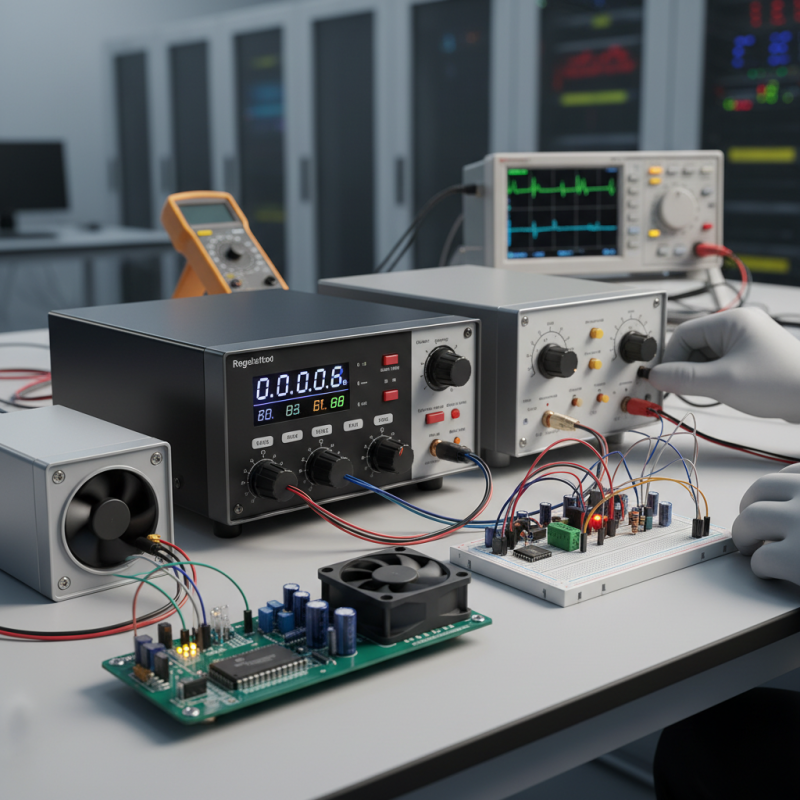
Understanding the Importance of Regulated Power Supplies in Electronics
Regulated power supplies play a crucial role in electronics. They provide stable voltage and current, which are essential for device performance. According to industry reports, nearly 70% of electronic failures can be traced back to inadequate power supply. This underscores the importance of selecting the right power supply for your needs.
When choosing a regulated power supply, consider the voltage and current requirements of your devices. Over-voltage can damage components, while under-voltage can cause failures. A well-regulated power supply minimizes these risks.
Tips: Always check the load capacity. Excessive load can lead to overheating and reduced lifespan. Also, evaluate the power supply's efficiency. Higher efficiency means less energy waste. Regularly review your power supply needs, especially with new devices added to your setup.
Power Supply Voltage Regulation Across Different Load Conditions
Key Specifications to Consider When Selecting a Power Supply Unit
When selecting a regulated power supply, understanding key specifications is crucial. Output voltage is one of the primary factors. It should match your device's requirements. Too high or too low voltage can harm your equipment. Consider the current rating as well. Ensure it can provide sufficient current for all your components. Insufficient current can lead to poor performance or failure.
Another important aspect is the power supply's efficiency. A higher efficiency rating means less energy waste and lower heat generation. This can extend the lifespan of the unit. Pay attention to the form factor as well. It should fit into your workspace or equipment setup easily. A bulky unit may cause space issues.
Don't forget about protection features. Overvoltage, overcurrent, and short-circuit protections are essential for safety. Sometimes, it’s easy to overlook these details. Investing time in research can prevent future headaches. Ask questions. Read the specifications carefully. Choose wisely to ensure reliability in your projects.
How to Choose a Regulated Power Supply for Your Needs? - Key Specifications to Consider When Selecting a Power Supply Unit
| Specification | Description | Importance |
| Output Voltage | The voltage level that the power supply provides (e.g., 5V, 12V, 24V). | Critical for matching the power supply to your device. |
| Output Current | Maximum current the power supply can deliver (e.g., 1A, 3A). | Ensures the power supply can meet the load requirements. |
| Efficiency Rating | The ratio of output power to input power (e.g., 85%, 90%). | Higher efficiency reduces energy waste and heat generation. |
| Regulation Type | Type of regulation used (e.g., linear, switching). | Affects the performance and noise level of the power supply. |
| Protection Features | Built-in protections (e.g., short-circuit, overvoltage). | Safeguards your devices from damage due to power issues. |
| Form Factor | Physical dimensions and mounting options (e.g., enclosed, open frame). | Must fit in your application’s space requirements. |
Comparing Linear and Switching Power Supplies for Efficiency and Performance
When choosing a power supply, understanding linear versus switching types is crucial. Linear power supplies provide stable voltage. They operate by dissipating excess voltage as heat. This simple design means less noise. However, they are inefficient. They can waste a lot of energy, especially when converting high voltage. This inefficiency can generate significant heat that needs managing.
On the other hand, switching power supplies are more efficient. They convert voltage using rapid switching techniques. This design allows for smaller, lightweight units. However, they can introduce electrical noise into circuits. For sensitive electronics, this noise might affect performance. The balance between noise and efficiency is vital.
Each power supply type has its strengths and weaknesses. The choice depends on specific needs and applications. Consider what you prioritize: stability, size, or efficiency. Reflect on your environment too. A noisy device may not suit a delicate setup. Assessing these factors is essential.
Evaluating Output Voltage and Current Requirements for Your Application
When choosing a regulated power supply, output voltage and current requirements are critical. Voltage is fundamental for compatibility with your devices. Too high a voltage can damage equipment. Too low, and the device may not function. Evaluating the specified voltage range of your application ensures safety and efficiency. Make sure to check the manufacturer's recommendations.
Current capacity is equally important. Each device has a specific current demand. Underestimating this can lead to unreliable performance. If your power supply cannot provide enough current, it may cause fluctuations. This may lead to overheating or failures. Take time to assess peak and continuous current needs. Understand that some devices may have fleeting demands.
Consider the environment as well. Heat and strain can affect performance. High temperatures can lead to lower efficiency. Look for power supplies with good thermal management features. It’s also wise to think about future needs. Oversizing your power supply can be wasteful. But an undersized unit will lead to problems. Reflections on these factors can guide your decision-making process effectively.
Industry Standards and Certifications for Regulated Power Supplies
When selecting a regulated power supply, it's crucial to understand industry standards and certifications. These guidelines ensure safety and efficiency. Look for certifications such as UL, CE, and FCC. These mark that the product has met specific safety criteria. It often indicates a quality guarantee, but it’s essential to read reviews and feedback. Not all products labeled with these certifications adhere to their standards.
Additionally, consider the input and output specifications. Assess voltage ranges, amperage, and ripple. A power supply might look certified but deliver fluctuating voltage. This could harm delicate equipment. Some regulations focus on electromagnetic interference, others on thermal performance. Verify these factors to avoid future issues. Test the power supply in your environment before complete integration. It's wise to have a backup plan in case of efficiency failures. Balancing certifications with real-world tests is key to making a reliable choice.