
Why Choose a Skin Analyzer Distributor for Global Sourcing?
Global sourcing becomes more practical when a Skin Analyzer Distributor understands both technology and local market realities. A reliable distributor does more than ship devices. They verify sensor performance, explain software functions, and provide training for salon teams, clinics, and retail staff. They can also help buyers compare imaging systems, moisture sensors, sebum readings, and UV photography before a purchase is approved.
Skin needs vary widely.
As dermatologist and skin-care researcher Dr. Leslie Baumann has said, “There is no such thing as a one-size-fits-all skincare product.” The same principle applies to skin analysis equipment. A distributor should assess climate, customer profiles, language settings, electrical standards, data protection practices, and service expectations. In humid Singapore, moisture readings may require different interpretation than in dry northern Europe. A trained distributor can demonstrate these differences using real consultation screens and sample reports.
Experience matters.
A dependable Skin Analyzer Distributor offers installation guidance, calibration support, spare parts, and clear warranty terms. They should explain what the device can measure, and what it cannot prove. That honesty protects buyers from exaggerated claims. It also supports responsible consultations.
No distributor is perfect. Response times may vary, and software updates can create frustration. However, transparent communication is a useful test. Ask for references, training records, product documentation, and after-sales procedures. Global sourcing should not be judged by price alone. The strongest choice combines technical competence, practical support, and evidence-based communication. That balance can reduce purchasing risk and build trust with every customer who sits before the analyzer.
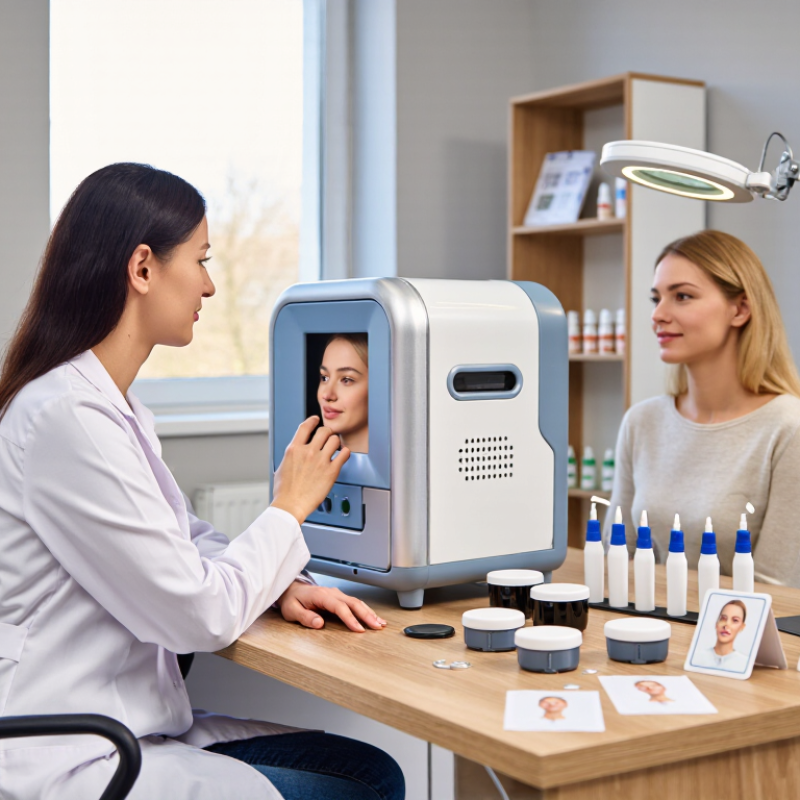
A skin analyzer distributor is a specialized business that connects manufacturers with clinics, salons, retailers, and professional buyers across different markets. It does more than move cartons across borders. A capable distributor studies local demand, explains device functions, and supports purchasing decisions with practical information. In global sourcing, this role can reduce communication gaps and make technical products easier to evaluate. The distributor may also coordinate shipping documents, installation guidance, training, warranty communication, and after-sales service. These details matter when a device arrives in a busy clinic.
Experienced distributors usually understand imaging systems, skin assessment workflows, and basic data protection expectations. They should explain what the analyzer measures, how lighting affects results, and which claims require caution. Clear specifications are essential. Buyers should receive information about sensors, software compatibility, calibration, maintenance, and user training. A reliable distributor will not promise instant diagnosis from a cosmetic analysis tool. That distinction protects professional trust and helps users communicate responsibly with clients. Ask for test procedures and service records.
However, a distributor is not automatically an expert. Some rely heavily on sales sheets and provide limited technical support. This is where careful sourcing becomes necessary. Request sample reports, response times, training plans, and written warranty terms. Check whether support continues after delivery. Small gaps can become expensive delays. Honest distributors should admit product limitations, including occasional inconsistent readings. That honesty may feel less impressive, but it gives buyers a more realistic basis for selecting equipment across markets.
A skin analyzer distributor can make global sourcing more practical. Their service often begins with supplier screening and product matching. They compare camera resolution, lighting systems, software functions, and measurement consistency. Experienced teams also request samples before commercial orders. This exposes weak imaging, unstable software, or unclear user instructions early. The ISO Survey 2023 recorded more than 1.26 million ISO 9001 certificates worldwide, showing why quality-system verification matters. However, certification alone does not guarantee reliable analyzer performance. Hands-on testing remains essential.
Tips: Ask for calibration records, software update policies, and test reports from independent laboratories. Request documentation for electrical safety, data protection, and local market compliance. Distributors may arrange factory audits, pre-shipment inspections, packaging checks, and translated manuals. They can also coordinate freight, customs documents, installation training, warranty handling, and replacement parts. These services reduce communication gaps across time zones. Small errors spread quickly. A wrong voltage label can delay delivery.
UNCTAD’s Review of Maritime Transport 2024 reported continued pressure on shipping routes and freight reliability. A distributor with several logistics options can therefore provide useful contingency planning. Good partners maintain traceable purchase records and clarify responsibility for defects. They should explain lead times honestly, rather than promise every request. No sourcing process is perfect. Even a successful audit can miss batch-level variation. Buyers should review performance after installation, including image repeatability, staff training, and customer feedback. This ongoing evidence supports better purchasing decisions.
Choosing a Skin Analyzer Distributor for Global Sourcing
A qualified distributor can make product selection more practical and less risky. In real purchasing projects, teams often compare screen size, camera resolution, lighting consistency, and software functions. These details affect image quality and daily workflow. A reliable distributor should explain what each feature measures, not simply present a long specification sheet. Ask for sample reports, training materials, and clear information about calibration. A device that looks impressive during a demonstration may perform differently in a busy clinic.
Compliance support is equally important. Distributors should provide technical files, user manuals, safety information, and applicable conformity documents for each target market. They can also clarify labeling, electrical requirements, warranty terms, and data-handling practices. Requirements may differ between regions. Therefore, written confirmation matters more than verbal promises. A distributor may not understand every local rule, and buyers should not assume otherwise. That weakness deserves honest discussion before payment.
Tips: Request a compliance checklist for every destination country. Confirm whether software stores facial images or personal data. Review update procedures and access controls. Ask who handles technical support after installation. Keep copies of certificates and training records. Test several devices under identical lighting conditions. Small tests reveal practical problems. Also, question unclear claims. A careful distributor welcomes detailed questions, even when the answers require further verification.
| Sourcing Stage | How a Distributor Supports the Buyer | Information and Documents to Request | Relevant Compliance Considerations | Buyer Benefit |
|---|---|---|---|---|
| 1 Requirement Definition | Translates the intended use into measurable product requirements, such as skin moisture, oil level, pigmentation, pore appearance, or surface imaging. |
| Regulatory status depends on the intended purpose and marketing claims. A cosmetic consultation tool may be treated differently from a device making diagnostic or treatment claims. | A clearer specification and fewer unsuitable product quotations. |
| 2 Technical Screening | Compares optical systems, sensors, image resolution, illumination, software functions, measurement repeatability, and user workflow across available models. |
| Performance claims should be supported by documented test methods. “Accuracy” and “repeatability” should not be accepted without defined test conditions. | More objective product comparison and better technical due diligence. |
| 3 Quality-System Review | Helps verify whether the manufacturer has documented controls for design, production, supplier management, complaint handling, and corrective actions. |
| ISO 13485 may be relevant when the product is a medical device. Certification alone does not prove that a specific product is approved in every destination market. | Lower supplier risk and improved consistency between sample and production units. |
| 4 Regulatory Classification | Coordinates an initial review of intended use, product claims, software functions, accessories, and destination-market requirements. |
| Classification is jurisdiction-specific. United States, European Union, United Kingdom, and other markets may apply different rules based on claims and risk. | Earlier identification of approval, registration, or labeling requirements. |
| 5 Safety and Risk Review | Collects available safety evidence for electrical, optical, mechanical, software, and usability risks and routes technical questions to the manufacturer. |
| ISO 14971 can apply to medical-device risk management. IEC 60601-1 and related standards may apply to medical electrical equipment, depending on classification and market. | Better control of safety gaps before import, installation, and customer use. |
| 6 Software and Data Protection | Reviews account permissions, cloud functions, image storage, software updates, data export, cybersecurity controls, and technical support responsibilities. |
| Skin images and customer records may constitute personal data. Applicable privacy obligations can include consent, transparency, security, retention, and cross-border transfer controls. | Reduced privacy exposure and clearer ownership of customer data. |
| 7 Import Documentation | Helps align commercial, shipping, and product documents before dispatch and coordinates communication among the manufacturer, freight provider, customs broker, and importer. |
| Customs and import requirements vary by destination. The importer remains responsible for using accurate declarations and meeting local obligations. | Fewer customs delays, document discrepancies, and unexpected import issues. |
| 8 Sampling and Validation | Arranges samples, demonstrations, operator training, acceptance criteria, and comparison tests before a larger purchase. |
| Validation should reflect the actual intended environment, users, skin conditions, lighting conditions, and software workflow. | Evidence-based purchasing decisions and reduced post-delivery disputes. |
| 9 Training and Market Launch | Provides installation guidance, operator training, translated materials, troubleshooting support, and procedures for handling customer complaints. |
| Product claims, instructions, and promotional materials should remain consistent with the approved or legally permitted intended use in each market. | Faster deployment, more consistent operation, and better customer support. |
| 10 Post-Market Support | Consolidates feedback, warranty cases, service requests, software issues, and field-performance information for communication with the manufacturer. |
| Medical-device markets may require formal vigilance, complaint handling, or corrective-action processes. Requirements depend on product classification and jurisdiction. | Improved lifecycle control and faster response to quality or compliance issues. |
A global skin analyzer distributor should offer more than competitive pricing. Buyers need evidence that the device performs consistently across different skin tones, climates, and salon environments. McKinsey & Company’s 2023 beauty-market report projects the global beauty industry could reach about $580 billion by 2027. This growth increases demand for reliable diagnostic tools, but it also attracts inexperienced distributors.
Evaluate technical credibility first. Ask for calibration records, testing methods, software update policies, and clear product specifications. A distributor should explain measurement limits, not promise perfect skin assessments. Check training materials, response times, warranty terms, and spare-parts availability. Data protection also matters when devices store facial images or customer profiles. The distributor must describe storage, access control, and deletion procedures in practical language.
Tips: Request a live demonstration with several volunteers. Compare readings under different lighting conditions. Ask for two or three verified customer references. Review the total cost, including shipping, installation, training, maintenance, and downtime. Grand View Research’s 2024 analysis identifies continued digitalization as a major skincare-market trend, yet adoption can fail when staff find equipment difficult to use. A simple interface may be more valuable than extra features. No distributor is flawless. Buyers should record unanswered questions and test support before signing. That small step often reveals more than a polished sales presentation.
What factors should buyers evaluate when choosing a distributor?
This 10-point buyer scorecard prioritizes regulatory readiness, measurement reliability, after-sales support, supply capability, training, data security, and total cost of ownership. Buyers should verify each score with documented evidence, product testing records, service-level agreements, and market-specific compliance documents.
A reliable global supply partnership begins with careful distributor evaluation.
A skin analyzer distributor should provide more than product brochures. They should explain device specifications, testing limits, calibration procedures, and user training clearly. Ask for calibration records, batch traceability, and a documented service process. Real evidence matters. In field evaluations, buyers can request sample reports, packaging photos, and video demonstrations. These details reveal whether the distributor understands daily clinical and retail workflows. Vague answers often indicate weak technical support.
Communication also needs structure.
Confirm response times, spare-part availability, warranty conditions, and software update procedures before placing an order. A shared checklist can prevent costly misunderstandings across time zones. The distributor should assign a trained contact for technical questions. Language support helps, but accurate records matter more. Written specifications should match the delivered equipment. This sounds obvious, yet discrepancies still occur.
Commercial terms deserve equal attention.
Compare lead times, inspection options, shipping documents, and payment milestones. A low quote may hide delayed repairs or incomplete training. That risk is easy to underestimate. Buyers should begin with a controlled pilot order and review performance after installation. Track delivery accuracy, response quality, and customer feedback. Not every partnership will work perfectly. If problems are documented early, both sides can adjust processes before larger orders create deeper losses.
Join our mailing list to receive the latest news and updates from our team.