
A Standard Conveyor can look simple on a plant floor: a belt carries cartons past workstations, or rollers move pallets toward dispatch. Yet that steady motion can shape labor needs, throughput, and the space available for other equipment. MHI’s 2024 Annual Industry Report found that 55% of respondents were increasing investment in supply chain innovation. The report also found that 88% viewed supply chain technology as a source of competitive advantage over the next five years. These figures cover a broad range of technologies, not conveyors alone. They still show why practical material flow deserves attention.
Shigeo Shingo, a manufacturing-engineering expert, warned, “The most dangerous kind of waste is the waste we do not recognize.” A poorly planned conveyor can hide waste in waiting, unnecessary transfers, and awkward handoffs. A well-matched Standard Conveyor may help make those movements more predictable. The right choice depends on real operating details: product size, peak volume, floor layout, cleaning needs, and maintenance access. No system fixes a weak process by itself. That part is easy to overlook. Before comparing models, businesses should map where items pause, turn, or pile up. That simple exercise can reveal whether a standard conveyor fits—or whether another approach deserves a closer look.
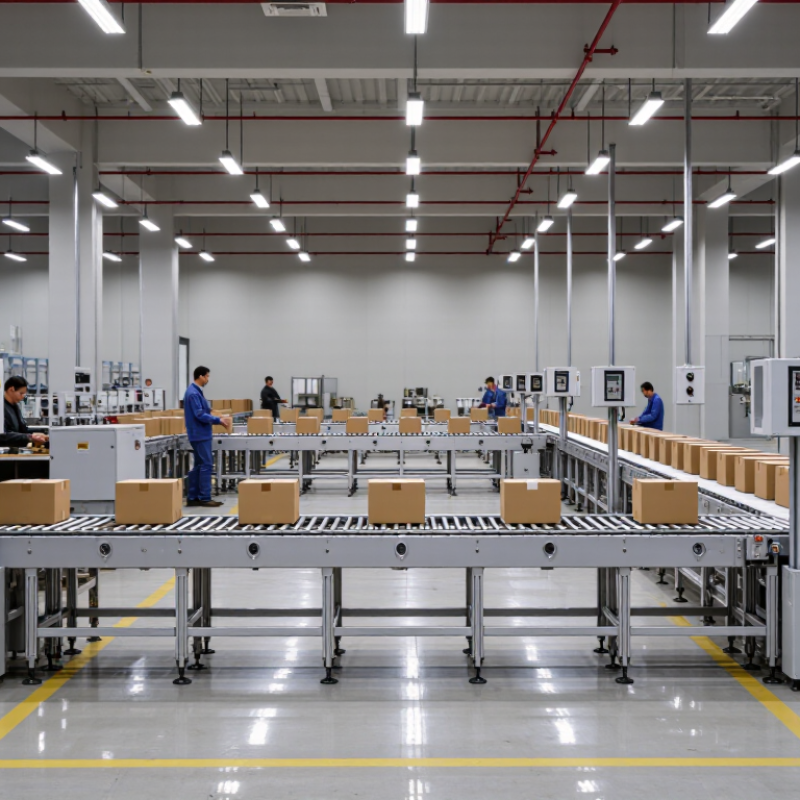
A standard conveyor moves items along a set path using a belt or rollers supported by a frame. Its main parts typically include the conveying surface, a drive system, support structure, and controls. A motor turns a drive pulley or roller, creating movement. On a belt conveyor, the belt loops around pulleys and carries products across the line. Roller conveyors use rotating rollers, often suited to cartons with flat bottoms. It moves steadily.
At the loading point, workers or upstream equipment place items onto the conveyor. The drive sets the surface in motion, while guides can help keep packages aligned. Some systems include sensors or emergency stops, but these features depend on the design. Speed, belt material, and conveyor length should match the product and working conditions. A small box may travel smoothly, while a soft bag can shift or snag.
In day-to-day use, alignment and cleanliness matter. A belt that drifts toward one side can wear unevenly, and dust around rollers may affect movement. Regular checks can reveal loose fasteners, unusual noise, or damaged surfaces before they disrupt work. Standard conveyors are straightforward, but they are not one-size-fits-all. Measuring the load and route carefully is easy to overlook.
Why Choose a Standard Conveyor for Your Business?
The Main Components of a Standard Conveyor System
A standard conveyor system is built from several parts that work together to move materials steadily. The frame supports the load and keeps the belt or rollers aligned. For a belt conveyor, the belt carries products, while drive and tail pulleys guide its path. Roller conveyors use closely spaced rollers instead. The right choice depends on product shape, weight, and how items need to move.
The drive motor provides motion, and bearings help rotating parts turn with less friction. A tensioning system keeps the belt from slipping, while tracking adjustments help prevent it from drifting sideways. Small parts matter. A sensor or control panel can start, stop, or coordinate movement with nearby equipment. Guards around pinch points also make routine operation safer.
In practice, the neat diagram rarely tells the whole story. Dust, uneven loading, or a slightly misaligned frame can cause wear and interruptions. A quick visual check may catch a loose fastener or belt edge rubbing against the frame. I would not call every standard setup simple; maintenance access and product changes deserve attention before installation. Choosing components around real working conditions usually makes the system more dependable.
Main Components of a Standard Conveyor System
This illustrative example shows the quantities in a simple 10-meter straight belt conveyor: one continuous belt loop and drive assembly, two head and tail pulleys, 20 carrying idler stations at approximately 0.5-meter spacing, and five 2-meter frame sections. Actual component quantities depend on the conveyor layout, load, and operating requirements.
A standard conveyor can handle many everyday materials, especially when loads are dry, stable, and reasonably uniform. Common examples include cartons, parcels, plastic totes, and packaged parts moving between workstations. Its belt can also carry paper goods, textiles, and light components without requiring complex handling. Small details matter. A box with a loose flap may catch at a transfer point, while a smooth container can slide if the belt runs too quickly.
Some systems are designed for bulk materials such as grain, pellets, or dry aggregates. The right belt surface, conveyor angle, and side guards depend on particle size and flow. Food ingredients may also be conveyed, but the belt and cleaning setup must suit the product and operating conditions. I would not assume that one standard configuration fits every load. Moisture, heat, sharp edges, and uneven weight can change what works; even a familiar product may behave differently when stacked or moving quickly. Checking samples and actual load dimensions before choosing a conveyor is a practical step, though it is sometimes overlooked.
| Material or Product | Common Examples | Why a Standard Belt Conveyor Works | Typical Belt or Setup | Handling Considerations |
|---|---|---|---|---|
| Cartons and boxes | Shipping cartons, cases, and boxed goods | Provides a continuous, stable path for moving unit loads between packing, sorting, and shipping areas. | Flat belt with a general-purpose surface | Match belt width and load rating to the largest box and expected throughput; keep cartons evenly spaced. |
| Parcels and mailers | Packages, padded envelopes, and small parcels | Supports straightforward movement through dispatch and order-fulfillment operations. | Flat belt; side guides may help keep items aligned | Small or irregular items may need guides or controlled transfer points to prevent shifting or snagging. |
| Food products | Packaged foods, produce, and baked goods | Can move products between processing, inspection, and packing stations when the conveyor is configured for the application. | Food-contact-compatible belt where required; smooth or textured surface as appropriate | Select materials and construction suitable for the product, cleaning routine, temperature, and applicable food-safety requirements. |
| Bottles and containers | Plastic bottles, cans, jars, and empty containers | Offers continuous transport between filling, labeling, inspection, and packaging areas. | Flat belt or a suitable modular plastic belt | Use appropriate guides and transfer arrangements to reduce tipping, collisions, and product damage. |
| Components and parts | Light manufactured parts, fittings, and assemblies | Moves work between production, inspection, and assembly stations with a consistent flow. | Flat belt selected for the part's size, weight, and surface | Consider sharp edges, oil exposure, static sensitivity, and whether parts require trays or fixtures. |
| Bags and sacks | Bags of grain, animal feed, fertilizer, or other dry goods | Carries bagged products through filling, storage, and loading operations. | Flat belt; a higher-grip surface may be useful on inclines | Check bag weight, seam strength, incline angle, and belt grip to limit sliding or tearing. |
| Bulk solids | Grain, sand, gravel, and similar loose materials | A belt conveyor can provide continuous movement of bulk material when designed for the material and required capacity. | Troughing idlers, suitable belt cover, and loading-zone support as needed | Account for particle size, abrasiveness, dust, moisture, belt loading, and spillage control. |
| Recyclables | Sorted paper, cardboard, and selected plastic items | Provides a continuous feed path for sorting and material-recovery operations. | Durable belt with guards and access suited to the sorting process | Plan for variable item sizes, contamination, dust, safe access, and cleaning requirements. |
A standard conveyor can make everyday movement more predictable for businesses handling cartons, ingredients, or small components. Its fixed route helps staff understand where items enter and leave the process. That matters during busy shifts, when a misplaced tote can slow packing or create extra handling. Keep it simple.
For a small warehouse, a straight conveyor may connect picking tables to packing benches and reduce repeated carrying. In food preparation, suitable belt materials and cleanable surfaces can support routine sanitation, but the equipment must match the product and cleaning method. A conveyor can also help manufacturers maintain a steady pace between workstations. Operators still need clear access to stops, guards, and maintenance points.
Standard systems are often easier to plan around than highly customized layouts. Common components may simplify replacement and service, though availability depends on the supplier and installation. Measure the actual load, speed, and floor space before choosing; a conveyor that is too fast can create a queue rather than remove one. This part gets overlooked. Needs can change as order volumes shift, so leave room for practical adjustments where possible. A short trial with real products can reveal awkward transfers, noisy sections, or bottlenecks that drawings miss.
A standard conveyor can suit a business with predictable product sizes and steady material flow. Start by measuring the items it will carry, including their weight, width, and shape. A carton that shifts on a narrow belt may cause jams, even when the conveyor’s rated capacity looks sufficient. Check the distance between loading and unloading points, too. A few centimeters can affect where operators stand and how easily they reach controls.
Match the belt material, speed, and drive system to the working environment. Dust, moisture, temperature changes, and frequent cleaning can all influence component life. Consider peak demand, not just an average shift. A line that handles 20 boxes per minute most days may struggle during a seasonal rush. Keep the layout in view. Space for access matters.
Maintenance needs deserve a close look. Ask how belts are tensioned, where motors sit, and whether common wear parts can be reached without moving nearby equipment. Request operating and load information, then compare it with your actual products. A tidy specification sheet is useful, but it can miss awkward packages or uneven loading. Test representative items if possible. Real handling may reveal something the drawing does not.
Join our mailing list to receive the latest news and updates from our team.