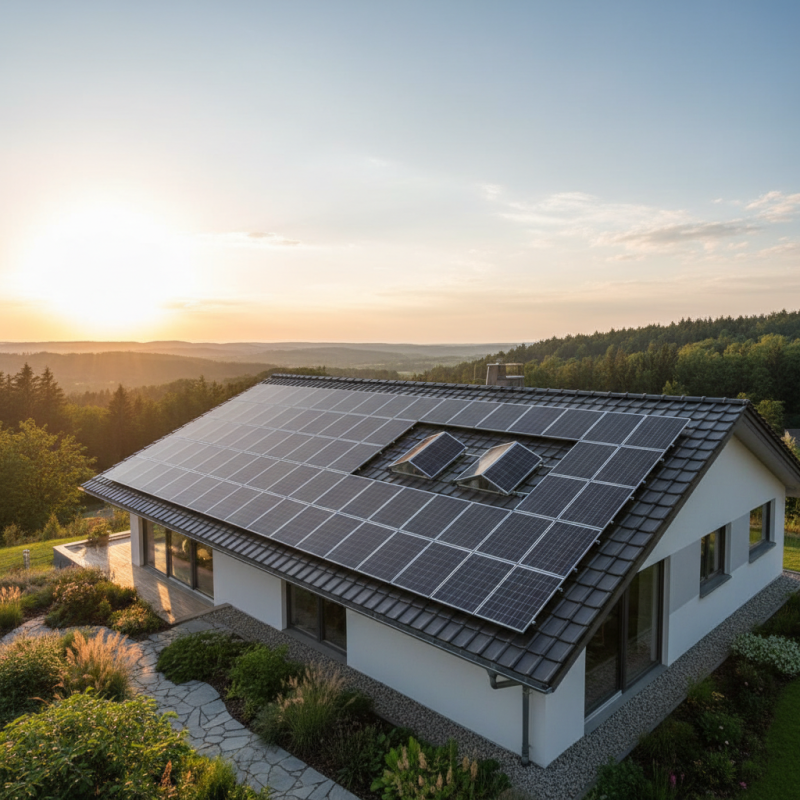
How to Choose the Best Solar Panel Roof Mount System?
Choosing the right solar panel roof mount system is essential for maximizing energy efficiency. Experts in the field advise careful consideration of various factors. John Smith, a renowned solar energy consultant, states, “A well-chosen mount can enhance your solar panel’s performance significantly.”
Investing in solar means selecting a mount that suits your specific roof type. Is it flat or sloped? Each design has implications for installation and energy capture. Durability is another crucial aspect; a reliable mount protects your investment against harsh weather.
However, some systems can be challenging to install. Many homeowners grapple with technical specifications. The wrong choice might lead to wasted energy and financial loss. Understanding these challenges is key. Proper guidance from experienced professionals can lead to smarter, more sustainable energy solutions.
Understanding Solar Panel Roof Mount Systems
Understanding solar panel roof mount systems is crucial for effective energy harnessing. These systems securely attach panels to various roof types. They offer durability, efficiency, and easy maintenance. Different types of mounts include fixed, adjustable, and tracking systems. Choosing the right one affects performance and costs.
When selecting a roof mount, consider roof pitch and material. A steeper roof may require specialized mounts. Flat roofs need ballast systems or fixed mounts. Examine your local weather patterns, too. Extreme winds or heavy snow can impact your choice.
Tips: Always consult a professional before installation. They can assess your unique situation. It’s worth noting that DIY mounts may lead to errors. Regular maintenance checks are crucial. Inspect the integrity of mounts every season. These steps ensure long-term performance and safety. Being informed empowers you to make the best decision for your solar system.
Types of Solar Panel Roof Mounts: Fixed, Adjustable, and Trackers
When considering types of solar panel roof mounts, you have three primary options: fixed mounts, adjustable mounts, and trackers. Fixed mounts are simple and cost-effective. They remain at a set angle, which works best in areas with consistent sunlight. However, they may not capture peak energy at all times.
Adjustable mounts allow you to change the angle throughout the year. This system can boost efficiency significantly, adapting to seasonal sunlight variations. Yet, they require regular adjustments, adding to maintenance tasks. Consider your willingness to adapt when choosing this option.
Trackers follow the sun's path, maximizing exposure and energy output. They can increase electricity generation but tend to be more expensive and complex. Routine checks are vital to ensure they function correctly.
Tips: Assess your roof's space and orientation first. Each mounting system needs a different footprint. Next, think about your local weather patterns. A system that works well in sunny climates may struggle in overcast areas. This nuanced decision can greatly impact your solar energy efficiency.
Types of Solar Panel Roof Mount Systems
Factors to Consider When Choosing a Roof Mount System
When selecting a roof mount system for solar panels, several critical factors must be evaluated. Material choice is essential for longevity. Aluminum and stainless steel offer durability and resistance to corrosion. These materials can endure harsh weather conditions, increasing system reliability. According to the National Renewable Energy Laboratory, the right mounting system can enhance energy production by an average of 10% due to optimal panel positioning.
Another important factor is the roof type. Different roofs, such as flat or sloped, require specific mounting solutions. Flat roofs need ballast systems while sloped roofs often use penetrative mounts. A mismatch could lead to leaks or structural damage. Research indicates that improper mounting can reduce system efficiency by up to 25%. Charging systems on roofs with low solar access due to obstructions could lead to underperformance.
Consider the installation complexity as well. DIY installations could save money but may lead to mistakes. Professional installation often comes with a warranty, protecting your investment. According to a recent survey from Solar Energy Industries Association, 22% of systems fail due to improper setups. Make sure to weigh the risks against potential savings when contemplating your options.
Installation Requirements and Best Practices for Solar Mounts
When choosing a solar panel roof mount system, installation requirements are crucial. According to the Solar Energy Industries Association (SEIA), proper installation can increase the efficiency of solar panels by up to 20%. This highlights the importance of meeting local building codes and regulations. Each region has different regulations that may dictate the type of mounts suitable for specific roof designs.
The roof material also affects installation practices. For instance, asphalt shingle roofs generally require specific mounting techniques to prevent leaks. Engineers suggest conducting a structural assessment to ensure the roof can handle the added weight. Interestingly, improper installation can lead to decreased energy output, sometimes by as much as 30%, as outlined in various industry studies.
Best practices involve ensuring the mounts are securely attached, allowing room for roof movement, and regularly checking for wear. Many installers recommend a maintenance check at least once a year. These checks not only prolong the lifespan of the solar mounts but also enhance the overall performance of the solar system. Missing these maintenance checks can result in unforeseen issues down the line, emphasizing the need for diligence in both installation and upkeep.
Cost Analysis and Long-Term Benefits of Solar Roof Mount Systems
When considering a solar roof mount system, cost analysis is crucial. Initial installation costs vary widely. Factors like roof type and panel choice will influence the price. Typically, a homeowner could expect to spend between $15,000 to $30,000 for a complete system. This investment may seem daunting at first. However, understanding long-term benefits can change the perspective.
Over time, solar panels can significantly reduce energy bills. Many systems pay for themselves within five to seven years. Additionally, government incentives can lower upfront costs, making solar energy more accessible. Beyond financial savings, these systems contribute to environmental sustainability. The reduction of carbon footprint is a key benefit. Yet, some homeowners may worry about maintenance costs or efficiency drops over time.
Long-term benefits also include increased home value. A well-installed solar roof can appeal to future buyers. However, the decision to switch should not be taken lightly. Assessing local regulations, available incentives, and system warranties will help clarify the choice. Each factor plays a vital role in ensuring a smart investment in solar technology.
How to Choose the Best Solar Panel Roof Mount System? - Cost Analysis and Long-Term Benefits of Solar Roof Mount Systems
| Mount Type | Installation Cost ($/kW) | Average Lifespan (years) | Efficiency (%) | Warranty (years) | Long-Term Benefits |
| Fixed Tilt Mount | 1,200 | 25 | 15-20 | 10 | Low maintenance, good for flat roofs |
| Adjustable Mount | 1,500 | 25 | 16-21 | 15 | Optimized performance during all seasons |
| Ground Mount | 1,800 | 25 | 18-22 | 20 | Flexible installation options, better airflow |
| Roof Rack Mount | 1,600 | 20 | 17-19 | 12 | Space-saving and aesthetically pleasing |
| Ballasted Mount | 1,700 | 20 | 15-18 | 10 | No roof penetration, easy removal |