How to Choose the Best Stainless Steel Ball Valves for Your Needs?
Choosing the right stainless steel ball valves is crucial for various applications. These valves are known for their durability and resistance to corrosion. They play a vital role in controlling the flow of liquids and gases. Selecting the best option requires careful consideration of specific needs and environments.
When assessing stainless steel ball valves, focus on the desired pressure ratings and sizes. Each application may require different specifications. It’s important to think about the media being handled. Some fluids can cause wear and tear faster than others.
Quality matters. Not all stainless steel ball valves are created equal. Some may lack the reliability needed for critical operations. Evaluating manufacturers and their reputations can help ensure you make a wise choice. Aim to choose products with proven performance records. A poor decision here can lead to leaks and costly repairs. Take your time to reflect on all options available.
Understanding Stainless Steel Ball Valves and Their Applications
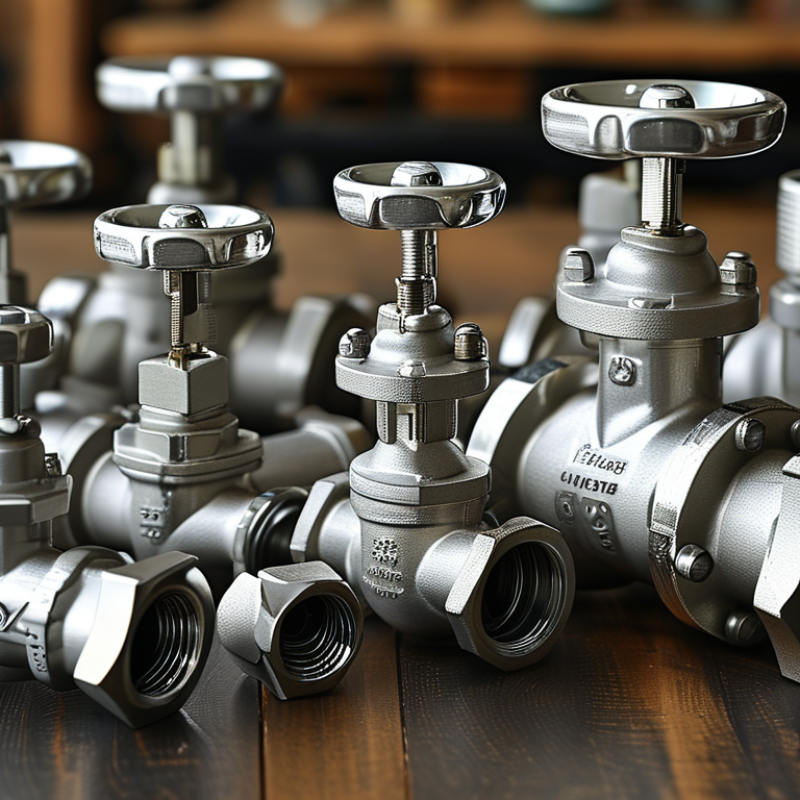
Stainless steel ball valves are essential in various industries. They offer robust performance and reliability. Understanding their applications helps in making informed choices. These valves are commonly used for regulating flow in pipelines. Their design allows for quick shut-off and high durability. In water treatment plants, chemical processing, and food production, they play a crucial role.
Selecting the right stainless steel ball valve depends on several factors. Consider the operating pressure and temperature. The valve must suit the specific system requirements. Different types are suited for different applications. For example, a three-piece valve might be ideal for maintenance purposes. However, they might require more effort to install.
Sometimes, users face challenges with valve selection. Miscalculating flow rates can lead to inefficiencies. Additionally, materials must resist corrosion and wear over time. It’s important to analyze the environment where the valve will be used. Regular maintenance checks are also vital. They help ensure valves function properly and last longer. Understanding these aspects is crucial for optimal performance.
Key Factors to Consider When Selecting Stainless Steel Ball Valves
When selecting stainless steel ball valves, several key factors must guide your decision. One crucial aspect is the valve's size and connection type. The right size ensures optimal flow rates and prevents unnecessary pressure drops. Reports indicate that mismatched valve sizes can lead to efficiency losses of up to 20%.
Material quality is another critical factor. Stainless steel valves must withstand corrosion and harsh environments. Look for valves made from grades like 304 or 316 stainless steel. These materials provide excellent durability and resistance to pitting. Industry research shows that using lower-grade materials can shorten the lifespan of a valve by nearly half.
Consider the pressure and temperature ratings as well. Ensure the valve can handle the expected service conditions. Not all valves perform optimally under high pressure or extreme temperatures. Testing under real conditions before purchasing can reveal performance limits that specifications do not always capture.
For optimal performance, choose valves with a blow-out proof stem design. This feature enhances safety and reliability. Also, adjustable packing can extend the service life. Regular maintenance checks are necessary, as wear might go unnoticed until significant leaks occur.
Comparing Different Types of Stainless Steel Ball Valves
When comparing different types of stainless steel ball valves, various factors come into play.
The type of valve greatly affects its performance in specific applications. Standard stainless steel ball valves are ideal for general flow control.
For high-pressure environments, consider valves designed to withstand extreme conditions.
Materials like 316 stainless steel offer superior corrosion resistance, making them invaluable in chemical and marine applications.
When evaluating ball valves, pay attention to the port design. Full port valves allow for unrestricted flow, reducing pressure drops.
In contrast, reduced port valves are more compact and economical, yet they can lead to increased turbulence.
A report by the International Society of Automation indicates that valve selection can influence system efficiency by over 20%.
Tips for selection: consider pressure ratings and temperature limits of your specific application.
Ensure compatibility with the fluids in use. Regular inspections of valve seals and joints can prevent leaks and prolong lifespan.
Choosing the right type is essential for reliable operation, yet assessing specific needs is often overlooked.
Thoughtful selection can lead to enhanced system reliability and lower maintenance costs.
Evaluating Durability and Performance in Stainless Steel Ball Valves
When selecting stainless steel ball valves, durability and performance are critical factors to consider. Stainless steel, particularly the 304 and 316 grades, is known for its exceptional strength and corrosion resistance. A study from the American Society of Mechanical Engineers (ASME) indicates that 316 stainless steel performs better in marine environments, providing enhanced longevity. Regular maintenance can extend a valve’s lifespan, yet many users overlook this essential aspect.
Performance metrics should also be taken seriously. According to industry reports, valves that operate within the pressure range of 1500 psi to 3000 psi are deemed reliable for most applications. However, not all valves meet these standards. Some may falter under high pressure, leading to potential failures. It's crucial to assess the valve's design and construction. Features such as full-port openings can improve flow efficiency, while a well-sealed design prevents leaks.
Understanding service conditions is also vital. For instance, extreme temperatures can affect valve performance. Choices made without thorough consideration can lead to costly repairs later. Ensuring compatibility with your specific application remains a challenge for many. Thorough evaluation and expert consultations can guide your decision-making process effectively.
Tips for Maintenance and Care of Stainless Steel Ball Valves
Proper maintenance of stainless steel ball valves is crucial for optimal performance. Regular inspection is key to ensuring functionality. The average lifespan of stainless steel ball valves is around 15 to 20 years, depending on use. However, failure to maintain them can shorten this lifespan significantly. A report published by the Valve Manufacturers Association indicates that up to 30% of valve failures result from inadequate maintenance.
Cleaning is a vital aspect of care. Use mild detergents and non-abrasive scrubbers to prevent surface damage. High-pressure water can also dislodge debris without harming the valve. It's essential to check seals and gaskets regularly for signs of wear. Replace them at least every few years or sooner if leaks are detected. Many users overlook this, which can lead to serious leaks and operational issues.
Lubrication is often misunderstood. While it is necessary for reducing friction, over-lubrication can attract dirt and debris. Regularly inspect lubricant levels and avoid excess. Ensuring the valve operates smoothly can prevent unnecessary wear, leading to longer durability. Ultimately, attention to these details can make the difference between seamless operation and costly repairs.
Comparison of Stainless Steel Ball Valve Features