Why Choose Hybrid VTOL Drones for Your Business Needs?
In today's rapidly evolving business landscape, the adoption of technology is critical for staying competitive. Hybrid Vtol Drones represent a significant innovation with powerful applications across industries. These drones combine the advantages of traditional fixed-wing aircraft and multi-rotor drones. This unique capability allows businesses to access hard-to-reach areas and conduct operations efficiently.
The versatility of hybrid VTOL drones is noteworthy. They can hover, take off vertically, and cover long distances. This adaptability makes them suitable for tasks in logistics, agriculture, and surveillance. Companies can enhance operational efficiency and reduce costs using these drones for deliveries or data collection.
Despite their advantages, businesses must consider the challenges of integrating hybrid VTOL drones into existing frameworks. Issues like regulatory compliance and upfront investment can be daunting. However, with careful planning and expert support, these challenges can be navigated effectively. Embracing hybrid VTOL drones could transform how businesses operate, provided they approach the transition thoughtfully.
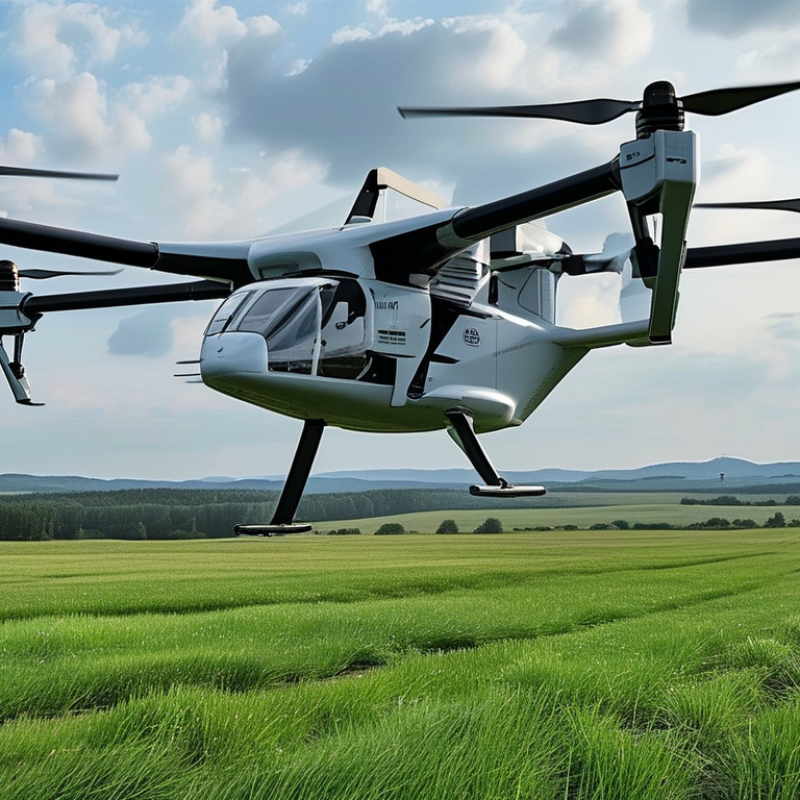
Benefits of Hybrid VTOL Drones in Various Industries
Hybrid VTOL drones are revolutionizing multiple industries by offering unique advantages. Their ability to take off and land vertically makes them ideal for urban environments. According to a recent report by the Federal Aviation Administration, the global market for VTOL technology is projected to reach $8 billion by 2025. This reflects a growing recognition of their versatility.
In logistics, these drones can reduce delivery times substantially. Studies have shown that hybrid VTOL drones can cover distances up to 350 miles on a single charge. This capability is critical for businesses looking to enhance their supply chain efficiency. They can bypass traditional road traffic, thus ensuring timely deliveries. In agriculture, farmers are leveraging these drones for precision farming. They can conduct aerial surveys and monitor crops with unparalleled accuracy, providing data that increases yield by up to 20%.
However, challenges remain. Issues related to regulatory compliance and airspace management still need addressing. In addition, the initial investment costs for hybrid VTOL technology can be substantial. Each industry must weigh these factors carefully against the potential benefits. Despite these hurdles, the overall impact of hybrid VTOL drones continues to show promise across various sectors.
Understanding the Technology Behind Hybrid VTOL Drones
Hybrid VTOL drones combine vertical takeoff and landing capabilities with fixed-wing efficiency. This technology allows for longer flight times and the ability to operate in various environments. Businesses seeking efficiency will find that hybrid models can reach remote locations without the need for lengthy runways.
When using hybrid VTOL drones, consider the payload capacity. Not all drones can carry heavy equipment. Match the drone specifications with your operational needs. Look for models that offer flexibility in payload options to adapt to various missions.
Flight planning is crucial. Take time to understand the drone's flight systems and capabilities. Weather conditions can greatly impact performance. Hybrid VTOL drones may struggle in strong winds. Regular training helps improve operational outcomes. Continuous learning ensures that your team understands the latest technology updates.
Operational Efficiency and Cost-Effectiveness of Hybrid VTOL Drones
Hybrid VTOL drones offer unique advantages for businesses seeking operational efficiency and cost-effectiveness. Their ability to take off and land vertically allows them to access tight spaces and reach remote locations without the need for extensive infrastructure. This can significantly reduce the time and cost associated with logistics and transport. However, their complex technology can lead to higher maintenance costs.
Another aspect to consider is battery life. While hybrid VTOL drones combine multiple power sources for longer flights, they may not always deliver optimal performance. Investing in proper training for operators is crucial. It ensures that they can maximize the drone's capabilities while minimizing potential operational issues.
When considering hybrid VTOL drones, evaluate your specific needs. Match the drone's features with your operational goals. Regularly review performance metrics to identify areas for improvement. This approach will help you make informed decisions and enhance your business efficiency.
Why Choose Hybrid VTOL Drones for Your Business Needs? - Operational Efficiency and Cost-Effectiveness of Hybrid VTOL Drones
| Feature | Hybrid VTOL Drones | Traditional UAVs |
| Operational Range | Up to 100 miles | Up to 20 miles |
| Payload Capacity | 10 kg | 2 kg |
| Flight Time | 3-5 hours | 30-60 minutes |
| Fuel Efficiency | High | Medium |
| Deployment Speed | Rapid | Moderate |
| Versatility | High | Low |
| Cost of Operation | Low per mission | High per mission |
Applications of Hybrid VTOL Drones in Business Operations
Hybrid VTOL drones are transforming business operations across various sectors. These versatile machines combine the capabilities of traditional fixed-wing aircraft with the vertical lift of helicopters. This makes them ideal for tasks in diverse environments. For instance, in agriculture, they are used for crop monitoring. They can survey large fields quickly and efficiently, collecting crucial data on crop health.
In logistics, hybrid VTOL drones excel in last-mile delivery. They can navigate urban landscapes where road traffic is a challenge. Their ability to land and take off vertically allows access to hard-to-reach locations. This feature enhances delivery speed and reduces costs. Companies can respond faster to customer demands, improving service levels.
When considering hybrid VTOL drones, you should evaluate your specific needs. Focus on the drone's payload capacity and flight range. Understanding these parameters will help you select the right model for your business. Pay attention to the training required for your team. Proper training ensures safety and maximizes operational efficiency. Remember, while these drones offer many benefits, they also come with complexities that require thoughtful implementation.
Future Trends and Innovations in Hybrid VTOL Drone Technology
Hybrid VTOL drones are becoming increasingly popular due to their unique capabilities. They combine the advantages of both fixed-wing aircraft and traditional drones. This innovation allows them to take off and land vertically while flying efficiently over longer distances. The future of this technology is promising, as advancements in battery life and AI integration enhance operational efficiency.
As industries grow more reliant on efficient aerial solutions, several trends are emerging. For instance, the integration of machine learning algorithms can optimize flight paths in real-time. This means drones can adapt to changing conditions quickly, increasing safety and reducing operational costs. Future designs will likely focus on scalability, allowing businesses to customize drones for specific tasks.
Consider focusing on maintenance when evaluating hybrid VTOL drones. Regular inspections can prevent costly downtime. Additionally, staying informed about software updates is crucial. These updates often improve performance and security.
Adopting hybrid VTOL technology isn't without challenges. The initial investment can be significant. Moreover, training staff to operate these advanced systems takes time and effort. Balancing cost and benefit is essential for meaningful integration into your business model.