How to Choose the Right Hydraulic Proportional Valve for Your Needs?
Choosing the right Hydraulic Proportional Valve can significantly impact your system's performance. The global hydraulic valves market reached $5 billion in 2021. By 2026, it is projected to grow to over $6 billion, underscoring the industry's expanding importance. Hydraulic proportional valves are integral in various applications, including mobile equipment and manufacturing machinery.
These valves regulate fluid flow and pressure with precision, enhancing efficiency and control. Various factors complicate the selection process. Sizing, response time, and application type must align with operational requirements. Industry reports suggest that improper valve selection can lead to 30% inefficiency. This inefficiency can result in increased operating costs and system failures, emphasizing the necessity for careful consideration.
Deciding on a valve is not just a technical choice; it reflects operational needs and future goals. Ensuring compatibility with the system can be challenging. Each application may require different specifications based on load conditions and control methods. Understanding these factors is essential for making an informed decision. Hydraulic Proportional Valves require due diligence.
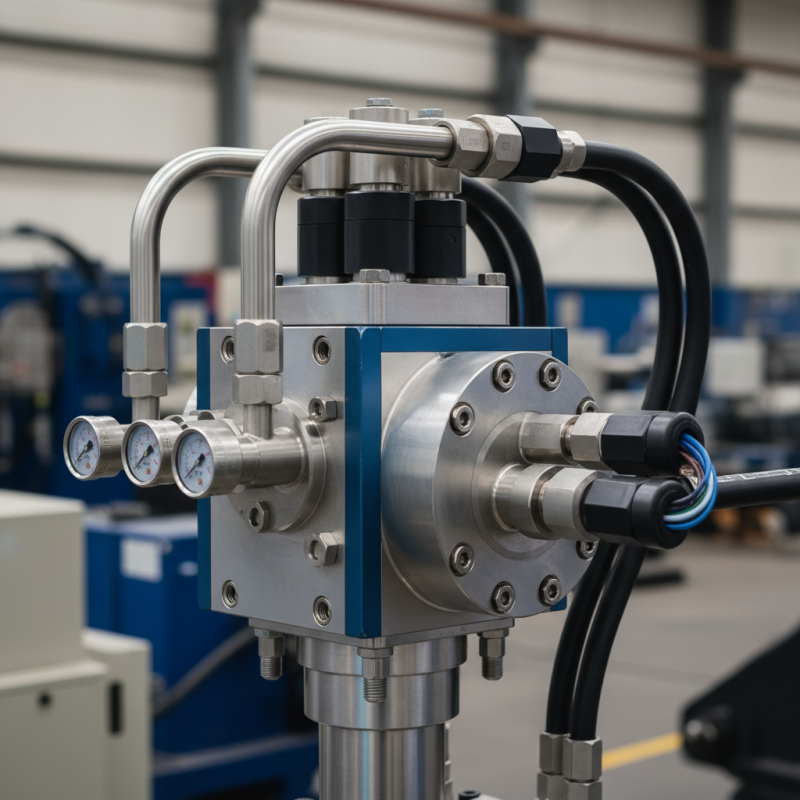
Key Factors to Consider When Selecting Hydraulic Proportional Valves
Selecting the right hydraulic proportional valve is crucial for optimal system performance. When choosing a valve, consider factors like flow rate, pressure range, and response time. According to data from industry reports, valves with high precision can improve system efficiency by 15%. A clear understanding of your application requirements helps in making informed choices.
Another essential consideration is the spool type. For example, a pilot-operated spool can provide better control in varying pressure conditions. Research indicates that using the appropriate spool design can reduce energy consumption by up to 20%. Ensure compatibility with your existing system to avoid unnecessary complications.
Users often overlook installation and maintenance requirements. A valve with complex installation may lead to operational delays. Regular maintenance is key, as neglect can lead to reduced performance over time. Aim for a balance between advanced features and straightforward usability. This can save time and costs in the long run.
Understanding the Different Types of Hydraulic Proportional Valves
When selecting a hydraulic proportional valve, understanding the types available is crucial. There are several main types: flow control, pressure control, and directional control valves. Flow control valves adjust the rate of fluid flow. They offer flexibility in operations, vital for precise control in machinery. Pressure control valves maintain a specific pressure level. They protect systems from overload, which can lead to failures.
Directional control valves direct fluid to different paths in a system. The choice depends on application needs. A recent industry report indicated that flow control valves account for around 45% of total sales in the hydraulic market. However, many users still overlook the importance of valve sizing and compatibility. Choosing a valve that does not match system parameters can lead to inefficiencies. A mismatch can cause performance issues or even mechanical failures.
In applications where responsiveness is vital, the right selection of proportional valves can be a game-changer. But many engineers make assumptions about their needs. They might focus solely on cost or availability. This can lead to inadequate performance. Research shows that improper selection can decrease system efficiency by up to 30%. Understanding the specific needs and characteristics of each valve type is essential for making informed decisions.
Evaluating Flow and Pressure Requirements for Your Application
Selecting the right hydraulic proportional valve hinges on understanding flow and pressure requirements. Each application has unique demands, influencing performance. Assessing these aspects can seem daunting but is crucial.
Start with flow requirements. This determines how much fluid needs to be moved. For instance, a machine requiring fast movements needs higher flow rates. In contrast, precision tasks demand moderate levels. Getting this right is essential to avoid underperformance or excessive energy consumption. Think about the specific conditions where the valve operates.
Next, evaluate the pressure requirements. This refers to the force the valve can handle. If your system operates under high pressure, a robust valve is necessary. It must withstand potential bursts. Not all applications need the same pressure. An over-specified valve may lead to inefficiencies. Careful measurement is essential. Be willing to reassess your initial estimates, as miscalculations could disrupt operations. Balancing both flow and pressure is vital for optimal performance.
Importance of Control Accuracy and Response Time in Valve Selection
Control accuracy and response time significantly influence the selection of hydraulic proportional valves. Accurate control allows for precise adjustments in hydraulic systems. As reported by the International Fluid Power Society, systems with a control accuracy of ±1% can enhance efficiency. This precision minimizes energy loss, leading to reduced operational costs.
Response time is equally critical. A valve that reacts quickly can change flow rates and pressure more effectively. Studies show that a response time under 20 milliseconds can improve system performance in demanding applications. For instance, construction equipment relies on fast response for optimal safety. A slow valve can delay movements, resulting in potential hazards or inefficiencies.
However, achieving both control accuracy and quick response can be challenging. Sometimes, manufacturers focus too much on speed at the cost of accuracy. It might lead to erratic behaviors in the system. Users must balance these factors carefully. Regular testing and adjustments are essential to ensure that the valve performs as expected.
Hydraulic Proportional Valve Selection: Control Accuracy and Response Time
This chart illustrates the relationship between control accuracy and response time for different hydraulic proportional valve types. The data indicates how various designs affect performance, guiding you in selecting the valve that meets your specific needs.
Assessing Compatibility with Hydraulic Systems and Fluids
Choosing the right hydraulic proportional valve involves more than size. Compatibility with hydraulic systems and the fluids used is essential. Each hydraulic fluid has specific characteristics. Viscosity, temperature, and chemical stability impact valve performance. According to industry reports, improper fluid compatibility can lead to valve failure.
Understanding fluid properties is critical. A fluid that is too thick can clog the valve. Conversely, a fluid that is too thin may not provide adequate pressure. Research indicates that 30% of equipment failures stem from fluid issues. This highlights the need for proper fluid selection.
Check compatibility charts and manufacturer specifications. They provide insights into how fluids interact with materials used in valves. Not all valves are designed for every fluid. The consequences of poor choices can be costly. Over time, leaks and wear may compromise system reliability. Always reflect on your choices to avoid future problems.
How to Choose the Right Hydraulic Proportional Valve for Your Needs?
| Valve Type | Flow Rate (L/min) | Pressure Rating (bar) | Control Type | Compatibility with Fluids | Preferred Applications |
| Electro-Hydraulic Valve | 20 | 250 | PWM | Mineral Oil | Mobile Equipment |
| Hydraulic Servo Valve | 50 | 350 | Linear | Biodegradable Fluid | Aerospace Applications |
| Pressure Compensated Valve | 30 | 200 | Pressure Control | Water-based Fluid | Industrial Machinery |
| On/Off Proportional Valve | 10 | 150 | Digital | Hydraulic Oils | Test Equipment |
| Variable Displacement Valve | 40 | 300 | Flow Control | Synthetic Fluid | Construction Equipment |