How to Choose the Best Automated Valves in 2026?

Choosing the best automated valves in 2026 is not a simple catalog decision. It is a process-safety and lifecycle decision.

The right valve must match the medium, pressure, temperature, flow pattern, and actuator requirements. It must also communicate reliably with modern control systems. A valve that performs well in clean water may fail quickly in abrasive slurry. A compact actuator may look efficient, yet lack the torque needed during startup. Small details matter.

Béla G. Lipták, a respected process-control authority, described the control valve as “the final control element in a process control loop.” His observation remains practical today. Automated valves convert digital commands into physical movement. Their accuracy affects production, energy use, maintenance, and protection of equipment.

This guide examines the choices that engineers often face. It considers electric, pneumatic, and hydraulic actuation. It also reviews fail-safe behavior, response speed, diagnostics, materials, and total operating cost. Compliance with recognized industry standards should support the selection, not replace engineering judgment.

Field experience reveals an uncomfortable truth. The cheapest valve can become the most expensive component after repeated leakage, corrosion, or unplanned shutdowns. Yet premium equipment is not automatically the best answer. Over-specification can waste capital and complicate maintenance.

Real conditions are rarely perfect. Flow data may be incomplete. Operators may report symptoms, not causes. Therefore, selection should include site measurements, supplier documentation, and a realistic maintenance review. The strongest choice balances performance, reliability, serviceability, and future integration.

Not every specification is final. That is worth admitting. Better decisions begin with careful questions, verified data, and a willingness to reconsider assumptions.
How to Choose the Best Automated Valves in 2026?

What Are Automated Valves and How Do They Work?

How to Choose the Best Automated Valves in 2026?

What Are Automated Valves and How Do They Work?

Automated valves control the movement of liquids, gases, or steam without constant manual operation. A valve body opens or closes inside a pipeline. An actuator supplies the movement. It may use electricity, compressed air, or hydraulic power. A controller sends a signal based on pressure, temperature, flow, or a scheduled command.

For example, a temperature sensor detects rising process heat. The controller then tells the actuator to adjust the valve position. The valve may open gradually, rather than simply switching on or off. Some systems also provide position feedback. This confirms whether the valve actually reached the requested position. That detail matters during faults. A valve can look correctly sized on paper and still respond slowly in the field. Pipe friction, contaminated air, or unstable signals may change performance.

Tips: Check the medium, pressure, temperature, flow rate, and cycle frequency before choosing a valve. Match the actuator’s torque or thrust to real operating conditions, not ideal figures. Consider fail-open or fail-closed behavior when power disappears. Test the complete valve assembly, including wiring, sensors, and control logic. A small commissioning mistake can create repeated cycling, leakage, or unexpected shutdowns. Keep clear maintenance records, because assumptions are often the weakest part of automation planning.

Which Valve Types Suit Different Industrial Applications?

How to Choose the Best Automated Valves in 2026?

Which Valve Types Suit Different Industrial Applications?

Choosing an automated valve starts with the process, not the actuator. In water treatment, butterfly valves handle large pipelines with modest pressure loss. They are compact and practical. Ball valves suit clean fluids, fuel systems, and frequent on-off cycles. Their quarter-turn movement supports fast isolation and reliable shutoff.

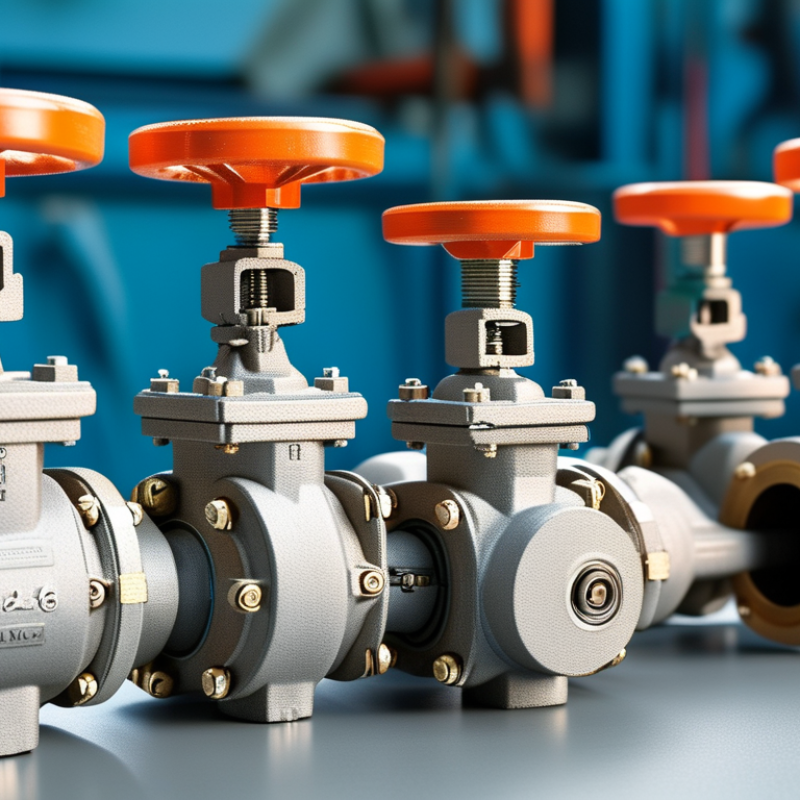
Globe valves provide better throttling control for steam, heating water, and chemical dosing. However, their higher pressure drop can increase operating costs. Gate valves work well for fully open or fully closed service, especially in large pipelines. They should not regulate flow. A partly closed gate may suffer vibration and seat damage.

Diaphragm valves are valuable in hygienic, corrosive, or contaminated processes. The diaphragm separates the actuator from the fluid. This design can reduce leakage risks. Check valves operate without a control signal and prevent reverse flow in pumps and process lines. They still need careful installation. Poor orientation can cause unstable closing.

Match each valve with the medium, pressure, temperature, pipe size, and cycling frequency. Then select pneumatic, electric, or hydraulic actuation. Pneumatic units respond quickly, while electric actuators offer easier positioning and local diagnostics. Fail-open and fail-closed behavior deserve serious attention. I have seen suitable valves fail because the emergency position was never tested. No selection is perfect. Recheck torque, sealing materials, maintenance access, and applicable safety standards before approval.

How to Compare Actuators, Materials, and Control Options

Choosing the best automated valve in 2026 starts with the actuator, not the catalog price. Match its torque to the valve’s breakaway force, operating pressure, and safety margin. A margin near 25% is common, but dirty fluids can demand more. Check duty cycle carefully. An actuator that works for five minutes may fail during repeated batching.

Electric actuators suit clean utilities and accurate positioning. Pneumatic models can respond quickly where compressed air is already available. Spring-return designs provide a defined fail position during power loss. That sounds simple. It is not. Confirm whether the process should fail open, fail closed, or hold position. Include manual override access for maintenance teams wearing gloves.

Material selection should follow the fluid, temperature, pressure, and installation environment. Stainless steel resists many corrosive conditions, while coated alloys may work well in dry indoor systems. Plastics can reduce weight, but temperature limits are easy to overlook. I have seen specifications ignore external salt spray. The valve looked suitable until the enclosure rusted.

Control options also affect long-term reliability. On-off signals are economical, while proportional control supports steadier flow and pressure. Add position feedback when operators need proof of movement. For networked systems, verify signal compatibility, diagnostics, and access controls. Request cycle-test data, leakage results, and documented compliance with relevant standards such as ISO 5211 or IEC 60534. No selection method is perfect. Leave room for site testing.

What Performance, Safety, and Compliance Factors Matter Most?

Choosing automated valves in 2026 starts with the process, not the actuator display. In plant surveys, I check media, temperature, pressure, cycle frequency, and available utilities. A valve that moves quickly may still waste air or cause water hammer. Ask for measured flow data, not optimistic estimates. Good sizing keeps the valve stable near its normal operating range. Too small increases pressure loss. Too large can hunt, leak, or wear its seat early. That mistake remains common.

Safety depends on the failure response. Should the valve close, open, or hold position after power or signal loss? The answer must match the hazard study and process consequences. Specify torque margins, manual override access, position feedback, and tested emergency action. In a real inspection, a clear local indicator can matter more than a polished control screen. Consider corrosion, dust, vibration, and outdoor temperature. Protection ratings must fit the actual installation, not just the purchase specification. Fast is not always safer.

Compliance should be documented before procurement. Review pressure equipment rules, electrical classifications, functional safety requirements, and environmental obligations in the installation country. Standards such as IEC 61508, IEC 61511, or ISO 5211 may apply, depending on the system. Request material certificates, test records, traceability, and calibration results. Ask who performed each test and when. A certificate without scope or revision details is weak evidence. I also recommend a maintenance trial. Can technicians isolate, inspect, and rebuild the valve without guessing? Engineers sometimes over-specify safety functions and under-specify service access. I have made that trade-off myself. Reliability improves when operators can understand the device at 2 a.m., wearing gloves, under poor lighting.

How to Select, Install, and Maintain the Right Automated Valve?

Choosing an automated valve starts with the process, not the actuator. Define the medium, pressure, temperature, flow rate, and required shutoff class. A corrosive fluid may need a lined body, while abrasive slurry demands hardened internal parts. Check the valve’s Cv value against real operating conditions. Oversizing is common, but it can cause unstable control and early seat wear.

Fortune Business Insights estimated the global industrial valves market at about USD 73.3 billion in 2023, with continued growth through 2032. This expansion increases equipment choices, but more options also create selection mistakes. Specify the fail-open or fail-closed position, actuator torque, cycle frequency, signal type, and enclosure rating. Leave a practical torque margin. Too much margin can reduce efficiency and response quality.

Installation details decide whether good equipment performs well. Flush the pipe, remove welding debris, support heavy actuators, and verify the stem alignment. Never use the valve body to correct pipe misalignment. During commissioning, test every command, feedback signal, and emergency position. Maintenance should include leak checks, bolt inspection, lubrication where permitted, and actuator response testing. The U.S. Department of Energy reports that effective operations and maintenance practices can reduce energy use by 5–20 percent in many facilities. That figure is not guaranteed for every valve system. Field conditions differ. Record cycle counts, response time, pressure changes, and unusual noise. A rattling valve may be warning about cavitation, not poor workmanship.

Subscribe To Our Newsletter

Join our mailing list to receive the latest news and updates from our team.

You have Successfully Subscribed!