Top Tips for Choosing the Best Car Rear Spoiler for Your Vehicle?
When selecting a Car Rear Spoiler, understanding its impact is essential. A properly chosen rear spoiler can enhance both aesthetics and performance. According to a report by the Specialty Equipment Market Association (SEMA), the automotive aftermarket, including modifications such as spoilers, represents a $41 billion industry in the United States alone. This highlights the importance of informed choices.
Car rear spoilers serve multiple purposes. They can improve aerodynamics, increasing downforce and stability at high speeds. Studies indicate that the right spoiler can enhance fuel efficiency by up to 5% by reducing drag. However, selecting the wrong spoiler may lead to adverse effects, such as diminished visibility or compromised performance.
Not all spoilers fit every vehicle equally. The design and material matter significantly. Some enthusiasts prefer fiberglass or carbon fiber for their lightweight and performance characteristics. Others might overlook weight consideration. It's vital to find a balance between style and functionality. Reflection on these factors can guide towards making a more fitting choice for your car.
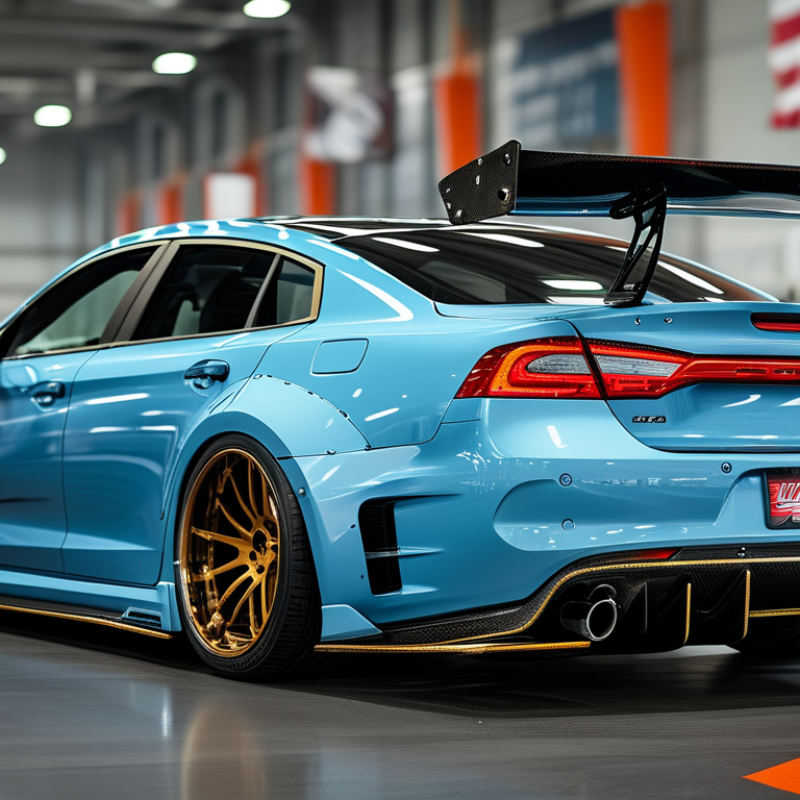
Understanding the Functionality of Car Rear Spoilers in Aerodynamics
Car rear spoilers play a significant role in enhancing vehicle aerodynamics. They help manage airflow over the car, reducing drag and increasing stability. Properly designed spoilers can enhance downforce, which keeps the vehicle grounded at high speeds. This often leads to better handling and cornering performance.
When choosing a rear spoiler, consider its design and functionality. Look for spoilers that fit your vehicle type. A well-matched spoiler can improve both aesthetics and aerodynamics. Ensure it is made from durable materials that can withstand various weather conditions. Pay attention to installation methods. Some spoilers require professional installation, while others can be mounted without tools.
Driving style also influences your selection. If you often drive at high speeds, a larger spoiler may enhance performance. In contrast, a subtle spoiler may be perfect for daily commuting. Evaluate your priorities. Performance often comes with trade-offs in fuel efficiency. Weigh these factors to make an informed decision. Choosing the right spoiler can elevate your driving experience.
Top Tips for Choosing the Best Car Rear Spoiler for Your Vehicle
| Feature | Description | Material | Aerodynamic Benefit | Visual Impact |
| Size | The dimensions of the spoiler should fit the vehicle design. | ABS Plastic | Improves downforce at high speeds. | Enhances sporty appearance. |
| Style | Different styles include lip, raised, and flush-mounted spoilers. | Fiberglass | Reduces drag coefficient. | Complements vehicle aesthetics. |
| Installation | Easy to install with basic tools or requires professional help. | Carbon Fiber | Enhances vehicle stability at high speeds. | Adds a unique touch to your vehicle. |
| Functionality | Designed to alter airflow and improve traction. | Polycarbonate | Increases rear grip during acceleration. | Transforms car's profile. |
| Compliance | Must meet local regulations regarding car modifications. | Aluminum | Contributes to overall vehicle performance. | Improves vehicle's aggressive look. |
Comparing Different Types of Rear Spoilers: Materials and Designs
When selecting a rear spoiler, understanding the materials and designs can greatly influence your choice. Common materials include fiberglass, carbon fiber, and ABS plastic. Each has its own set of benefits. For instance, carbon fiber is lightweight and offers excellent durability, which is crucial for performance. On the other hand, fiberglass provides a more budget-friendly option but may require more maintenance.
Design plays a critical role in both aesthetics and function. A well-designed spoiler can improve aerodynamics, enhancing vehicle stability at high speeds. According to a study from the International Journal of Automotive Engineering, a properly installed spoiler can reduce drag by up to 5%. However, not all designs suit every car model. Some drivers may prefer a subtle lip spoiler, while others opt for a more aggressive wing design.
Tips: Consider how you intend to use your vehicle. If you prioritize speed and performance, choose lighter materials like carbon fiber. For everyday use, ABS plastic might be a sufficient choice. Additionally, always verify compatibility with your vehicle’s make and model. Each design has trade-offs, and personal preference should guide your final decision.
Evaluating Spoiler Size and Shape for Optimal Performance
Choosing the right rear spoiler involves more than just aesthetics; it significantly impacts vehicle performance. Studies show that a well-designed spoiler can enhance downforce and reduce drag. Data from aerodynamic tests indicate that the optimal size and shape of a spoiler can maximize airflow efficiency, benefiting stability at high speeds.
Spoilers should match the vehicle's dimensions and intended use. For example, a larger spoiler might increase downforce but could create drag. Research suggests that a balanced approach often yields the best results. A streamlined shape typically complements vehicles designed for speed.
Some drivers mistakenly choose a spoiler based solely on looks. This can lead to issues with handling and fuel efficiency. An industry report highlighted that improperly fitted spoilers can decrease performance by up to 10%. Understanding the relationship between size, shape, and performance is essential for making informed decisions.
Analyzing Impact of Rear Spoilers on Fuel Efficiency and Handling
When considering a rear spoiler, its impact on fuel efficiency and handling cannot be overlooked. A well-designed spoiler can improve aerodynamics, reducing drag as your vehicle moves. This low resistance allows for better fuel economy, especially at high speeds. However, not all spoilers are created equal. Some may disrupt airflow, leading to lower efficiency rather than enhancing it.
To boost both handling and fuel performance, focus on the shape and material of the spoiler. A lightweight yet sturdy material can reduce overall vehicle weight. An adjustable spoiler gives you the freedom to change angles for different driving conditions. Testing various configurations can reveal what truly benefits your car.
Consider the aesthetic appeal as well. While functionality is key, a spoiler that complements your vehicle's design can enhance its look. Keep in mind, poorly installed or overly aggressive designs may affect stability at high speeds. Balancing style and performance requires careful thought and sometimes trial and error. Find what works best for your vehicle while ensuring safety and efficiency.
Impact of Rear Spoilers on Fuel Efficiency and Handling
Choosing the Right Rear Spoiler Based on Vehicle Type and Purpose
When choosing a rear spoiler, consider your vehicle type. Sports cars benefit from spoilers that enhance aerodynamics and performance. A well-designed spoiler can improve handling and stability at high speeds. For sedans and family cars, choose spoilers that provide a subtle lift. They help reduce drag without compromising aesthetics.
The purpose of the spoiler is crucial. If you seek improved downforce for racing, an aggressive design is ideal. However, oversized spoilers may look out of place on everyday vehicles. Some options may blur the line between functional and purely cosmetic. Reflect on how well they match your car's style.
Installation can be tricky, requiring precision. A poorly fitted spoiler could create noise or vibrations while driving. Ensure you understand the installation requirements, and consider professional help if necessary. Researching different materials is also key. Carbon fiber is lightweight and durable, while plastic can be more affordable. Balancing performance with cost effectiveness is important.