How to Choose the Best Flux Core Welding Machine for Your Needs?
Choosing the right Flux Core Welding Machine is crucial for achieving optimal results in your welding projects. According to welding expert John Doe, "The right equipment can be the difference between a good weld and a disaster." This underscores the importance of selecting a machine suited to your specific needs.
In the world of welding, not all Flux Core Welding Machines are created equal. Each model comes with distinct features and capabilities. You need to evaluate factors such as power output, portability, and duty cycle. A well-chosen machine can enhance your productivity and ensure safety. However, many welders overlook these details, leading to frustrations.
Understanding your project requirements is essential. For instance, consider the materials you'll be working with and the welding environment. Evaluating these factors can prevent costly mistakes and disappointments. Reflecting on your past experiences can help in making better choices. This journey towards selecting the best Flux Core Welding Machine can be complex, but it's imperative for welding success.
Understanding Flux Core Welding and Its Advantages
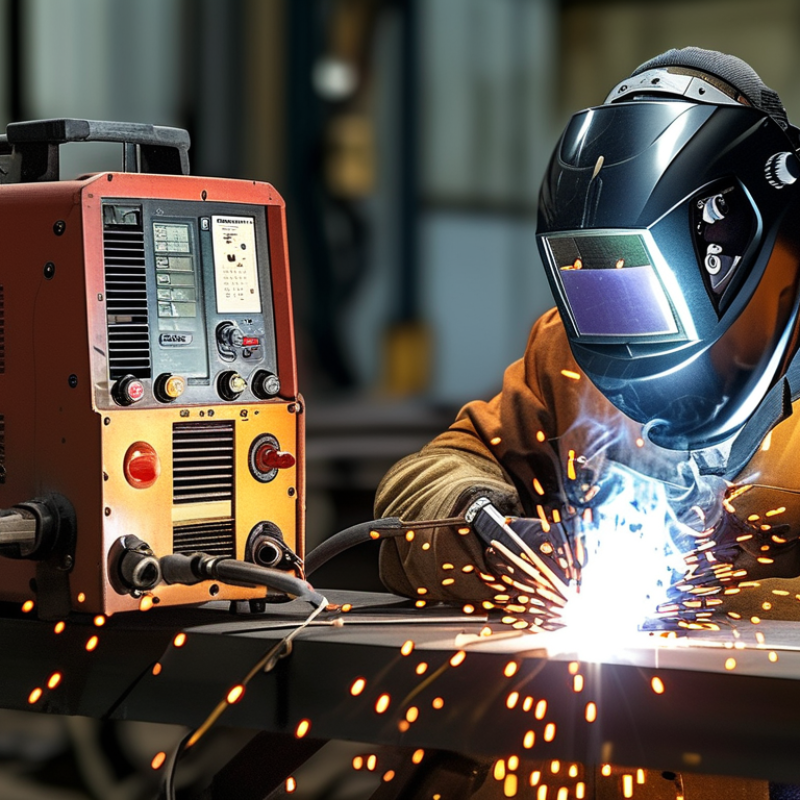
Flux core welding is a unique process suitable for various applications. It uses a tubular wire filled with flux, which creates a shielding gas during the welding process. This method is especially effective for outdoor work, as it is less affected by wind compared to traditional MIG welding. Users appreciate the speed of flux core welding, which can significantly reduce project time.
One significant advantage of flux core welding is its ability to join thicker materials. It works well with metals like steel and is often favored in construction and repair projects. The deep penetration provided by this technique often leads to stronger welds, making it a reliable choice for structural work. However, an occasional downside is the slag created during the process, which may require additional cleanup.
Understanding these nuances helps welders decide if flux core welding meets their project needs. While it offers speed and robustness, the process also demands practice to master the technique effectively. Each project might reveal new challenges, and reflecting on these experiences can lead to improved skills over time.
How to Choose the Best Flux Core Welding Machine for Your Needs?
| Feature | Description | Considerations |
| Power Output | Measured in Amperes (A), determines the thickness of materials you can weld. | Choose according to the maximum material thickness you intend to weld. |
| Duty Cycle | The amount of time you can weld before the machine needs to cool down, expressed as a percentage. | Higher duty cycles are better for heavy use; consider your welding frequency. |
| Wire Feed Speed | The speed at which the filler wire is fed into the weld area, crucial for achieving proper arc and weld quality. | Adjustable settings are preferable for different materials and thicknesses. |
| Portability | The weight and size of the machine, important for mobility, especially in fieldwork. | Consider lightweight models if you’ll need to move frequently. |
| Gasless Welding | Flux core welding can be done without shielding gas, making it suitable for outdoor use. | Ideal for windy conditions or outdoor projects, but check for spatter. |
| Control Settings | Options for adjusting voltage, wire feed speed, and other parameters. | More controls allow for greater customization, which can improve weld quality. |
| Safety Features | Inbuilt features like thermal overload protection and safety shut-offs. | Look for safety features to prevent accidents and ensure longer machine life. |
Key Features to Look for in a Flux Core Welding Machine
When selecting a flux core welding machine, there are several key features to consider. First, examine the power output. Higher amperage allows for thicker materials, providing greater versatility. Look for machines with adjustable settings. These enable you to tackle different welding projects effectively.
Portability is another crucial factor. If you plan to move the machine frequently, select a lightweight option with a convenient handle. Cable length matters too. Longer cables enhance your reach but can also weigh you down. Ensure you find a balance that suits your workspace.
Ease of use is essential for both beginners and experienced welders. A user-friendly control panel can enhance your experience. Some machines may have complicated settings, causing frustration. Look for models with clear instructions and intuitive design. Additionally, consider safety features. Automatic shut-off and thermal overload protection can prevent accidents. Each of these elements contributes to finding the right machine for your needs. Always reflect on your specific requirements to make a wise investment.
Assessing Your Specific Welding Needs and Applications
Choosing the right flux core welding machine starts with understanding your specific needs. Consider the materials you will weld. Are they thick or thin? Different thicknesses require different power settings. A machine with adjustable voltage can handle various projects. Think about the type of work, too. Are you welding outdoors or in a workshop? Outdoor welding can be more challenging due to wind and contamination.
Assess the environment as well. Know the power supply available. Some machines need 220V, while others can work on 110V. It's crucial to ensure your workspace can support your equipment. Also, take note of your skill level. Beginners might prefer simpler models, while experienced welders might look for advanced features. Sometimes, these choices lead to regret. A machine too complex may frustrate a novice, while an overly simple one might limit a skilled welder.
Consider the frequency of use. If you're welding often, investing in a more sturdy, reliable machine makes sense. However, occasional users might not need the same specifications. Reflect on your future projects as well. A machine that meets today’s needs may not serve tomorrow's plans effectively. Balancing current requirements with potential growth is essential. Each choice impacts your welding experience, often in unexpected ways.
Welding Machine Power Rating Comparison
Comparing Different Types of Flux Core Welding Machines
When comparing different types of flux core welding machines, it’s essential to consider a few key factors. A wirefeed design varies widely across models. Some machines are lightweight and portable, perfect for on-site jobs. Others are heavier and more suited for workshop environments. The most suitable option depends on your typical work conditions and mobility needs.
The choice between self-shielded and gas-shielded flux core welding machines also impacts performance. Self-shielded machines offer convenience and usability outdoors, especially in windy conditions. Gas-shielded models, while requiring additional setup, provide cleaner welds and greater control. Yet, a novice welder might find self-shielded options overwhelming at first.
Power output is another critical aspect. Machines vary in voltage and amp settings, which affects penetration and weld quality. A machine with higher amps may produce stronger welds, but it could also lead to more spatter and cleanup work. Understanding these nuances can lead to frustrating experiences. It's important to evaluate your skills and comfort level while choosing the right machine for your specific projects.
Budget Considerations and Cost-Effective Options for Welders
When selecting a flux core welding machine, budget should be a key consideration. Many novice welders often overlook cost-effective options. According to recent industry reports, the average cost of a decent flux core welder ranges between $200 to $600. This range offers reliable machines that can handle various welding tasks without breaking the bank. However, cheaper models might compromise on durability and effectiveness.
Investing wisely can save you money in the long run. Machines priced under $300 often lack features like adjustable voltage or ample duty cycles, which can hinder performance. While more expensive models come equipped with advanced technologies, some features may go unused for beginners. The welding market has numerous affordable brands achieving notable results. Reports indicate that nearly 70% of users feel satisfied with budget-friendly options when used within their capabilities.
Consider the long-term use of the machine when budgeting. If you need it for small projects, a basic model might suffice. However, for extensive work, it’s wiser to spend a bit more initially. Many users regret choosing lower-cost options that barely last. Look for a balance between price and reliability to ensure your needs are met effectively.