
How to Choose the Best Fusion Bonded Epoxy Pipe
Choosing a Fusion Bonded Epoxy Pipe is not simply a matter of comparing price or coating thickness. The right choice depends on the fluid, operating temperature, pressure, pipe dimensions, and installation environment. A coating suited to a buried water line may not perform the same way in a hot process system. Small details matter.
Start with the service conditions. Confirm the required pipe size, steel grade, coating thickness, and compatibility with the conveyed fluid. Ask how the pipe surface is prepared, how the epoxy is applied and cured, and what inspection methods are used. Surface cleanliness and consistent curing can affect adhesion and long-term performance. A smooth finish alone is not proof of quality. Look for traceable test records and clear product specifications, then compare them with the project requirements.
Supplier experience is useful, but it should be supported by evidence. Review technical data, inspection reports, and guidance for storage, handling, and field repairs. If project conditions are uncertain, ask a qualified engineer or coating specialist to assess them before ordering. No single pipe is ideal for every application. Some selection details may only become clear after the system’s actual conditions are examined, so avoid relying on assumptions. This guide explains the key factors to weigh and the questions worth asking before making a decision.
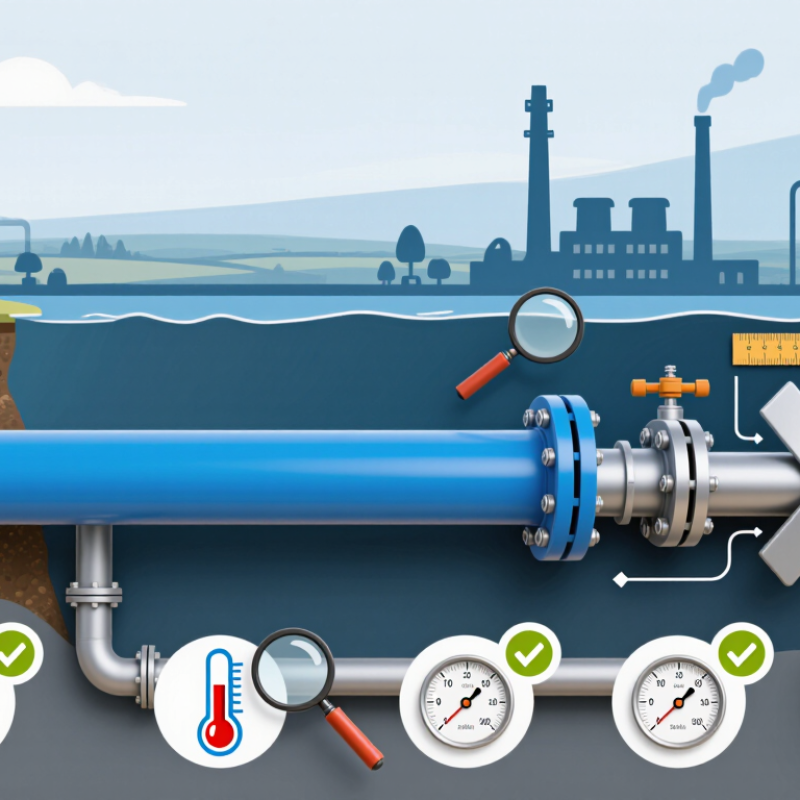
Understanding Fusion Bonded Epoxy Pipe and Its Coating
Fusion bonded epoxy (FBE) is a thermoset coating applied to prepared steel pipe. Heat melts the epoxy powder, which bonds to the surface and cures into a continuous protective layer. It helps limit corrosion and can reduce damage during handling. The finished coating is not magic. Sharp impacts, poor surface preparation, or incomplete curing can leave weak spots beneath an attractive exterior.
When choosing FBE-coated pipe, match the coating system to the service conditions. Consider operating temperature, soil or water exposure, pipe diameter, and installation method. Ask for documented coating thickness, surface-preparation requirements, and inspection results, including holiday testing for discontinuities. Check that the coating specification fits the project, not just a general product description. One detail is easy to overlook: field joints and repairs need compatible materials and careful application. Specifications can miss site conditions, so review them with the project engineer.
Tips: Look for even coverage, without bare steel, blisters, or obvious runs. Confirm inspection records and handling instructions before delivery. Looks matter less. A smooth surface alone cannot prove coating integrity, and actual performance depends on preparation, application, and inspection.
How to Choose the Best Fusion Bonded Epoxy Pipe - Understanding Fusion Bonded Epoxy Pipe and Its Coating
| Selection Factor | Typical Data or Options | What to Check | Why It Matters |
|---|---|---|---|
| Coating type | Fusion bonded epoxy (FBE) is a thermosetting epoxy powder applied to prepared, heated steel and cured to form a continuous coating. | Confirm whether the coating is intended for the pipe exterior, interior, or both, and request the applicable product data sheet. | Coating formulation and application requirements vary with the service environment and pipe surface. |
| Service environment | Consider soil or water exposure, operating temperature, transported fluid, pressure, and the possibility of abrasion or chemical exposure. | Check the manufacturer’s documented chemical-resistance and temperature limits against the project design conditions. | Temperature and chemical compatibility are formulation-specific; a general FBE description does not establish suitability for every service. |
| Coating thickness | Many pipeline FBE specifications use dry-film thicknesses in the few-hundred-micrometre range. The required minimum and acceptable range depend on the coating system and project specification. | Specify minimum, maximum, and measurement method. Check the applicable standard and coating supplier’s qualified product data. | Thickness requirements differ for external and internal coatings and should not be selected by a generic value alone. |
| Surface preparation | Abrasive blast cleaning commonly targets near-white metal cleanliness, such as Sa 2½ under ISO 8501-1 or SSPC-SP 10/NACE No. 2. | Verify cleanliness, surface profile, dust, oil, and soluble-salt requirements before coating. | Contamination or an unsuitable anchor profile can impair coating adhesion and long-term performance. |
| Application and cure | FBE powder is typically electrostatically applied to preheated steel and then cured under controlled conditions. | Review steel preheat, powder application, cure conditions, and process records against the qualified procedure. | Correct application and cure are essential to achieve the coating properties specified for the system. |
| Adhesion and coating integrity | Project specifications may require adhesion, impact, flexibility, and holiday-detection testing. | Confirm the test methods, acceptance criteria, sampling frequency, and repair procedure in the purchase specification. | Testing helps identify disbondment risks, damage, or discontinuities before the pipe enters service. |
| Pipe handling and installation | Coated pipe may be damaged by lifting equipment, stacking, transport, field welding, or lowering into a trench. | Specify suitable padded slings or approved handling methods, end protection, inspection, and field-joint coating requirements. | Preventing mechanical damage helps maintain coating continuity during construction. |
| Standards and documentation | Relevant requirements may include ISO 21809-2 for external pipeline FBE coatings, where applicable, along with project-specific specifications. | Check the standard edition, scope, qualification records, inspection reports, traceability, and repair documentation. | Standards and project documents define the required materials, tests, and acceptance criteria. |
| Repair and maintenance | Localized coating damage is generally repaired using a compatible, approved repair system in accordance with the project procedure. | Confirm repair-material compatibility, surface preparation, application limits, and post-repair inspection requirements. | Repairs should restore protection without introducing incompatibility or leaving uninspected defects. |
Note: Values and test requirements vary by coating formulation, pipe application, governing standard, and project specification. Confirm final selection and acceptance criteria with the applicable engineering documents and coating supplier.