How to Choose the Best Hengchang Quilting Machine?
Choosing the best Hengchang Quilting Machine starts with the quilts you plan to make, not the longest feature list. A compact project for a dining table has different needs from a king-size quilt that must move smoothly across a frame. Before comparing models, measure your workspace, note your largest quilt size, and set a realistic budget for the machine, frame, and accessories. Small details matter.
Compare each machine’s throat space, stitching options, speed controls, and frame compatibility using the manufacturer’s specifications. Check what is included in the quoted price; a frame, quilting feet, or extension table may be sold separately. If you can visit a dealer, bring a fabric sandwich and test how the machine handles your usual batting and thread. Notice whether the controls feel clear and whether you can reach the work comfortably. If an in-person test is not possible, request a demonstration and written answers about setup and maintenance.
A good match also depends on support after purchase. Ask who handles repairs, whether replacement parts are available, and what training or warranty terms apply. Read the details, not just the headline promises. A faster machine may sound appealing, but it will not automatically improve stitch quality or save time if its workspace and controls do not suit your routine. There is no single best Hengchang Quilting Machine for every quilter. This guide will help you weigh practical needs, verify claims, and choose with fewer surprises. It is worth pausing over uncertain specifications; one overlooked limitation can matter more than a feature you rarely use.
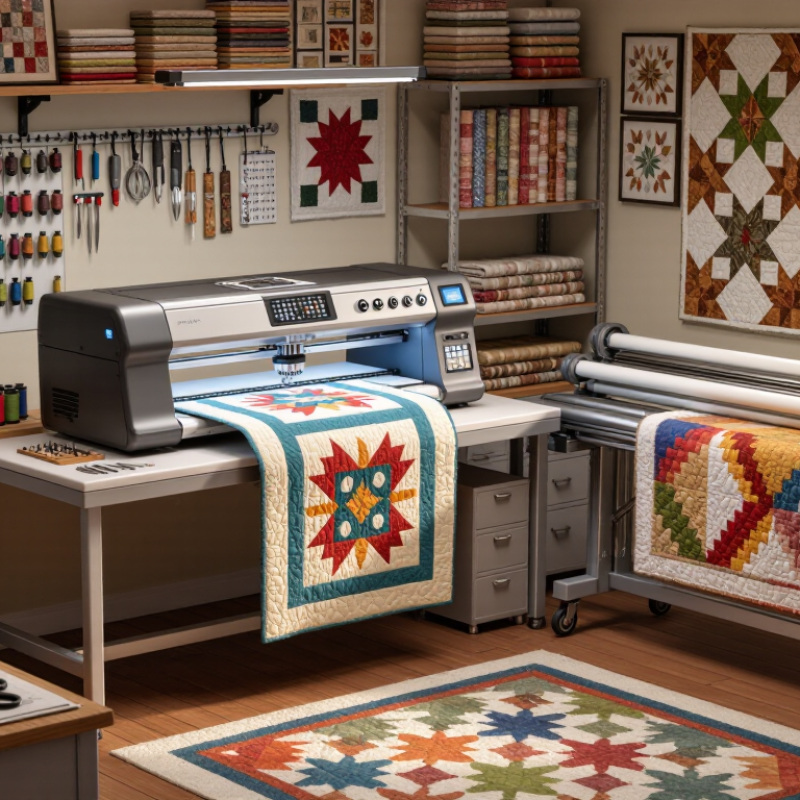
Understanding Hengchang Quilting Machine Types and Uses
How to Choose a Quilting Machine?
Understanding Quilting Machine Types and Uses
Quilting machines generally fall into three groups: domestic, midarm, and longarm. A domestic machine suits small projects, repairs, and careful free-motion work. Its smaller throat space can make bulky quilts harder to handle. Midarm models offer more room for larger blocks and regular home quilting. Longarm machines pair a long throat with a frame, helping users stitch large quilts without constantly repositioning the layers. Some models are designed for sit-down use instead.
Match the machine to your project size, workspace, and experience. A queen-size quilt needs more room than a table runner. Check throat space, frame length, stitch regulation, and whether the machine supports the feet or rulers you plan to use. Test how smoothly fabric moves beneath the needle. A feature list can look impressive, but awkward controls may slow you down. I would not assume the biggest machine is always the best fit.
Tips: Measure your largest quilt and available floor space before shopping. Ask to sew a few lines on layered fabric, not a single scrap. Notice vibration, visibility, and hand comfort. Small details matter. If possible, test before deciding.
Choosing a machine: Larger quilt tops are generally easier to manage on a longarm with a suitable frame; smaller projects can often be quilted on a domestic or mid-arm machine. Check the machine’s throat space and frame capacity against your project. Quilt dimensions are approximate and vary by pattern and maker.
Matching Machine Capacity to Your Quilting Projects
Machine capacity should match the quilts you actually make, not an imagined future workload. For baby quilts and table runners, a compact setup may be enough. Check the throat space: it determines how much rolled fabric can sit between the needle and machine body. Too little room can make a large quilt feel like wrestling a sleeping bag. Small jobs, though, can still be awkward on a cramped table.
For bed-size quilts, look at throat space, frame length, and the machine’s ability to handle repeated use. A larger frame supports more fabric, but it also needs floor space and careful loading. Consider your usual batting and fabric layers; test a sample stack before committing, since thick seams can behave differently from flat cotton. Stitch speed matters too, but steady control is often more useful than a high top speed. Think about workload. A few quilts each year call for different capacity than weekly production. I used to treat maximum speed as the main measure; that misses comfort, setup time, and room to move. Check the manufacturer’s capacity specifications, then compare them with your largest typical project and available workspace.
Comparing Stitching Features, Speed, and Workspace
When comparing a quilting machine, look past the number of built-in stitches. A straight stitch with consistent tension often matters more than dozens of decorative options. Test a sample using the batting and thread you plan to sew with. Check whether stitches stay even at corners and across thicker seams. Small differences show quickly.
Speed is useful only when control stays steady. A variable-speed setting or responsive foot control helps beginners slow down around curves and experienced quilters keep an even rhythm on long seams. Listen for changes in motor sound, and watch for skipped stitches at higher speeds. A fast top speed can look impressive, but it is not always practical.
Workspace may decide whether a large quilt feels manageable. Measure the throat space from needle to machine body, then compare it with the width of your rolled quilt. More room reduces bunching, though it cannot replace a supportive table or a clear path behind the needle. Bring a folded project if possible. Test it. Check lighting and needle visibility, too; these details are easy to overlook. No single specification predicts comfort perfectly, so try a real layered sample before making your choice.
Assessing Ease of Use, Maintenance, and Support
Ease of use affects setup, stitch consistency, and whether a quilting project gets finished. Test the threading path, bobbin access, needle change, and speed control before buying. A clear screen helps, but physical controls should remain easy to reach with fabric under the needle. Small details matter. Ask for a demonstration using a layered quilt sandwich, not an empty machine.
Maintenance deserves equal attention. Check whether lint collects around the bobbin case and how easily the feed dogs can be cleaned. Look for a readable maintenance schedule, accessible replacement parts, and clear troubleshooting steps. A machine that needs frequent adjustment can quietly steal sewing time. This is easy to miss. No model is maintenance-free, and demonstrations rarely show cleanup.
Support matters after purchase. The 2023 State of the Connected Customer report found that 80% of customers consider their experience with a company as important as its products and services. For a quilting machine, check response times, repair options, parts availability, and access to knowledgeable technicians. A 2018 Future of Customer Experience report found that 73% of consumers consider experience an important purchasing factor. These figures describe customer expectations, not machine-specific service quality. Ask practical questions and note whether the answers are precise. A vague warranty explanation deserves a second look.
Choosing a Model That Fits Your Budget and Needs
Choosing a quilting machine starts with the projects you actually make, not the largest model you can afford. Measure your usual quilt width and check how much throat space the machine provides. A small workspace can make a wide frame awkward, even when the machine’s features look appealing. Be realistic about where the frame will stand and how often you can use it.
Set a budget that includes more than the machine. Frames, rulers, needles, maintenance, and training can add meaningful costs. Compare stitch regulation, speed controls, included accessories, and the availability of clear service support. If possible, test the machine on several fabric layers and listen for vibration or strain. Small details matter.
A higher speed may save time, but it is not useful if you struggle to guide the fabric comfortably. It is easy to overbuy. I would leave room in the budget for supplies, though that may mean choosing fewer advanced features. Check the written warranty and operating instructions before deciding, and make sure replacement parts are accessible. A model that fits your space, skill level, and regular workload is often a better value than one with impressive specifications you rarely use.