How to Choose the Best Prefabricated House for Your Needs?
As the housing market evolves, "Prefabricated Houses" have gained significant traction. According to a report from the National Association of Home Builders, prefabricated homes can reduce construction times by 30% to 50%. This efficiency not only saves time but also often results in lower costs for homeowners. In 2021, prefabricated homes accounted for nearly 3% of new home sales, illustrating their growing popularity.
Choosing the right prefabricated house requires careful consideration. Homebuyers must evaluate various factors, including design, materials, and energy efficiency. A study by the McKinsey Global Institute found that sustainable building practices in prefabricated homes can reduce energy consumption by up to 70%. However, not all prefabricated homes meet these high standards, which can lead to challenges in energy efficiency over time.
Many consumers may overlook essential aspects like zoning regulations or site preparation. Understanding local laws is crucial before making a decision. The complexities of selecting a prefabricated house can lead to potential pitfalls, emphasizing the need for reliable information. Thus, thorough research and expert consultations can guide buyers toward the best options tailored to their needs.
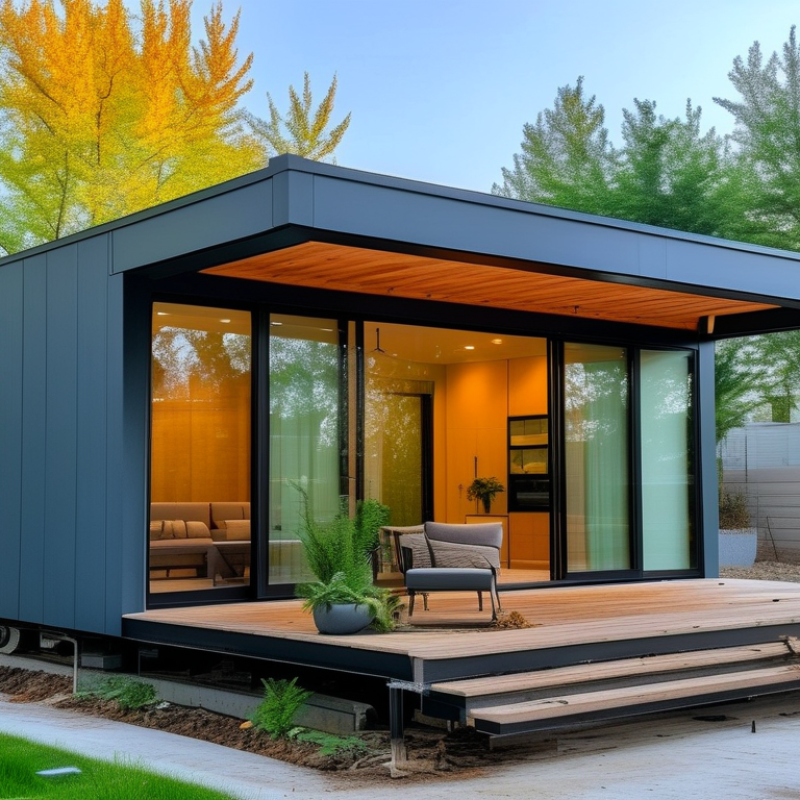
Factors to Consider When Choosing a Prefabricated House
Choosing a prefabricated house can be overwhelming. Various factors significantly impact your decision. Start with your budget. It's crucial to know how much you're willing to spend. Costs can vary widely based on size and materials. Aim for quality but remain realistic.
Next, consider the location of your home. Different climates demand different materials. Ensure your prefabricated house can withstand environmental challenges. Think about local building codes as well. Requirements will differ from area to area. Pay close attention to these details to avoid future headaches.
Tips: Research energy efficiency options. Look for designs that maximize natural light. Those small changes can lower utility bills. Also, investigate the company’s reputation. Check reviews and previous projects. This step helps in gauging their reliability and craftsmanship. Discuss your needs clearly with the manufacturer; misunderstandings can lead to dissatisfaction.
Types of Prefabricated Houses and Their Benefits
When considering prefabricated houses, various types offer distinct benefits. Modular homes stand out for their flexibility. They are built in sections and assembled on-site. According to industry reports, modular homes typically cost 10-20% less than traditional homes. They are energy-efficient, helping owners save on utility bills.
Another popular option is panelized homes. These homes are constructed from large wall panels. They can be customized easily to fit the buyer's needs. This customization often leads to unique architectural styles. Additionally, panelized homes can be erected quickly, allowing for faster occupancy.
**Tips**: Assess your budget thoroughly. Research local regulations on prefabricated construction. Understand the specifics of land preparation and foundation requirements, which can vary significantly. Frequent concerns include finding reliable contractors; not all are experienced with prefabricated assembly. Some buyers regret not vetting their options carefully. Be meticulous in your planning to avoid potential pitfalls.
How to Choose the Best Prefabricated House for Your Needs? - Types of Prefabricated Houses and Their Benefits
| Type of Prefabricated House | Description | Benefits | Ideal For |
| Modular Homes | Built in sections or modules that are transported and assembled on site. | Quick construction, customizable designs, environmentally friendly. | Families needing quick housing solutions. |
| Panelized Homes | Constructed using wall panels that are assembled on the foundation. | Lower transportation costs, energy efficient, can be built in stages. | Homeowners looking for gradual builds. |
| Pre-Cut/SKD Homes | All parts are pre-cut and assembled by the owner or a contractor. | Cost-effective, DIY-friendly, customizable layout. | DIY enthusiasts and budget-conscious buyers. |
| Concrete Homes | Constructed with concrete panels or blocks that can be produced off-site. | Durability, low maintenance, energy efficiency. | Those in disaster-prone areas. |
| Tiny Homes | Compact living spaces typically under 400 sq. ft. | Saves money, promotes minimalism, easy to transport. | Minimalist lifestyle advocates and first-time homeowners. |
Evaluating Construction Quality and Materials
When selecting a prefabricated house, the construction quality is paramount. According to a recent report by the National Institute of Standards and Technology (NIST), nearly 25% of all construction defects are linked to poor material choices. Therefore, assessing the building materials is essential. Look for certifications that ensure the materials are environmentally friendly and durable.
The design and assembly methods also impact quality. Studies show that modular homes can be up to 20% stronger than traditional homes due to precision in factory settings. This strength often stems from advanced engineering techniques and high-quality materials. A reliable prefabricated house will often use steel frames, insulated panels, and moisture-resistant products.
However, not all builders adhere to the highest standards. Some prefabricated houses may cut costs by opting for inferior materials. This creates potential risks for the homeowner. Indications of poor quality can include uneven surfaces or inadequate insulation. It is crucial to visit previous projects or conduct thorough research to ensure your investment is sound.
Understanding Budget and Cost Considerations
When considering a prefabricated house, budget plays a pivotal role. According to a 2023 report by the National Association of Home Builders, modern prefabricated homes can cost 10% to 20% less than traditional homes. This significant saving makes them appealing for budget-conscious buyers. However, understanding the full cost is vital. Beyond purchase price, consider land, utilities, and additional site work.
Financing options can also impact your budget. Many buyers of prefabricated homes utilize specialized loans. These loans may offer flexible terms which can ease monthly payments. However, not all lenders are familiar with prefabricated homes. This might complicate the financing process. Researching and consulting with experts who understand these homes is essential.
Design choices further affect costs. Some elements may seem inexpensive, but they can add up. For instance, customizing interiors or upgrading materials can inflate the budget significantly. It's essential to weigh the pros and cons of these choices. Reflecting on long-term costs can provide a clearer budget picture. Planning ahead ensures that you remain within your financial limits while meeting your housing needs.
Selecting a Suitable Location for Your Prefabricated House
Choosing the right location for your prefabricated house is crucial. The landscape can heavily influence both aesthetics and practicality. A flat, stable plot is preferable for construction. However, not all flat areas are ideal. Proximity to essential services matters too. Consider how far you'll be from schools, hospitals, and shops.
Zoning laws vary by region. It's important to understand these regulations. Some areas may not support prefabricated homes. Additionally, think about community amenities. Access to parks or recreational areas can enhance your living experience. Yet, overly busy locations might bring noise and congestion.
Soil quality is another key factor. Good drainage can prevent future issues. Heavy rainfall might lead to flooding on poorly drained land. Always survey the soil before making a decision. Seeking expert advice in these areas can be beneficial. Balancing personal preference with practical considerations is vital. This will help you create a comfortable and sustainable living space.