How to Choose the Best Quick Connect Fitting for Your Needs?
Choosing the right Quick Connect Fitting can significantly enhance your project’s efficiency. Data from industry reports indicates that improper fittings account for nearly 30% of connection failures. These failures can lead to costly downtime and repairs. Understanding the right type of quick connect fitting can avoid these issues.
When selecting a quick connect fitting, consider factors like material compatibility and pressure ratings. A report by the National Fluid Power Association revealed that nearly 40% of fluid systems experience leaks due to mismatched fittings. This highlights the importance of proper selection based on your specific needs.
However, not every fitting is created equal. Users often overlook the nuances of size and operational environment. A poorly chosen fitting can cause performance issues and safety risks. Awareness of these details helps ensure reliable connections. Always take the time to evaluate your requirements accurately.
Understanding Quick Connect Fittings and Their Applications
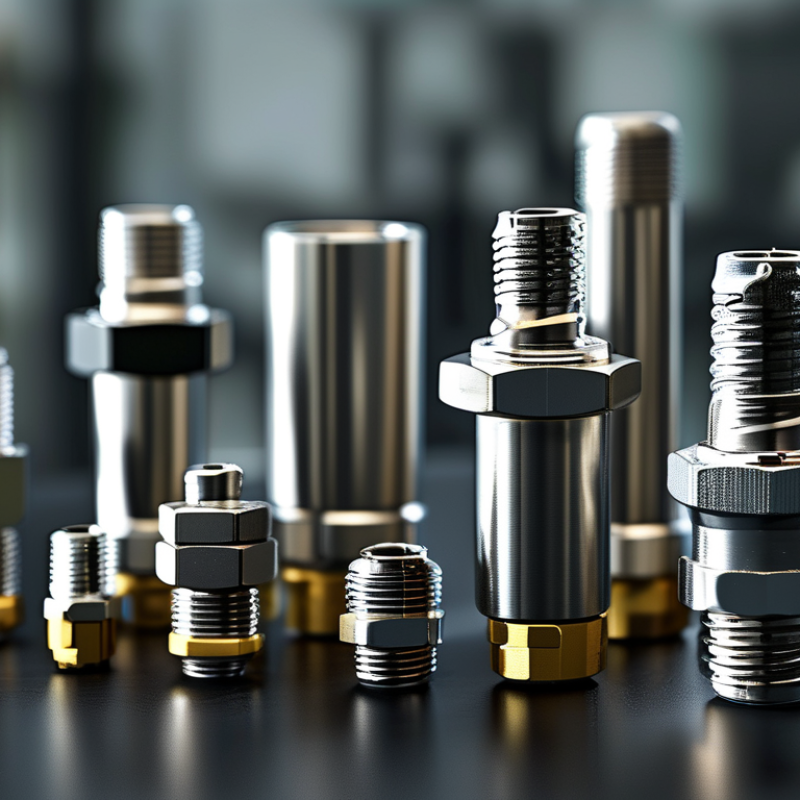
Quick connect fittings play a crucial role in various applications, from industrial machinery to household appliances. These fittings enable quick and easy connection of hoses or pipes, enhancing workflow and reducing downtime. According to a report by the International Fluid Power Society, about 70% of equipment failures are due to improper connections. Understanding the right fitting for your project can prevent costly mistakes.
When selecting a quick connect fitting, consider the material used. Plastic fittings are lightweight and resistant to corrosion, while metal fittings offer durability and strength, especially in high-pressure environments. Ideal applications for plastic include garden irrigation, whereas metal fittings are best suited for industrial applications. The right choice can significantly impact system efficiency.
Consider compatibility with existing systems. Not all fittings are interchangeable. Taking measurements and consulting technical specifications is critical. Misalignment may lead to leaks or even damage equipment. Looking at the types of connections you need, like thread or clamp, can simplify the process.
For optimal performance, keep fittings clean. Contaminants can lead to system failures. Regular checks on seals and connections will maintain integrity. Functioning equipment is essential for productivity. Analyzing your experiences can lead to better choices in the future.
How to Choose the Best Quick Connect Fitting for Your Needs?
| Type of Fitting | Material | Pressure Rating | Temperature Range | Applications |
| Brass Quick Connect | Brass | 300 psi | -40°F to 250°F | Pneumatic systems, water hoses |
| Plastic Quick Connect | Nylon | 150 psi | -4°F to 140°F | Air and water connections |
| Stainless Steel Quick Connect | Stainless Steel | 500 psi | -30°F to 400°F | Industry, fuel systems |
| Aluminum Quick Connect | Aluminum | 250 psi | -20°F to 300°F | Hydraulic applications |
| Copper Quick Connect | Copper | 200 psi | -40°F to 220°F | Cooling systems, HVAC |
Identifying Your Specific Needs for Quick Connect Fittings
Choosing the right quick connect fitting starts with understanding your specific needs. Consider the application and environment where the fitting will be used. Is it for a high-pressure situation or a low-flow system? Different applications demand different types of fittings. Material choice is also critical. Some materials are better suited for chemicals, while others work best in extreme temperatures.
Understanding the size requirements is equally essential. Measure the tubing or hoses you plan to connect. Ensure compatibility to avoid leaks or system failures. A mismatched size can lead to significant setbacks in your projects. It's easy to overlook these details, but they are crucial for a secure connection.
Before making a purchase, think about your long-term needs. Will you require additional fittings in the future? Choosing a fitting that fits multiple applications may save you time and money. Reflect on any changes you might face. The landscape of your project may shift, and flexibility can be beneficial.
Evaluating Material Options for Durability and Compatibility
When selecting a quick connect fitting, material choice is crucial for ensuring durability and compatibility. Various materials impact performance. For instance, stainless steel fittings are known for their corrosion resistance. According to the Fluid Power Journal, stainless steel maintains integrity in high-pressure applications, making it a solid choice for hydraulic systems.
Plastic fittings, on the other hand, are lightweight and can be cost-effective alternatives. They perform well in low-pressure environments. Reports indicate that nylon fittings are suitable for chemical compatibility. Yet, they may not withstand extreme temperatures, leading to potential failures. Research by the Institute of Fluid Power shows that proper material selection can improve system reliability by up to 30%.
Consideration of working conditions is essential. If the environment is prone to high humidity or exposure to corrosive substances, the right materials will prolong service life. However, factors such as installation methods and maintenance routines can influence performance. Inadequate attention here might lead to unintended leaks or component breakdown. The balance between cost and material characteristics often requires deeper analysis, ensuring timely reflections on fit-for-purpose choices.
Material Options for Quick Connect Fittings
This chart illustrates the durability ratings of various materials used for quick connect fittings. Each material is assessed on a scale from 1 to 10, helping you to choose the most appropriate option based on durability.
Assessing Size and Thread Types for Optimal Fit
When selecting quick connect fittings, size and thread types are crucial for ensuring a proper fit. Begin by measuring the diameter of your tubing or pipe. This measurement typically dictates the fitting sizes you will consider. An incorrect size can lead to leaks, pressure drops, and system failures. Be sure to check your fittings against standard sizes in your industry. You may find gaps in your understanding when comparing various dimensions.
Next, thread types vary significantly among fittings. Common types include NPT (National Pipe Thread) and BSP (British Standard Pipe). Each type has unique specifications and applications. Knowing the thread type is essential to prevent cross-threading issues. Many users overlook this detail until it's too late. Mismatched threads can lead to frustrating leaks that compromise safety and efficiency. Engage with resources and experts to deepen your understanding of thread compatibility.
Lastly, consider future maintenance. Choose fittings that allow for easy disassembly. If your needs change, adaptability will save time and effort. Mistakes in fitting selection often stem from rushing the process. Don't hesitate to consult professionals or forums to validate your choices. Reflect on previous experiences to refine your decision-making for optimal results.
Exploring Key Brands and Manufacturer Reputation in Quick Connect Fittings
When selecting quick connect fittings, it's crucial to consider the reputation of manufacturers. A brand’s history can offer insights into product reliability. Some vendors have years of industry experience. Their well-established practices often lead to high-quality fittings. Previous customers’ feedback reflects their real-world performance. This can guide you to the most trustworthy options.
However, not all brands maintain uniform quality. Some may excel in one area while lagging in others. It is wise to investigate customer reviews and expert opinions. Look for consistent praise in areas like durability and ease of use. Manufacturers with a strong track record in various applications are generally more reliable. Yet, it’s essential to remain critical and avoid settling for the first brand encountered.
Understanding the materials used is equally important. Different settings may require varied compositions. A brand's commitment to using high-quality materials is often a strong indicator of its reputation. Thus, examining manufacturer transparency regarding sourcing and production processes can be beneficial. Exploring these factors will help you make informed decisions for your specific needs.