How to Choose the Best Sheet Metal Prototyping Services?
In the dynamic world of manufacturing, choosing the right Sheet Metal Prototyping services can be a daunting task. "The right prototype is a critical stepping stone in both design and production," says John Miller, a seasoned expert in sheet metal engineering. His insight emphasizes the importance of selecting a reliable service provider.
Sheet Metal Prototyping is essential for creating accurate representations of product designs. A proficient service enhances the design process and minimizes costly mistakes. A lack of expertise in this field can lead to prototypes that do not meet specifications. This may result in delays and extra costs, making it crucial to choose wisely.
When evaluating providers, consider their experience and portfolio. Each project reflects their capabilities. Customer testimonials provide clarity on their reliability. It’s necessary to reflect on whether a service has delivered quality consistently. A detailed evaluation can pave the way to achieving your project goals effectively.
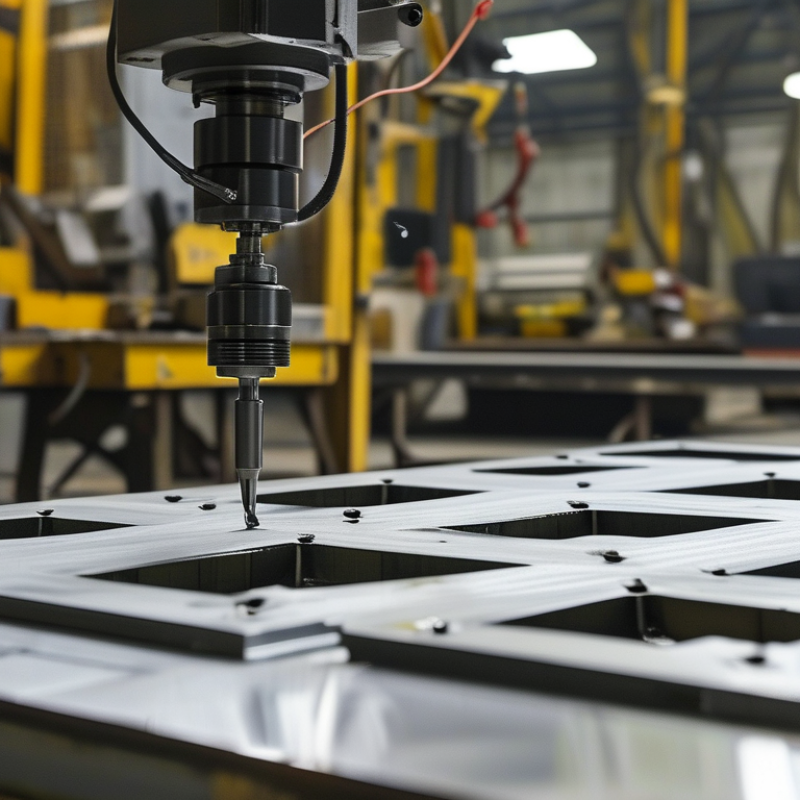
Factors to Consider When Selecting Sheet Metal Prototyping Services
When selecting sheet metal prototyping services, consider various critical factors. The service provider's experience plays a crucial role. Companies with a history in the industry often demonstrate proficiency in complex projects. According to a recent report by SME, experienced firms deliver prototypes 30% faster on average. This efficiency can significantly impact your project's timeline.
Additionally, examine the technology used in the prototyping process. Advanced techniques like laser cutting and CNC machining offer enhanced precision and flexibility. According to a study by Statista, companies utilizing advanced technologies report a 20% increase in design accuracy. This level of detail is vital for achieving functional prototypes that meet your specifications.
Another factor is customer support. Clear communication is vital during the prototyping process. It ensures that any changes are implemented on time. A survey by Engineering.com highlights that 65% of clients value responsive support as a key factor in service satisfaction. Good support can prevent potential roadblocks and misunderstandings.
Be aware of your budget. It’s essential to balance cost with quality. Low-priced services may compromise on materials or technology. Investigating multiple providers can reveal a good balance of price and proficiency. Understanding long-term implications of choices made during prototyping is important.
Understanding Different Sheet Metal Fabrication Techniques and Their Applications
When it comes to sheet metal fabrication, understanding the various techniques can significantly impact your prototyping process. Techniques like laser cutting, CNC machining, and bending each have unique advantages. For instance, laser cutting is renowned for its precision. Reports show it can achieve tolerances as tight as 0.01 mm, making it ideal for intricate designs.
CNC machining, another prevalent method, offers superior repeatability. However, it often requires more setup time compared to other methods. According to industry studies, 35% of manufacturers reported longer lead times due to complex machining setups. This highlights the need to weigh speed against precision when choosing a technique.
Bending is crucial for creating 3D shapes from flat sheets. The angle and tooling used can greatly influence the final product’s accuracy. Research indicates that improper bending can lead to up to 30% material waste. It’s vital to have experienced operators who can minimize errors during this process. In the end, each technique serves specific applications depending on your project requirements. The choice should reflect both expertise and the intended functionality of the prototype.
Evaluating the Quality Standards and Certifications of Prototyping Companies
When selecting a sheet metal prototyping service, examining quality standards and certifications is crucial. Reliable companies should adhere to industry benchmarks such as ISO 9001, which ensures consistent quality across their processes. This certification indicates a commitment to quality management and customer satisfaction. Companies without these qualifications may lack the necessary expertise and professionalism required to deliver exceptional prototypes.
Consider the specific materials used in production. High-quality prototyping services will use durable materials, ensuring prototypes withstand testing and real-world application. Additionally, check for compliance with relevant safety and environmental standards. This will not only reflect the company’s credibility but also demonstrate its commitment to sustainability in manufacturing practices.
Be wary of companies that boast quick turnaround times without emphasizing quality. Rushing through the process can result in flawed designs. Evaluate their portfolio and request samples, if possible. It’s essential to observe their workmanship and attention to detail. Sometimes, even highly recommended services can fall short in specific areas. Engaging with former clients for feedback can provide insights into the company’s reliability and integrity.
Cost Analysis: Comparing Quotes and Budgeting for Sheet Metal Prototypes
When evaluating sheet metal prototyping services, one critical factor is cost analysis. Understanding quotes helps in budgeting accurately. Industry data shows that sheet metal prototyping can range from $2,000 to $15,000 depending on complexity and volume.
Market research reveals that around 40% of companies often face surprises in costs. This creates the need for a transparent pricing structure upfront. Companies should request detailed breakdowns of materials, labor, and overhead. A clear quote allows for better financial planning.
Cost-saving strategies include comparing at least three quotes. This not only highlights price differences but also exposes variations in design and material quality. Always question the assumptions behind the quotes. Remember, the cheapest option may compromise quality and lead to higher long-term expenses. Analyzing all options helps identify the right fit for projects.
Importance of Lead Time and Production Capacity in Prototyping Services
Choosing the right sheet metal prototyping service requires careful consideration, especially regarding lead time and production capacity. Lead time is crucial for keeping your project on schedule. Delays can lead to increased costs and missed deadlines. Understanding a service's typical turnaround time can help you plan better. Some companies offer expedited services for urgent projects, but this often comes at a premium.
Production capacity is equally important. A service provider must have the machinery and workforce to handle your specific project volume. It's essential to ensure they can scale up production if needed. A mismatch can lead to bottlenecks and frustration. Researching past projects or asking for examples can provide valuable insight into their capabilities.
When evaluating potential services, consider asking direct questions about their lead times. It’s valuable to know their busiest periods and whether they can accommodate your needs during those times. Keep an eye on their communication; a reliable partner should respond promptly. Perceived delays in communication might indicate larger issues down the line. Balancing speed and quality is key, and reflection on your specific requirements can guide the selection process effectively.