How to Choose the Best Steel Chisel for Your Project?
A steel chisel can look simple, yet its performance depends on more than hardness alone. Choosing the right tool begins with the material, work angle, and expected impact force. A cold chisel suits cutting metal, while a masonry chisel handles brick, block, and concrete. Woodworking requires a different edge geometry and a cleaner striking method. Confusing these roles can damage the workpiece or shorten the tool’s life.
This guide draws on common workshop practice, manufacturer specifications, and practical inspection habits. It explains how to compare alloy quality, edge retention, shank design, grip comfort, and head durability. Look for clearly stated steel grades, heat-treatment information, and realistic use limits. A bright finish does not prove superior quality. Nor does a heavy body guarantee better control. Hold the tool in your hand, if possible. Check for straightness, secure handles, even bevels, and visible cracks before use. Wear suitable eye protection, keep nearby surfaces stable, and replace damaged tools promptly. These are ordinary details, but they prevent expensive mistakes.
Experience teaches a less convenient truth: the most costly Steel Chisel is not always the best choice. A budget model may perform well during occasional repairs, while demanding daily work needs consistent metallurgy and ergonomic design. Personal technique matters too. Even careful users can choose poorly when project conditions change. This guide encourages readers to reassess those assumptions and select a chisel suited to the task, material, and working environment.
Understanding Steel Chisel Types and Their Primary Uses
How to Choose the Best Steel Chisel for Your Project?
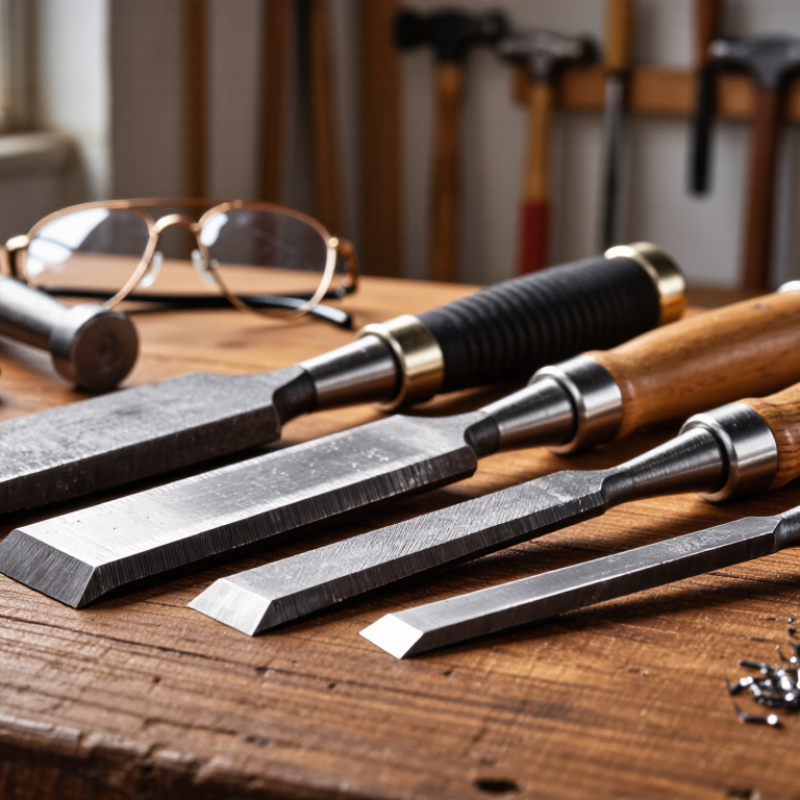
Understanding steel chisel types makes selection easier. A cold chisel has a flat, strong edge for cutting mild steel, bolts, and stubborn fasteners. A cape chisel has a narrow cutting point, useful for starting grooves or splitting metal. For brick and concrete, choose a masonry chisel with a broad, reinforced head. It helps remove mortar, shape blocks, and clear damaged surfaces. A wood chisel is different. Its thinner edge suits timber, not heavy striking or masonry work.
The handle and striking end matter too. A thick shaft feels steadier during repeated blows. A capped chisel can tolerate hammer impacts better than a delicate woodworking tool. Check the working edge before use. It should be straight, clean, and free from deep chips. I once chose a narrow chisel for a wide metal cut. It worked, but the task became slower and less controlled. That mistake still influences my tool choices.
Tips: Match the edge width to the job. Use a wide blade for broad removal and a narrow blade for channels. Wear eye protection and keep both hands clear of the impact path. Never use a mushroomed chisel head, because broken fragments may fly. Clean the tool after use and store it dry. A small amount of rust can spread quickly. I sometimes overvalue hardness, but balance and grip deserve equal attention.
Matching Chisel Materials to Your Project Requirements
Choosing the best steel chisel starts with the material, not the handle shape. Your project decides how hard, tough, and wear-resistant the blade should be. For general metal cutting, medium-to-high carbon steel offers a useful balance. It can hold a sharp edge while tolerating controlled hammer blows. Heat treatment matters as much as the steel label. An unevenly hardened chisel may chip or deform unexpectedly. It matters.
Chrome-vanadium alloy steel suits repeated workshop use and tougher impact work. Its alloying elements can improve toughness and resistance to deformation. Choose it for cutting bolts, separating joints, or shaping strong metal.
For brick, block, or stone, use a masonry chisel with a tougher working edge. Some models include carbide reinforcement for abrasive materials. That option lasts longer, but it can be less forgiving after a sharp impact. Match the material to the surface. Do not overbuy.
For light scraping or soft materials, an extremely hard edge may be unnecessary. A durable carbon-steel chisel can be more economical and easier to maintain. Check the stated hardness range when specifications are available. Inspect the striking head for mushrooming before every session. Wear eye protection, and replace tools showing cracks or deep chips. I once chose a very hard chisel for a stubborn fitting. It resisted wear but transferred too much shock to my hand. That experience changed my selection method. I now weigh impact frequency, material hardness, edge retention, and replaceability. No steel grade solves every problem. When specifications are unclear, test gently on a noncritical area and reassess.
Selecting the Correct Chisel Size, Shape, and Edge Design
Choosing a steel chisel starts with the material, not the handle color. For masonry, a broad cold chisel spreads impact and reduces edge collapse. For metal, a narrower blade offers better control. A 6–12 mm edge suits small cuts, while 18–25 mm handles heavier removal. Match the length to your grip and striking distance. Short tools feel precise. Long tools provide reach, but they can twist under force.
Edge shape matters as much as size. A flat edge suits general cutting, while a cross-cut edge opens narrow grooves. A pointed chisel concentrates force on hard spots, though it may leave deeper marks. The U.S. Bureau of Labor Statistics reported more than 700,000 nonfatal workplace cases involving contact with objects and equipment in its 2023 injury data. That figure is not chisel-specific, but it shows why controlled impact deserves attention. HSE recorded 61,663 nonfatal injuries under RIDDOR in 2023/24. Check the edge before use. Look for mushrooming, chips, or blue heat marks. Discard questionable tools.
In workshop practice, I once chose a narrow chisel for a wide cut. It wandered and damaged the surface. My selection was technically possible, but poorly judged. I now compare edge width, bevel angle, and expected impact before striking. A sharper edge is not always better. Keep hands clear, wear eye protection, and use a suitable striking tool. Inspect the edge again after several blows. Data sources: U.S. Bureau of Labor Statistics, Survey of Occupational Injuries and Illnesses, 2023; UK Health and Safety Executive, Statistics in Great Britain, 2023/24.
How to Choose the Best Steel Chisel for Your Project?
Select the correct chisel size, shape, and edge design by matching the cutting width to the task. Narrow chisels concentrate force for precision work, while wider chisels remove material faster.
The chart shows common steel chisel widths and their typical applications. Use narrow pointed or cold chisels for concentrated force and tight areas; choose wider flat or bolster chisels for trimming, splitting, and general material removal. Always match the edge profile to the material and use appropriate eye and hand protection.
Evaluating Handle Comfort, Safety, and Tool Durability
Choosing the best steel chisel starts with the handle, not the shiny cutting edge. In practical workshop use, a comfortable grip reduces fatigue and improves control. I used to choose heavier tools, assuming weight meant strength. That choice often made precise work harder.
Fit matters. Hold the chisel with dry hands and check whether the handle feels secure without excessive pressure. A slightly textured surface can prevent slipping, but aggressive patterns may create hot spots after long use. Rounded edges usually feel better during repeated strikes. For impact work, choose a handle designed to resist splitting and mushrooming. Inspect it before every session. Small cracks can worsen quickly.
Safety depends on both design and habits. Wear eye protection, keep your support hand behind the cutting path, and use a hammer suited to the chisel size. Never continue with a damaged handle or a visibly rolled striking end. The cutting edge should be sharp enough to work efficiently, but not so fragile that it chips under normal force. Tool durability also depends on steel quality, heat treatment, and storage. Wipe away moisture after use and protect the edge during transport. A durable chisel should retain its shape, resist corrosion, and remain predictable under pressure. Still, no tool lasts forever. I have overlooked minor edge damage before, and the resulting poor cut reminded me to inspect more carefully.