How to Choose the Right Excavator Bucket
Choosing the right Excavator Bucket can make a job smoother, safer, and more productive. The wrong bucket may slow digging, strain the machine, or leave a trench with uneven edges. Small details matter. Soil that looks firm at the surface may turn sticky after rain, while broken rock can wear cutting edges quickly.
Start with the work itself. General-purpose buckets suit many everyday digging tasks, but they are not ideal for every material or finish. A narrow trenching bucket can create a more precise cut. A heavier-duty design may be better for abrasive ground, though added weight can affect machine balance and fuel use. Check the excavator’s operating specifications, including bucket capacity, pin dimensions, and permitted load. Compatibility is essential.
Then consider the site conditions. Clay, sand, gravel, and rock each place different demands on the bucket, teeth, and cutting edge. Think about trench width, digging depth, lifting requirements, and how often the bucket will be used. These choices are connected. A wider bucket may move more material per pass, but it can also be harder to fill in dense soil. There is no universal “best” option.
A careful selection process compares the job, the machine, and the bucket’s construction rather than relying on appearance alone. Ask a qualified dealer or equipment specialist to confirm fit and performance when specifications are unclear. Even experienced operators can overlook a mismatch. Recheck the choice when site conditions change; the right bucket for one phase may not suit the next.
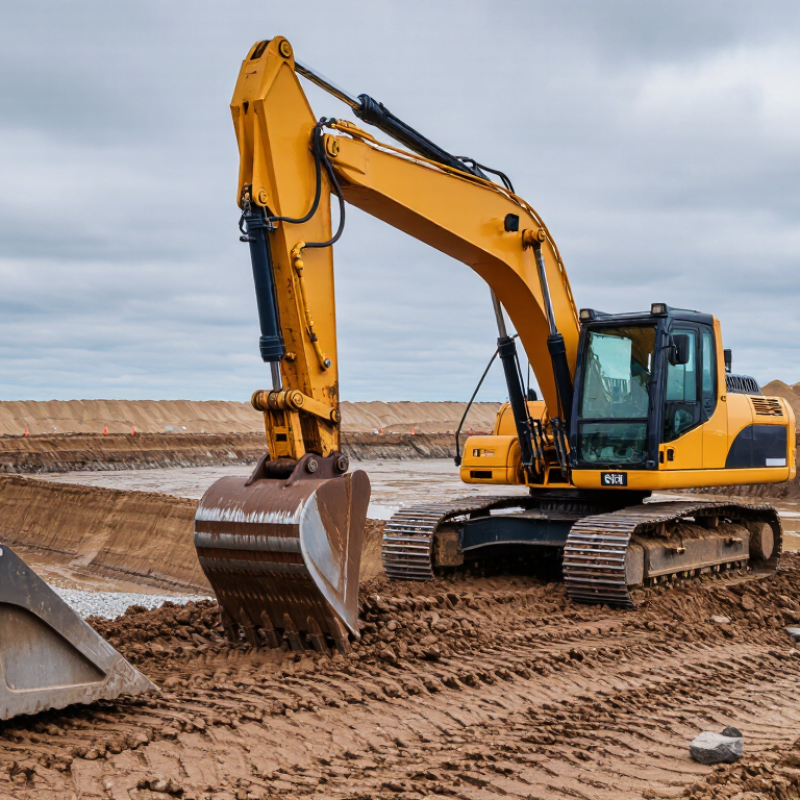
Identify the Excavation Task and Working Conditions
Choosing an excavator bucket starts with the material and the shape of the work. Digging a narrow utility trench calls for a narrower bucket than clearing a broad area. Start with the cut. Check whether the soil is loose, compacted, sticky, or mixed with gravel. Sticky clay can cling to a smooth bucket, slowing each cycle. Mud changes everything. A bucket with suitable spacing between teeth may release soil more cleanly, while rockier ground usually needs tougher teeth and a reinforced cutting edge. Match the bucket width to the trench or excavation plan, not just the machine’s available power.
Working conditions matter just as much. On a cramped site, a smaller bucket can give the operator better control near pipes, foundations, or marked boundaries. In open ground, a wider bucket may move more material per pass, but only if the excavator can handle the added load safely. Check the machine’s rated capacity and the bucket’s weight before fitting it. Consider ground firmness, slope, access, and how far soil must be carried. A wet, uneven site may reduce stability, even with the right attachment. One easy detail to miss is wear: blunt teeth and a damaged edge can make a suitable bucket perform poorly. Inspect them before work begins, and reassess when the material changes. The first choice may not stay right all day.
How to Choose the Right Excavator Bucket
Identify the excavation task and working conditions
Qualitative planning guide: ratings indicate how well each bucket style generally suits the task, on a scale of 1 (limited fit) to 5 (strong fit). Actual selection depends on material, trench or ditch dimensions, machine capacity, and site conditions. Check the excavator and bucket specifications before use.
Match Bucket Type to Material and Application
Bucket choice starts with the ground, not the excavator’s appearance. A general-purpose digging bucket suits mixed soil, clay, and loose gravel, where digging and loading alternate. Its moderate width and curved profile help it fill without forcing every pass. Dense, compacted ground or fractured rock calls for a narrower, heavier-duty bucket that concentrates force and resists abrasion. Progress may be slower. Teeth and cutting edges still wear.
For sand, mulch, or dry topsoil, a wider clean-up bucket moves more material during grading or ditch shaping. It is a poor choice for prying stones from hard ground. Sticky clay can cling inside, so a smooth interior may help material release. Wet soil changes the calculation. Check bucket capacity against the excavator’s lift limits and the material’s weight; a bucket of wet soil can surprise even an experienced operator. Small details matter. I have seen crews choose a bucket too wide for trench work, then spend time correcting the edges. It happens. Reassess the fit when the material or task changes.
Check Bucket Capacity and Excavator Compatibility
Bucket capacity should match the material, not just the excavator’s size. Loose topsoil fills differently from wet clay, and a bucket that looks modest can become too heavy when loaded. Check the bucket’s struck and heaped capacities, then compare the estimated material weight with the machine’s rated lift capacity at the working reach. That number changes as the boom extends. Keep a margin for uneven ground and material that clings to the bucket.
Not just volume. Confirm the bucket’s pin diameter, pin spacing, and width match the excavator’s coupler or linkage. A mismatch can cause poor fit, excess play, or installation problems. If the bucket uses hydraulic functions, verify that the machine has compatible lines and connections. Also consider digging force: an overly wide bucket can slow work in dense soil, while a narrow one may require more passes. Check the operator manual and attachment specifications before buying. Field estimates are imperfect; a quick weight calculation can miss moisture and packed material. Recheck the figures against the actual job conditions.
Compare Bucket Construction, Edges, and Teeth
Bucket choice starts with construction. Inspect the shell, side plates, welds, and cutting edge; a stiff, well-braced body resists twisting in rocky ground. For high-impact work, a thicker edge can last longer, but it adds weight and may reduce useful payload. In abrasive sand or crushed stone, replaceable wear strips can protect the shell. USGS’s Mineral Commodity Summaries 2024 estimated U.S. crushed-stone production at about 1.5 billion metric tons in 2023, a reminder that aggregate work often involves repeated, abrasive loading. One detail is easy to miss: worn side cutters can let material spill, even when the bucket’s teeth still look serviceable.
Match the edge and teeth to the soil. A straight edge suits grading and cleanup; teeth help penetrate compacted clay or fractured rock. In loose material, aggressive teeth may leave a rougher finish and increase spillage. Check tooth spacing, adapter fit, and wear symmetry before choosing a set. Look closely. If one tooth is much shorter, the others may be carrying uneven loads. Compare bucket weight and capacity with the excavator’s operating limits, using the machine manual rather than guessing from bucket size alone. There is no perfect setup; a tooth shape that bites well in hard ground can feel clumsy in wet clay. Recheck wear after a few shifts, since local ground conditions can change faster than a product chart suggests.
Verify Safety, Maintenance, and Operating Costs
Before choosing an excavator bucket, check that its weight and capacity match the machine’s approved limits. A bucket that is too heavy can affect stability and increase stress on the boom and attachment points. Inspect the mounting ears, pins, retaining hardware, and welds for looseness, deformation, or fresh cracks. Small details matter. If anything looks damaged, stop and investigate before operating.
Maintenance affects both safety and cost. Check teeth, side cutters, and the cutting edge for uneven wear; replace worn parts before they reduce digging performance. Follow the machine and attachment manuals for lubrication intervals, and keep pins clean when changing buckets. A quick grease check is easy to skip on a rushed morning. That does not make it optional. Even regular visual checks can miss a hairline crack, so record recurring damage and ask a qualified technician when its cause is unclear.
Compare operating costs over the work you actually do. A bucket that is too wide may carry more material per pass, but it can also add weight and make the machine work harder in dense soil. A narrow bucket may require more passes, using more fuel and operator time. Include purchase price, wear parts, inspection time, and likely downtime in the estimate. Numbers vary by ground conditions, and a spreadsheet will not capture every delay. Test the bucket on a representative task and review the results before committing to a larger fleet purchase.