
How to Choose the Right Fuel Pump in 2026?

Choosing the right Fuel Pump in 2026 starts with the engine’s actual needs, not a shiny product label. Fuel pressure, flow rate, voltage, fuel type, and fitment all matter. A pump that looks compatible can still struggle when the engine is hot, the tank is nearly empty, or demand rises. Small details count.

Performance calibration expert Greg Banish offers a useful rule: “Match the pump’s pressure and flow to the engine’s real operating demands.” That principle makes a practical starting point, not a complete buying formula. Check the vehicle’s service information, confirm the required pressure range, and compare the pump’s flow at that pressure—not only its advertised maximum. A specification measured at low pressure may look impressive, then fall short in use.

Listen for clues. A pump that whines loudly, delivers uneven pressure, or causes hard starting may point to a mismatch or another fuel-system problem. Don’t guess. Confirm the electrical connector, wiring capacity, filter arrangement, and installation dimensions before ordering. For modified engines, have a qualified technician verify demand and system capacity together.

The fit can be subtle. And easy to miss. This guide will explain how to compare pump types, read specifications, check compatibility, and avoid common purchasing mistakes. One honest limitation: vehicle databases can be incomplete, and model-year changes sometimes complicate fitment. Verify critical details against the vehicle and manufacturer documentation before installation. A careful check now can prevent wasted money and an unreliable drive later.
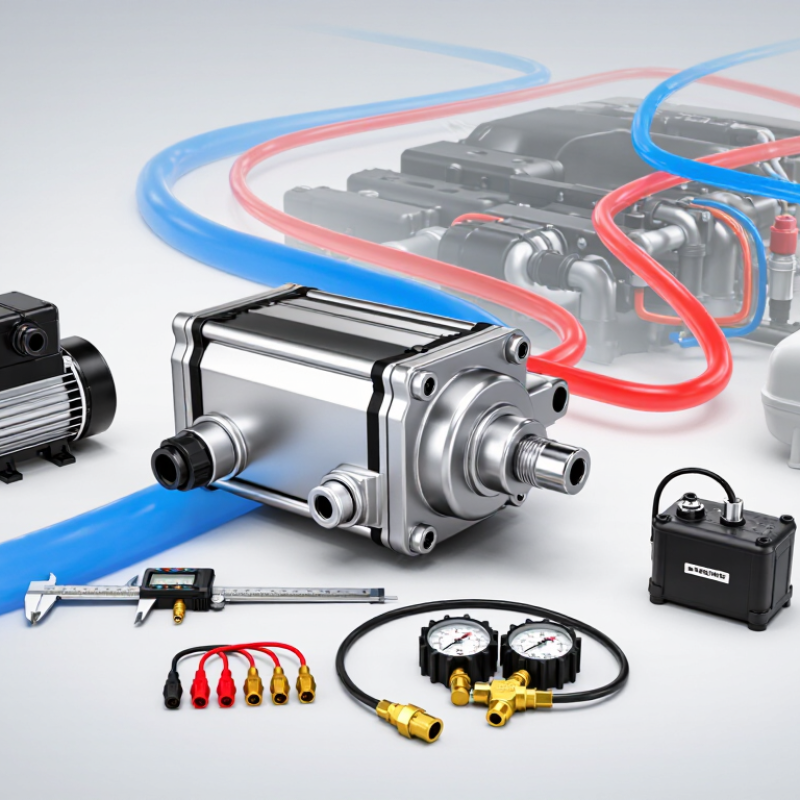
How to Choose the Right Fuel Pump in 2026?

Understand Fuel Pump Types and How They Work

Fuel pumps do different jobs. A mechanical diaphragm pump, driven by the engine, moves fuel at relatively low pressure. Many modern vehicles use an electric pump inside the tank to deliver a steadier supply. Direct-injection engines add a high-pressure pump, which feeds fuel directly into the combustion chambers. The parts are not interchangeable. Pressure and flow requirements matter.

Check the vehicle’s fuel-system design before choosing a replacement. Port-injection systems typically use low-pressure electric pumps, while direct-injection systems need a separate high-pressure stage. Exact specifications vary by engine, so confirm the required pressure, flow rate, connector, and pump configuration in reliable service data. A pump that fits the opening can still be wrong. That detail is easy to miss.

The U.S. Environmental Protection Agency’s 2024 Automotive Trends Report puts average fuel economy for model-year 2023 vehicles at 27.1 miles per gallon. That figure does not measure pump performance, but it reflects how varied modern powertrains have become. A pump should match the engine’s original fuel-delivery design, not a general “upgrade” claim. I would also check the wiring and fuel filter before blaming the pump; diagnosis is not always tidy. Shortcuts can mislead.

How to Choose the Right Fuel Pump in 2026

Understand fuel pump types by comparing the typical operating-pressure ranges of common fuel systems.

Carbureted and port-injected systems use lower-pressure delivery, while gasoline direct-injection systems add a high-pressure pump. Diesel common-rail systems operate at substantially higher pressures. Ranges are representative; always match a replacement pump to the vehicle’s specified fuel system and service data.

Identify Your Vehicle’s Fuel System and Pump Requirements

Identifying your vehicle’s fuel system is the first step toward choosing a suitable pump. Check the owner’s manual or repair information for the engine type and fuel-system design. Port-injected and direct-injection engines can require different pressure ranges. A pump that fits the tank may still deliver the wrong pressure or flow. Match the replacement to the vehicle’s exact year, engine, and configuration. Details matter.

Tips: Record the vehicle identification number, engine size, and existing pump’s part details before shopping. Compare the specified pressure, flow rate, electrical connector, and mounting arrangement. If the system uses a separate pressure regulator, confirm whether it is built into the pump module. Never rely on appearance alone.

Look for reliable service specifications rather than guessing from engine size. Some vehicles changed fuel systems between trim levels or production years, so confirm the exact application. If symptoms include long cranking or loss of power, test fuel pressure before replacing parts; those signs can have other causes. I would double-check the connector and tank module dimensions, even when a listing appears to match. A qualified technician can verify compatibility when specifications are unclear, especially on high-pressure systems.

Compare Pump Specifications, Compatibility, and Performance

Choosing the right fuel pump starts with matching its specifications to the vehicle, not chasing the biggest flow number. Check the service manual for required pressure and flow at operating pressure. Free-flow ratings can look impressive but may not reflect real conditions. Small details matter. Confirm voltage, connector shape, mounting dimensions, and fuel compatibility before ordering.

Compare flow capacity under load, since pressure can change how much fuel a pump delivers. The engine’s demand, regulator, and fuel lines all affect performance. A pump with too little capacity may cause pressure to fall during acceleration. An oversized unit is not automatically better; it can add noise, heat, or unnecessary strain. It is easy to focus on one number and miss the system around it.

Compatibility includes the tank arrangement, wiring, filter, and any in-tank module. Inspect the old pump and electrical connector for wear, but do not assume the replacement must look identical. Check the specified pressure after installation with suitable diagnostic equipment. If readings remain unstable, investigate the wiring, filter, or regulator before blaming the pump. A specification sheet cannot reveal every condition inside an aging vehicle.

Evaluate Fuel Quality, Durability, and Installation Needs

How to Choose the Right Fuel Pump in 2026?

Fuel quality affects more than engine performance. Water, rust, and fine debris can clog a pump strainer and accelerate wear. AAA’s 2016 fuel-quality study found that lower-detergent gasoline produced 19 times more engine deposits after 4,000 miles than gasoline meeting its higher detergent standard. That test measured engine deposits, not pump lifespan, so treat it as a warning about fuel quality, not a durability guarantee. Use the fuel grade specified for your vehicle, and replace a contaminated tank’s filter or strainer when needed.

Durability depends on the pump matching the vehicle’s pressure, flow, and fuel type. Check the service manual and compare the pump’s rated output with the original specification. A pump that delivers too little may cause hard starts or hesitation; excess pressure can create other problems. Keep enough fuel in the tank to help cool an in-tank pump, especially during long drives in hot weather. Still, driving habits and tank condition vary. A specification sheet cannot tell the whole story.

Installation fit is equally important. Confirm the connector, hose layout, mounting depth, and seal dimensions before ordering. The U.S. Department of Energy’s Alternative Fuels Data Center notes that E10 has about 3% less energy per gallon than gasoline. This is not a pump-life figure, but it underscores why fuel compatibility matters. Ask a qualified technician to check wiring voltage and pressure after installation. Small details matter. I would still recheck fitment against the vehicle’s exact year and engine; catalog listings can be imperfect.

Verify Safety Standards, Warranty, and Long-Term Costs

Choosing a fuel pump in 2026 means checking more than vehicle fitment. Confirm its rated pressure, flow, connector, and compatibility with your engine. Ask for test documentation and evidence that the unit meets applicable vehicle and electrical safety requirements. Standards vary by application, so a generic “compliant” claim is not enough. Request the specific standard or test method in writing. Small details matter.

Read the warranty before comparing prices. Check its length, covered parts, labor exclusions, and whether proof of professional installation is required. A low-cost pump can become expensive if labor is excluded or a return requires removing it again. AAA’s 2024 Your Driving Costs report estimated average annual new-vehicle ownership costs at $12,297, assuming 15,000 miles of driving. That figure is not a fuel-pump repair estimate, but it shows how routine expenses accumulate. Compare purchase price, installation, diagnostic fees, and likely replacement costs over time. I would still question unusually generous warranty promises; the fine print may tell a different story.

How to Choose the Right Fuel Pump in 2026? — Verify Safety Standards, Warranty, and Long-Term Costs
Pump Type Typical Application Fitment and Performance Checks Safety and Standards to Verify Warranty Checks Long-Term Cost Considerations
In-tank electric pump Common in modern fuel-injected passenger vehicles; installed inside the fuel tank or fuel-pump module. Match the vehicle’s exact application, electrical connector, mounting arrangement, fuel type, pressure, and required flow. Check whether the pump is supplied as a module or as a pump-only replacement. Confirm fuel compatibility and correct electrical ratings. Follow the vehicle service procedure for depressurizing the system and handling fuel. FMVSS No. 301 addresses vehicle-level fuel-system integrity; it is not, by itself, a pump certification. Check the written coverage period, exclusions, proof-of-installation requirements, and whether labor or removal costs are covered. Terms vary by seller and product. Allow for access labor, tank or module components, filters or strainers, and possible repeat labor if an incorrect or contaminated installation causes failure.
Inline electric pump Used in some vehicle designs and fuel-system conversions; mounted in the fuel line rather than inside the tank. Verify the specified pressure and flow at the system’s operating pressure, plus line size, mounting position, electrical demand, and whether a pressure regulator is required. Use fuel-rated hoses, fittings, wiring, fusing, and mounting hardware. SAE J30 covers certain fuel and oil hose requirements; confirm the exact hose category and application rather than assuming every hose is suitable. Confirm whether coverage depends on a specified installation method, compatible components, or professional installation. Include wiring and plumbing changes, filters, brackets, and any required regulator. Added system complexity can increase inspection and maintenance needs.
Mechanical low-pressure pump Found on some older carbureted engines; commonly driven by the engine. Check engine and mounting compatibility, inlet and outlet layout, specified delivery pressure, and any required gasket or linkage components. Inspect fuel lines and connections for leaks after installation. Use components rated for the fuel and operating conditions; do not substitute a pump with unsuitable pressure for the carburetor. Review coverage for the pump and supplied components separately, including exclusions for incorrect fitment or installation. Consider gasket replacement and access labor. A compatible stock-style replacement may avoid the extra wiring and regulation work associated with an electric conversion.
High-flow or performance electric pump Modified or high-output fuel-injection systems that require more fuel delivery than the original setup. Select by the engine and fuel-system requirements, using flow data at the intended pressure and voltage. Check injector demand, regulator capacity, wiring capacity, and whether the tank or module supports the upgrade. Do not rely on a free-flow rating alone. Verify the complete system’s fuel compatibility, electrical protection, pressure control, and installation instructions. Vehicle-level safety requirements still depend on the vehicle and jurisdiction. Check whether modifications, non-standard fuel, or operation outside stated conditions affect coverage. Keep invoices and installation records. Account for supporting upgrades such as wiring, a regulator, lines, filters, and possibly a tank or module. Higher capacity is not automatically a better choice for a standard engine.
Any replacement pump: final checks Applies before purchasing any pump type. Compare the vehicle identification and engine details with the application listing. Confirm pressure and flow requirements from reliable vehicle or component documentation. Use the vehicle manufacturer’s service information and applicable local requirements. ISO 16750 concerns environmental conditions and testing for vehicle electrical and electronic equipment; it should not be treated as proof that a specific pump is approved for every vehicle. Read the actual written warranty, including claim process, exclusions, and responsibility for diagnostic or labor charges. Compare purchase price with installation, supporting parts, fuel compatibility, maintenance, and the cost of a repeat repair—not price alone.
Note: Specifications, safety requirements, warranty terms, and total costs vary by vehicle, pump design, seller, and jurisdiction. Verify current documentation for the exact application before purchase or installation.

Subscribe To Our Newsletter

Join our mailing list to receive the latest news and updates from our team.

You have Successfully Subscribed!