
How to Choose the Right Oil Separator for Industrial Use

Choosing the right Oil Separator for industrial use is not a simple equipment purchase. It affects air quality, maintenance intervals, product protection, and operating costs. A separator that works well in a metalworking plant may perform poorly in a food-processing facility. The difference often comes from fluid type, flow rate, temperature, pressure, and contamination levels.

In practical installations, operators commonly compare stainless steel housings, coalescing elements, centrifugal designs, and high-efficiency filter systems. Each option has limits. A small separator may restrict airflow when oil mist increases. An oversized unit may waste space and provide little extra value. These details matter beside a compressor, CNC machine, or vacuum pump running continuously.

A reliable selection process begins with measured operating data. Record the oil concentration, inlet flow, particle size, and expected service temperature. Check pressure-drop ratings, drainage methods, replacement-element availability, and inspection access. Manufacturer test results can help, but field conditions deserve equal attention. Laboratory efficiency does not always match a dusty production floor.

Safety and compliance also require careful review. Confirm that the equipment suits the process and installation environment. Ask whether collected oil can be drained, reused, or disposed of through approved procedures. Material compatibility should not be assumed. Seals can swell, crack, or fail when exposed to unsuitable chemicals.

This guide explains how to compare Oil Separator technologies with practical criteria. It also highlights common selection mistakes, because even experienced teams occasionally overlook changing loads or neglected maintenance. The best choice is not always the most powerful model. It is the one that performs reliably under real operating conditions.
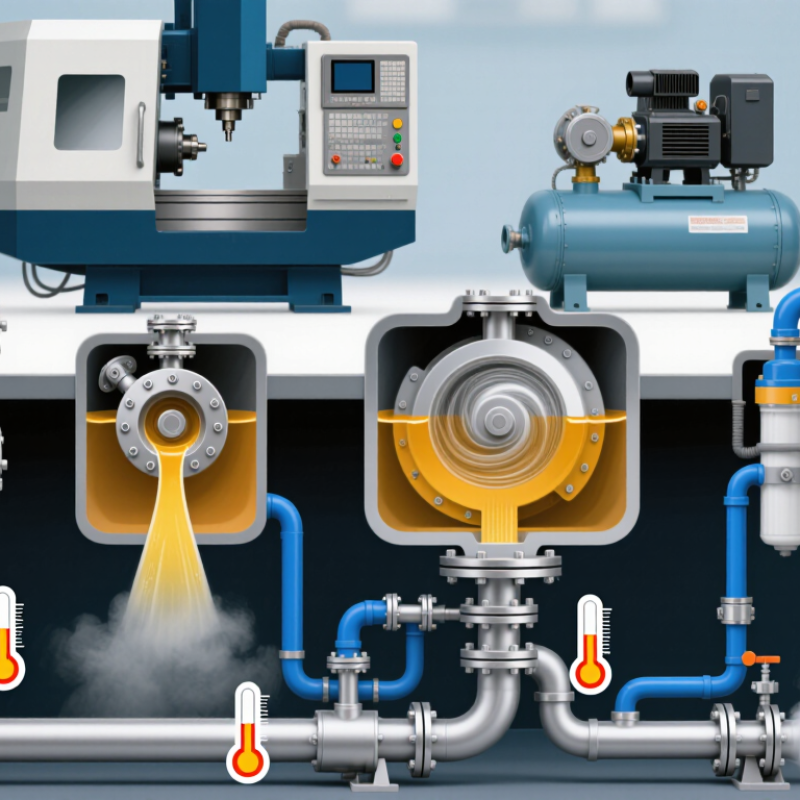
How to Choose the Right Oil Separator for Industrial Use

Define the Role and Operating Conditions of an Industrial Oil Separator

How to Choose the Right Oil Separator for Industrial Use

An industrial oil separator should be defined by its role, not its appearance. Start with the contamination problem. Is it removing free oil from wastewater, protecting a pump, or recovering reusable fluid? Each purpose requires a different separation method. Gravity units suit larger oil droplets and steady flow. Coalescing systems capture smaller droplets but need cleaner inlet conditions. Centrifugal equipment handles demanding separation tasks, although it can require more energy and maintenance.

Operating conditions determine whether the design will work reliably. Record the normal and peak flow rates, oil viscosity, temperature, pressure, and expected solids. An oily stream at 20°C behaves differently from one near 80°C. Emulsified oil may resist gravity separation and require chemical or mechanical treatment. Check tank capacity against actual retention time, not only the supplier’s nominal rating. Small details matter.

A practical inspection should include sampling during production, not only during a quiet shift. Observe sludge buildup, outlet clarity, drain frequency, and access for cleaning. One common mistake is selecting equipment from average flow alone. Peak surges can carry oil through the outlet. Another mistake is ignoring seasonal temperature changes. The specification may look correct on paper, yet performance can weaken in winter. I would also question any design that promises perfect removal without explaining testing conditions, maintenance limits, and the expected oil droplet size.

Identify the Oil, Air, and Contaminant Characteristics

Choosing an industrial oil separator starts with measured fluid characteristics, not a catalog size. Identify whether the oil is free, emulsified, or carried as a fine aerosol. Viscosity, density, temperature, and droplet size directly affect separation performance. Compressor lubricants may also contain additives that change emulsification behavior. A practical survey should record inlet pressure, air temperature, flow rate, and operating hours.

Air purity requirements must guide the selection. ISO 8573-1:2010 classifies compressed-air oil content, with Class 1 allowing no more than 0.01 mg/m³ of total oil. The U.S. Department of Energy reports that compressed-air systems can consume 10–15% of industrial electricity. Excessive pressure drop therefore wastes energy. Select a separator using actual operating flow, not only the compressor’s nameplate capacity. Contaminants may include liquid water, rust, carbon particles, and degraded seal material. Coalescing units suit small aerosol droplets, while gravity systems work better with larger liquid drops. A neat calculation can still fail when the air warms or the load changes.

Tips: Take a fluid sample. Check viscosity and pH. Measure pressure drop before replacement. Inspect the drain during peak production. Do not assume a clear outlet means clean air; invisible oil vapor may remain. Laboratory analysis is worthwhile when discharge quality is critical. Reference data should come from ISO 8573-1:2010, ISO 12500 testing guidance, and current site measurements.

Compare Separator Technologies and Filtration Performance

Choosing the right oil separator starts with contamination details, not catalog size. In industrial audits, I check oil viscosity, flow rate, temperature, and droplet size. These factors control filtration performance. A separator designed for heavy sludge may struggle with fine mist. It happens often.

Coalescing separators capture dispersed oil droplets by merging them into larger drops. They offer strong removal efficiency at moderate flow rates. However, dirty elements can raise pressure drop quickly.

Centrifugal separators use rotational force and handle changing loads well. Their performance may fall when droplets are extremely fine or fluids become very viscous.

Gravity chambers are simple and energy efficient, yet they need more space and settling time.

Membrane systems can achieve finer separation, but fouling and replacement costs need careful review. No technology wins every test.

For reliable selection, request test data under actual operating conditions. Ask for removal efficiency by micron range, pressure loss, drainage behavior, and service intervals. A claimed 99 percent rate means little without a defined droplet size. Inspect materials, seals, access clearance, and alarm points. I prefer a pilot trial using a real process sample. Laboratory oil can be too clean. One overlooked issue is startup flow; sudden surges may carry oil past the separator. Selection is rarely perfect on the first attempt. Record readings for several weeks, then revise the specification when evidence demands it.

Evaluate Capacity, Pressure Drop, Maintenance, and Service Life

Choosing an industrial oil separator starts with real operating data, not a catalogue headline. Measure peak flow, oil loading, temperature, and inlet pressure. A separator rated for average flow may flood during compressor start-up. Leave roughly 15–20% capacity margin, but avoid extreme oversizing. Oversizing can reduce capture efficiency at low flow. Check the manufacturer’s test conditions carefully. ISO 12500-1 provides a recognized method for evaluating compressed-air filter performance.

Pressure drop deserves equal attention. The U.S. Department of Energy’s Improving Compressed Air System Performance guide recommends keeping a clean filter below about 3 psi pressure loss. Replacement is commonly considered near 10 psi. That difference can create measurable energy waste across continuous operation. Use differential-pressure gauges near the inlet and outlet. Watch the trend weekly. A sudden rise may indicate oil carryover, blocked media, or excessive condensate. Small details matter.

Maintenance intervals should follow oil loading, not calendar habits. Drain systems before liquid reaches the element, inspect seals, and record pressure readings. Many separators last several years, but service life changes with temperature, aerosol concentration, and cycling. ISO 8573 testing helps define outlet air quality, yet field conditions remain less predictable. I have seen “long-life” elements fail early because drains were ignored. That is an uncomfortable lesson. Choose accessible housings, replaceable elements, and documented test results. A lower purchase price can become expensive when every inspection requires production downtime.

How to Choose the Right Oil Separator for Industrial Use — Evaluate Capacity, Pressure Drop, Maintenance, and Service Life
Separator Type Typical Application Indicative Capacity Range Typical Inlet Oil Load Initial Pressure Drop Oil Removal Performance* Routine Maintenance Expected Service Life Best Selection Criterion
Coalescing Filter Separator Compressed-air systems, vacuum equipment, hydraulic breather systems, and light oil-mist removal 50–5,000 m³/h Up to approximately 1,000 mg/m³ aerosol concentration 0.05–0.20 bar when clean Typically 95–99.9% for oil aerosols, depending on droplet size and element design Inspect differential pressure monthly; replace the filter element when pressure drop reaches the manufacturer’s limit or performance declines Filter element: 6–24 months; housing: 10–20 years with proper corrosion control
Vane-Type Demister Process-gas streams, separators, scrubbers, and large-volume oil mist removal 1,000–100,000 m³/h Approximately 0.1–10 g/m³ entrained liquid 0.01–0.10 bar Typically 90–99% for droplets above approximately 10–20 µm Inspect and clean the vane pack during planned shutdowns; check for fouling, corrosion, and mechanical damage 8–15 years; longer in clean, non-corrosive service
Wire-Mesh Mist Eliminator Oil vapor and mist removal from process vessels, air receivers, and gas-liquid separation equipment 500–50,000 m³/h Approximately 0.1–5 g/m³ entrained liquid 0.005–0.05 bar Typically 90–99% for droplets above approximately 5–10 µm Clean or replace the mesh when fouling causes excessive pressure drop or liquid carryover; verify support grids 5–15 years, depending on contamination, vibration, and material selection
Centrifugal Oil Separator Machine-tool coolant systems, compressor systems, gearboxes, and high-liquid-load process streams 100–20,000 m³/h Approximately 0.5–50 g/m³ oil or liquid entrainment 0.05–0.30 bar Typically 80–98% for sufficiently large liquid droplets Drain collected liquid regularly; inspect rotor or internal surfaces and clean deposits during scheduled service 7–15 years; rotating components may require earlier replacement
Cyclonic Separator Heavy-duty gas cleaning, compressor discharge lines, and applications with dust or larger oil droplets 500–30,000 m³/h Approximately 1–100 g/m³ liquid or mixed contamination 0.10–0.50 bar Typically 85–98% for droplets above approximately 10–20 µm Drain the collection chamber; inspect wear surfaces, inlet zones, and outlets for erosion or blockage 10–20 years; lining or wear parts may need periodic renewal
Electrostatic Oil Mist Collector Metalworking machines, machining centers, food-processing equipment, and fine oil-mist control 500–15,000 m³/h per unit Approximately 10–500 mg/m³ fine oil mist 0.01–0.08 bar when clean Typically 95–99% for fine particles, subject to electrical conductivity and particle loading Clean collecting cells and prefilters regularly; inspect high-voltage components and safety interlocks 5–12 years; collecting cells and power components may require replacement
Activated-Carbon Oil Vapor Adsorber Final-stage treatment for residual hydrocarbon vapor in compressed air or process exhaust 50–5,000 m³/h Usually below 100 mg/m³ after upstream liquid and aerosol separation 0.05–0.25 bar when fresh Typically 90–99% vapor reduction until the adsorption media approaches saturation Monitor outlet concentration or hydrocarbon breakthrough; replace carbon media before saturation Housing: 10–20 years; carbon media: approximately 3–12 months, depending on load
Selection note: The values shown are typical engineering ranges for preliminary comparison, not guaranteed performance ratings. Final selection should be based on actual gas or air flow, operating temperature, absolute pressure, oil type, droplet-size distribution, allowable pressure drop, inlet contamination, drainage requirements, materials compatibility, and the required outlet concentration. Pressure-drop and service-life limits should be verified with the equipment supplier before purchase.

Confirm Compliance, Installation Requirements, and Total Cost of Ownership

Choosing an oil separator starts with compliance, not catalogue capacity. Identify the oil type, flow range, temperature, and discharge destination. Then check applicable permits, safety rules, and ISO 8573-1 air-quality requirements. ISO 8573-1 defines contamination classes, but it does not approve a separator by itself. The selected unit must match the required outlet quality and documented test method.

Installation details often decide real performance. Confirm inlet and outlet sizes, maximum pressure, drain routing, ventilation, and maintenance clearance. A bypass may protect production, but it can also release untreated air or liquid. Use differential-pressure gauges and accessible sampling points. The U.S. Department of Energy reports that compressed-air leaks can waste 20–30% of compressor output, according to its Compressed Air System Performance guide. Excessive separator pressure drop can create similar operating waste. Small losses become expensive.

Calculate total cost of ownership before purchase. Include the separator, filters, valves, installation labor, disposal, energy, inspections, and replacement elements. Compare annual pressure-drop costs, not only the purchase price. A cheaper unit may need frequent element changes. That is easy to miss. The EU Joint Research Centre’s wastewater treatment BREF emphasizes application-specific design and operating control for oil removal systems. In practice, request verified efficiency data at your actual flow and viscosity. Recheck assumptions after commissioning, because real plant conditions rarely match the design sheet perfectly.

Article Source:

Subscribe To Our Newsletter

Join our mailing list to receive the latest news and updates from our team.

You have Successfully Subscribed!