How to Choose the Right Intensive Mixer for Your Needs?
Choosing the right Intensive mixer is crucial for various industries. According to Jane Smith, an expert in mixing technology, "Selecting the right equipment can make all the difference in efficiency and quality." An Intensive mixer is designed for optimal mixing, blending, and kneading of materials. It is vital to understand your specific needs when selecting one.
Different industries have varying requirements. For example, food production might require precision and hygiene, while plastics processing focuses on durability. Evaluating factors like size, speed, and material compatibility ensures you make an informed decision. However, many businesses overlook these details, leading to inefficient processes.
Understanding your options is not always straightforward. With a myriad of models available, the choice can feel overwhelming. Companies often get it wrong. They might choose a powerful mixer when a smaller, more efficient model would suffice. Careful assessment of your needs will lead to the best outcome with an Intensive mixer.
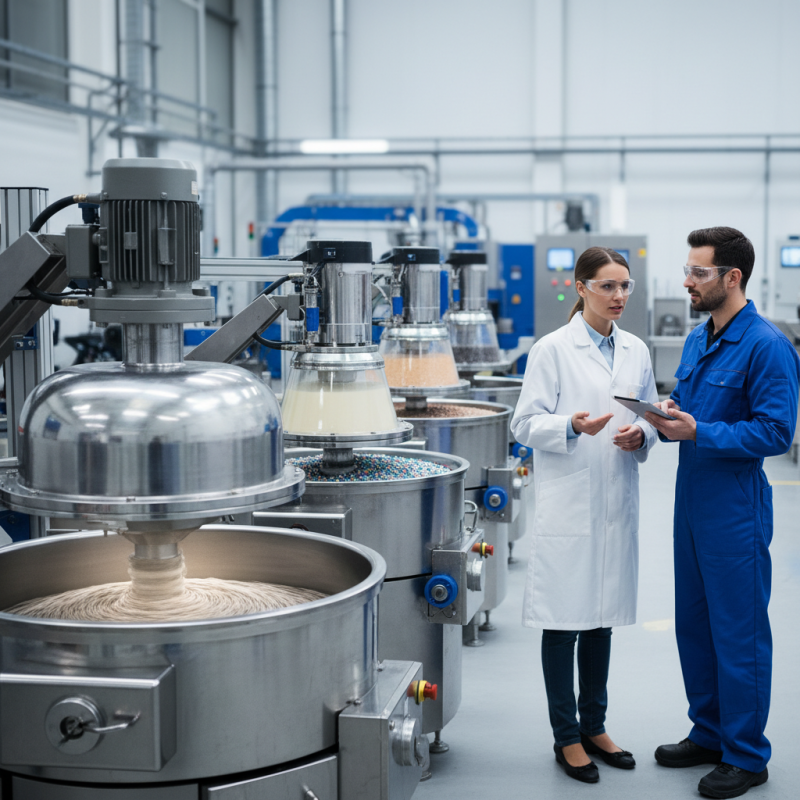
Understanding the Different Types of Intensive Mixers Available
When selecting an intensive mixer, understanding the available types is crucial. Intensive mixers vary in design and function, impacting their suitability for different applications. Some common types include gravity mixers, counter-rotating mixers, and paddle mixers. Each type offers unique benefits and may perform differently based on the materials being mixed.
Gravity mixers are popular for dry materials. They rely on gravity to mix ingredients effectively. However, they can struggle with cohesive materials. In contrast, counter-rotating mixers utilize rotating blades that provide thorough mixing. This design can be beneficial for pastes or thick mixtures. Paddle mixers are versatile and often used for both wet and dry applications. They have a simple design that makes them easier to maintain.
Evaluating your specific needs is necessary. Consider factors such as the materials’ viscosity and batch size. Some mixers may not be efficient for certain tasks. It's vital to reflect on the design limitations. Different industries may require varying mixer capabilities. Each mixer type has its pros and cons. Therefore, understanding these distinctions will help you choose the right intensive mixer for your needs.
Identifying Your Mixing Requirements and Application Needs
When choosing the right intensive mixer, identifying your mixing requirements is essential. Consider the materials you will be mixing. Are they dry powders, liquids, or pastes? Each material requires a different mixing approach. The viscosity and density will greatly influence your equipment choice. For example, thick pastes may need heavy-duty mixers with more power.
Next, think about the volume of material you process. Small batches might work well with tabletop mixers, while large operations may require industrial models. Evaluate the consistency you want in your final product. Uniform mixing can be challenging but is crucial for quality. Experiment with various mixing methods to find the optimal solution.
Also, consider the mixing application. Is it for food, pharmaceuticals, or chemicals? Each sector has unique standards and requirements. Reflect on the hygiene and safety protocols necessary for your industry. Investing time in understanding these aspects will pay off.
Remember, selecting the wrong mixer can lead to inefficiencies and wasted resources. Over time, fine-tuning your choice based on reflective experiences can lead to improved processes and better products.
Assessing the Capacity and Performance Specifications
When selecting an intensive mixer, the capacity and performance specifications are crucial. The capacity tells you how much material the mixer can handle in one batch. For smaller projects, a mixer with low capacity may suffice. However, large-scale operations require mixers with higher capacity for efficiency. Determining your production volume will guide your choice effectively.
Performance specifications matter just as much. Factors like mixing speed, power, and consistency are pivotal in production quality. A faster mixing speed can improve throughput but might sacrifice thoroughness. It’s important to find a balance that suits your production needs without compromising quality. Often, users may underestimate the importance of consistency in the mixing process, leading to varied product quality.
Also, consider the materials you will be mixing. Different materials require specific mixer designs. Not all mixers handle materials with the same ease. Suboptimal choices may lead to mixing difficulties, tray clogging, or equipment wear. Understanding your materials and their behavior in a mixer can prevent costly mistakes. Make sure to reflect on these factors before making a decision.
Capacity and Performance Specifications of Intensive Mixers
Evaluating Material Compatibility and Mixer Construction Quality
Selecting the right intensive mixer requires an understanding of material compatibility and construction quality. Different materials demand different mixing solutions. For instance, polymers may require mixers with certain features to prevent degradation. In contrast, powders and granules might need specific paddle designs to achieve uniformity. According to a recent industry report, 68% of manufacturers found that improper compatibility led to product inconsistencies and quality issues.
Construction quality is equally important. Mixers should have robust, corrosion-resistant materials to ensure longevity and reliability. A study indicated that 74% of production downtime was linked to mixer failures. This emphasizes the need for thorough evaluations of mixer construction before purchase. Pay attention to factors such as the motor strength, the material of the mixing chamber, and the ease of cleaning.
Tips: When assessing mixers, prioritize materials that suit your specific needs. Look for feedback from users about durability and performance. Always conduct a trial run if possible. Testing the mixer will help you uncover any potential issues early on, allowing for necessary adjustments to optimize your processes.
Considering Maintenance, Support, and Cost Factors in Your Decision
When selecting an intensive mixer, considering maintenance, support, and cost is crucial. Regular maintenance can significantly extend the lifespan of your mixer, enhancing performance reliability. A report from the Mixing Equipment Association (MEA) shows that machines requiring less frequent maintenance save operators up to 20% in long-term costs. However, these mixes often come with higher initial prices, challenging small businesses.
Support from the manufacturer plays a vital role too. Companies offering robust customer service ensure minimal downtime. Look for manufacturers with a solid reputation in providing assistance and quick response times. This can reduce potential losses during equipment failure. Mixers with readily available spare parts also enhance reliability. A study indicates that downtime can cost manufacturers up to $500 per hour, highlighting the importance of dependable support systems.
Tip: Consider investing in training for your staff. Well-trained operators can maintain equipment effectively, preventing costly errors. Additionally, a proactive maintenance schedule can avoid unexpected repairs. Regular inspections and timely part replacements can keep your production running smoothly, ensuring efficiency and cost-effectiveness. Choosing wisely can be challenging, but minimizing risks helps in making informed decisions.