How to Choose the Right Safety Harness for Your Needs?
Selecting the right Safety Harness is crucial for anyone working at heights. A well-chosen safety harness ensures maximum protection and comfort while also allowing for efficient mobility. With various types available, understanding your specific needs is vital.
Many factors affect the choice of a safety harness. For instance, consider the environment where it will be used. A construction site poses different risks than a wind turbine. The harness must accommodate these variations. Additionally, proper fit is essential. An ill-fitting harness can compromise safety, leading to serious accidents.
Assessing the features of a safety harness is equally important. Look for comfort padding and durable materials. These details can make a difference in long-term use. It’s also wise to investigate brands with strong safety records. Alongside personal requirements, expert opinions can provide valuable insights for informed decisions. Ultimately, choosing the right safety harness requires careful consideration and reflection on your unique circumstances.
Understanding the Importance of Safety Harnesses in Work Environments
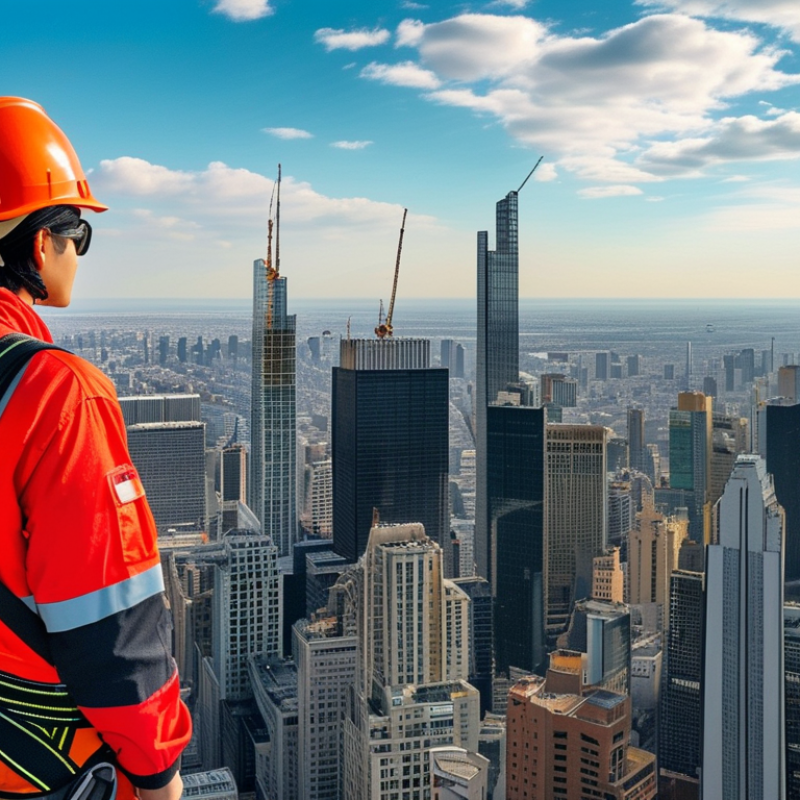
Safety harnesses play a crucial role in protecting workers from falls in various environments. They serve as a lifeline, especially in construction sites, manufacturing plants, and during high-altitude tasks. Understanding their importance can save lives and prevent injuries. A harness not only secures a worker but also provides peace of mind.
When choosing a safety harness, consider the specific tasks involved. For jobs that require mobility, a full-body harness may be beneficial. Ensure it fits properly; a poorly fitted harness won't offer adequate protection. Inspect the harness regularly for wear and tear. This is essential, as even minor damages can compromise safety.
Tips: Always read the manufacturer’s instructions. This ensures you are using the equipment correctly. Training is vital too. Workers should know how to wear the harness and the proper way to connect it to safety lines. Inadequate training can lead to mistakes and misjudgments. Regularly review training procedures to enhance safety awareness. Remember, complacency is dangerous.
How to Choose the Right Safety Harness for Your Needs?
| Harness Type | Weight Capacity | Recommended Use | Features |
| Full-Body Harness | Up to 310 lbs | Construction, Roofing | Adjustable straps, multiple D-rings |
| Positioning Harness | Up to 250 lbs | Tree Climbing, Tower Work | Front D-ring, padding for comfort |
| Rescue Harness | Up to 300 lbs | Emergency Services, Industrial Rescue | Integrated lifting points, lightweight |
| Suspension Harness | Up to 300 lbs | Painting, Window Cleaning | Comfort seat, adjustable leg straps |
| Children's Harness | Up to 150 lbs | Recreational Use | Fun colors, adjustable fit |
Identifying Your Specific Needs and Applications for Safety Harnesses
Choosing the right safety harness depends heavily on your specific needs and application. Different work environments, such as construction sites or industrial zones, require various types of harnesses. The Bureau of Labor Statistics reported that falls are among the leading causes of serious work-related injuries. A well-chosen harness can significantly reduce these risks.
Identifying your needs is vital. For example, do you work at heights or in confined spaces? Different harnesses offer various degrees of protection based on your activity. A study by OSHA indicated that the correct use of safety harnesses can decrease fall-related injuries by over 50%. Ensure you select a harness that fits your body type and complies with industry standards.
Tips: Always check the weight rating of a harness. It should comfortably accommodate your weight and any extra gear. Look for harnesses that provide adjustable features to ensure a snug fit. Remember, a poorly fitted harness can become ineffective during a fall. Consider your working conditions and choose harnesses that offer features such as lightweight and breathability.
Safety Harness Types and Their Usage Frequency
Types of Safety Harnesses and Their Unique Features Explained
When selecting a safety harness, understanding the different types is crucial. Each harness type serves specific purposes and offers unique features. For instance, full-body harnesses are ideal for fall protection. They distribute weight evenly across the body. This design minimizes injury risks during a fall. They are popular among construction workers and climbers.
Another type is the seat harness, which is typically used in rope access and rescue operations. This harness allows for freedom of movement but lacks full coverage for fall protection. It’s essential to assess the working environment when choosing. Consider the height and potential fall hazards. Detailed research is needed to find the best fit.
Remember that proper fit is just as important as the harness type. An ill-fitting harness can lead to severe injuries. Testing the harness before use ensures safety. Seek advice from safety experts if unsure. Reflect on your specific needs and circumstances. This careful consideration can make all the difference in safety.
Key Safety Standards and Regulations to Consider When Choosing a Harness
When selecting a safety harness, understanding safety standards is crucial. Different industries have specific regulations. Knowledge of these standards ensures your safety harness meets required protection levels. For instance, OSHA (Occupational Safety and Health Administration) has defined guidelines for harnesses used in various work environments. Familiarize yourself with these regulations to avoid potential hazards.
Next, consider the materials and design of the harness. A sturdy harness should be made from high-quality, durable materials. Look for features like padding and breathable fabric for comfort. These elements can significantly reduce fatigue during long hours of use. Check the weight ratings applicable to your specific situation. Not all harnesses suit every application, and using the wrong one may lead to accidents.
Finally, think about how you will use the harness. Are you working at height or doing construction? Each scenario requires a different approach. Conduct a risk assessment of your environment. This process allows you to identify potential hazards and choose a harness that aligns with those risks. Reflect on past experiences with harnesses. What went well? What could be improved? Continuous evaluation will enhance your safety practices.
Tips for Proper Fitting and Maintenance of Your Safety Harness
When it comes to safety harnesses, proper fitting is critical. An ill-fitting harness can be uncomfortable or, worse, ineffective. Start by adjusting the straps while wearing the harness. Ensure the shoulder straps are snug but not overly tight. You should be able to fit a hand between your body and the straps without excess slack. Remember, comfort leads to fewer distractions on the job.
Maintenance is equally important. Regularly inspect the harness for signs of wear and tear. Look for frayed straps or damaged buckles. Storing the harness in a dry, cool place helps maintain its integrity. If you notice any defects, it’s better to replace the harness than to risk safety. Reflect on your maintenance routine and adjust as necessary. Safety is a continuous commitment.