2026 How to Choose the Right Towable Boom Lift for Your Needs?
When selecting a Towable Boom Lift, understanding your requirements is essential. A towable boom lift offers versatility and ease of transport. It is ideal for various jobs, such as maintenance and construction. Choosing the right model requires careful consideration of several factors. These include weight capacity, reach, and terrain. For instance, a more significant reach helps access higher areas. However, it also may come with increased weight and complexity.
Many users overlook vital aspects, like stability and safety features. A towable boom lift that's easy to maneuver might not perform well on uneven ground. Additionally, the efficiency of the lift can vary significantly between models. Some may promise great heights but lack adequate support. Your specific needs should dictate the features that matter most. For instance, an outdoor project may require a different lift compared to indoor work.
Reflecting on past experiences can guide your decision. Were there challenges you faced with previous lifts? Addressing these questions can clarify what to prioritize. Ultimately, the right choice balances practicality and performance. Take time to assess your situation and the tasks at hand. Doing so ensures you select a towable boom lift that truly meets your needs.
Understanding Towable Boom Lifts and Their Applications
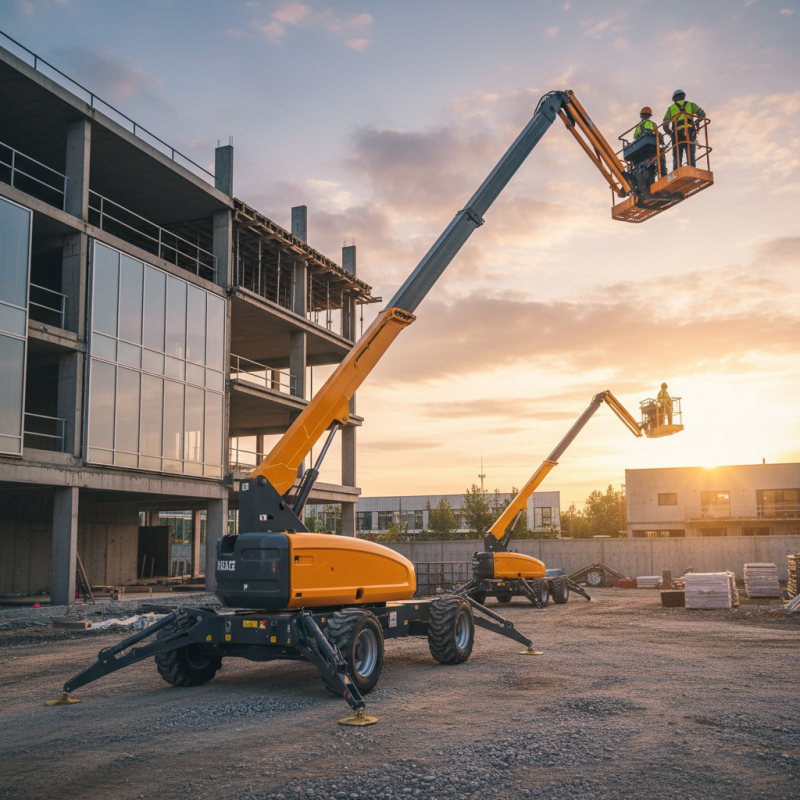
Towable boom lifts are essential in various industries. They provide aerial access for maintenance, construction, and tree trimming tasks. Understanding their specifications helps you choose the right model for your needs. According to industry reports, these machines commonly have working heights ranging from 30 to 60 feet. The right selection can enhance productivity and safety.
When selecting a towable boom lift, consider the required reach. Does your task need side reach or height? Look for models with suitable platform capacity, typically between 500 to 600 pounds. This ensures the lift can safely accommodate your team and tools. Also, assess the terrain. For rugged environments, choose a model with robust tires and stability features.
Tip: Always review safety features. Look for emergency descent systems and proper harness attachments. Training your operators is vital. Ensure they understand how to use the lift effectively. Small misunderstandings can lead to accidents. Regularly inspect the equipment for any signs of wear; even minor issues can escalate. Investing time in training and maintenance pays off.
Evaluating Key Features of Towable Boom Lifts
When selecting a towable boom lift, it is essential to evaluate its key features. Look for the working height. This height is crucial to determine if it meets your project's needs. Consider the lift's platform capacity. It should comfortably handle the weight of both personnel and equipment. The stability of the lift is another vital aspect. A stable platform ensures safety during operation, especially in varied terrains.
Mobility features also play a significant role. Easy towing and maneuverability can save time on the job. Operators should assess the lift's setup time. Some models take longer to prepare, which might delay your project. Think about power sources too. Gas or electric options could affect where and how you use the lift.
Reflect on the reach of the boom. A longer reach adds flexibility, but might complicate transportation. Sufficient storage space for the lift can also be a challenge. Each feature needs careful consideration. Every choice impacts safety and efficiency. Take time to ensure it aligns with your specific requirements. This choice is vital for a successful project outcome.
Assessing Weight Capacity and Height Reach Requirements
When selecting a towable boom lift, understanding weight capacity and height reach is crucial. Each project has specific requirements. You need to match these with the lift’s specifications. Consider the maximum height you need to reach. Is it 30 feet or more? This decision directly influences the type of boom lift suitable for your tasks.
Weight capacity is another key factor. Different lifts handle various loads. Assess the weight of tools, materials, and even personnel. If you miscalculate, it can lead to safety issues and equipment damage. It's easy to overlook these details, but they are essential for safe operations.
Tips: Always double-check specifications before renting or purchasing. If unsure, consult with an expert. Test the boom lift at ground level to ensure it meets your expectations. This allows you to verify handling and performance. A thorough assessment today can prevent costly mistakes later.
2026 How to Choose the Right Towable Boom Lift for Your Needs? - Assessing Weight Capacity and Height Reach Requirements
| Model | Weight Capacity (lbs) | Height Reach (ft) | Platform Width (in) | Platform Length (in) |
| Model A | 500 | 30 | 30 | 60 |
| Model B | 600 | 35 | 32 | 62 |
| Model C | 700 | 40 | 34 | 64 |
| Model D | 800 | 45 | 36 | 66 |
Comparing Brands and Models for Best Value
When selecting a towable boom lift, it's essential to compare various brands and models to find the best value. Not all lifts are created equal. Some may offer impressive reach but lack in safety features. Others might be easy to transport but have less lifting capability. It’s crucial to assess your specific needs before making a decision.
Consider the working height you require. A boom lift with a 50-foot range may not suffice if you regularly need 60 feet. Weight matters too; some models are heavier and may require larger vehicles for towing. Pay attention to the hydraulic systems as well. Reliable hydraulics ensure smooth operation but vary by model. Some may experience issues, leading to unexpected costs.
Don't forget about additional features. Some lifts come with advanced controls and better maneuverability. These can make a huge difference on site but may increase the price. Read reviews, and seek feedback from users. Reflecting on their experiences can guide you. Maybe a model looks good on paper, but those who use it may tell a different story. Take the time to gather insights.
2026 Towable Boom Lift Comparison
This chart compares the lifting height, working load capacity, and platform size of various towable boom lifts to help you make an informed decision.
Considering Safety Standards and Compliance Regulations
When selecting a towable boom lift, safety standards are crucial. According to a 2021 industry report, about 50% of workplace accidents involve improper equipment use. Compliance with regulations can reduce these risks. The Occupational Safety and Health Administration (OSHA) sets clear guidelines for aerial lift usage, including proper training for operators.
Operators must be aware of load capacities and safe working heights. An alarming statistic shows that 30% of accidents result from overloaded lifts. This highlights the need for compliance with manufacturer specifications. Additionally, regular maintenance checks are vital. A well-maintained lift has a lower chance of malfunction. The Equipment Safety Institute emphasizes that lifting equipment should meet ANSI standards for safety.
Unfortunately, many operators overlook these regulations. They often underestimate the importance of safety checks. This can lead to serious accidents and costly downtimes. Investing time in understanding safety standards is essential. It not only protects workers but also improves efficiency on job sites. Each lift's specifications should be reviewed carefully before use. It’s a step often rushed, but it can make a significant difference.