
China Top Refrigeration Chiller Manufacturers How to Choose?

Choosing among China’s top Refrigeration Chiller manufacturers requires more than comparing catalogue prices. A chiller may look impressive on paper, yet perform poorly in a humid factory or an unstable power environment. The right choice begins with the application: cooling capacity, entering and leaving water temperatures, operating hours, ambient conditions, and installation space. A supplier should explain these requirements clearly, not simply recommend the largest model.

The details matter. Review compressor brands, heat exchanger materials, control systems, refrigerant selection, and expected energy performance. Ask for verified test data, rather than relying only on general efficiency claims. Check whether the manufacturer follows recognized quality systems and provides complete technical documentation. Factory experience also matters. A supplier with projects in food processing, plastics, pharmaceuticals, or data centers may understand practical risks that brochures cannot show.

Service often decides the real value of a Refrigeration Chiller. Confirm commissioning support, spare-part availability, response times, warranty terms, and technician training. Request references from customers with similar loads and climates. Photos of a clean assembly line are useful, but operating records are stronger evidence. Numbers can mislead. A lower purchase price may bring higher electricity costs, difficult maintenance, or frequent downtime. Even experienced buyers can overlook water quality and seasonal load changes. That is worth reflecting on before signing a contract. This guide examines how to compare China-based manufacturers through performance, reliability, customization, compliance, and after-sales support, helping buyers make a practical decision based on evidence rather than attractive promises.
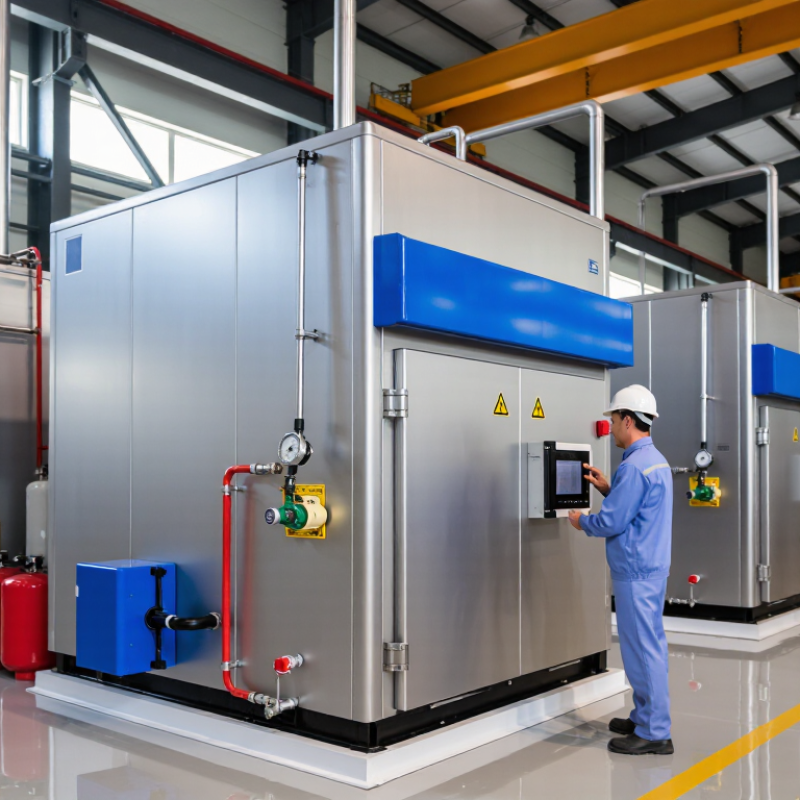
China Top Refrigeration Chiller Manufacturers How to Choose?

Types of Refrigeration Chillers Available from Chinese Manufacturers

Chinese refrigeration chiller manufacturers offer several practical system types for commercial and industrial cooling. Air-cooled chillers reject heat through condenser fans, so they suit sites with limited water access. Water-cooled chillers use cooling towers and often deliver steadier performance in large facilities. Scroll chillers are compact and relatively simple for small loads. Screw chillers handle continuous factory demand with strong part-load control. Centrifugal models fit high-capacity projects, but they need careful design and stable operating conditions. Absorption chillers can use waste heat, although their economics depend on available heat sources. Not every catalog specification matches field performance.

When comparing suppliers, verify cooling capacity at your actual entering and leaving water temperatures. A 7°C supply target may behave differently from a 12°C process loop. Ask for compressor details, refrigerant data, sound levels, seasonal efficiency, and service procedures. Factory testing records matter. Check whether the manufacturer provides piping diagrams, control logic, installation guidance, and replacement parts. For food processing, plastics, data rooms, and chemical production, load patterns differ sharply. Oversizing seems safe, yet it can cause short cycling and wasted energy. Undersizing creates constant overload. This choice deserves careful review.

Tips: Measure the real heat load before requesting quotations. Compare three operating points, not one headline rating. Inspect insulation, water quality requirements, alarms, and emergency shutdown functions. Request references from installations with similar climates and duty cycles. If the supplier avoids clear test conditions, pause the purchase. A lower price may conceal weaker controls or slower after-sales support. Keep a written acceptance checklist.

Key Specifications for Comparing Chiller Suppliers

When comparing China’s top refrigeration chiller manufacturers, begin with measurable operating data. Check cooling capacity at your actual entering and leaving water temperatures. A unit rated at 7°C may perform differently at 12°C. Confirm ambient temperature, flow rate, and voltage conditions. These details expose inflated comparisons.

Energy performance deserves close attention. Request COP, EER, and IPLV values under recognized testing conditions. Ask whether the figures come from laboratory tests or factory estimates. Compressor type, condenser design, and refrigerant choice affect long-term efficiency. A small efficiency loss can become expensive in a continuously operating plant. Noise matters too, especially near offices or hotels. Keep it practical.

Supplier quality requires more than a polished data sheet. Review pressure-test records, electrical safety documents, controller functions, and factory acceptance procedures. Ask for component traceability and a clear spare-parts schedule. Warranty terms should identify response time, labor coverage, and exclusions. Service engineers should understand water treatment, freezing risks, and seasonal loading. One detail is often missed: request performance evidence from installations with similar climates and loads. In my experience, suppliers sometimes provide excellent peak figures but weak part-load data. That deserves a second look. A video call cannot replace an inspection, although it can reveal production discipline. Check packaging, labeling, weld quality, and test instruments before signing.

How to Assess Manufacturer Quality and Production Capability

When choosing among China’s top refrigeration chiller manufacturers, assess evidence rather than attractive brochures. A polished showroom proves little. Request factory records, production photos, and recent project references. Check whether the manufacturer designs key components internally or depends heavily on outside assembly. This difference affects quality control, lead times, and technical responsibility.

Visit the production site when possible. Observe coil fabrication, pressure testing, welding quality, insulation work, and electrical inspections. Ask to see calibration certificates for gauges and testing equipment. Reliable manufacturers should provide traceable records for compressors, controllers, heat exchangers, and safety devices. Their engineers should explain cooling capacity under your actual ambient temperature, water flow, and load profile. Vague answers deserve caution.

Production capability also means consistency during busy periods. Ask for monthly capacity, current order volume, standard lead times, and contingency plans for critical components. Review the factory acceptance test procedure before signing. It should define performance measurements, noise limits, leakage checks, and documentation. Speak with customers who received equipment at least one year ago. Their maintenance experience may reveal more than a sales presentation.

Do not rely on one audit. Look deeper. A manufacturer can pass a visit and still miss delivery targets. I have seen buyers focus on unit price, then discover weak after-sales support and unclear warranty terms. That mistake is avoidable, but not always. Compare technical responses, test data, production controls, and service arrangements together. Ask difficult questions early. The uncomfortable answers often carry the greatest value.

Certifications, Energy Efficiency, and Compliance Requirements

Choosing a refrigeration chiller manufacturer requires more than comparing prices. Certifications provide an important starting point. Check quality systems, electrical safety reports, pressure vessel records, and refrigerant compliance documents. Requirements vary by country and application. A reliable manufacturer should explain which standards apply to your project. Ask for current certificates, not scanned documents with unclear dates.

Energy efficiency deserves practical testing. Review COP, EER, and part-load performance, because chillers rarely operate at full capacity all day. Request test conditions, sound levels, control sequences, and annual energy estimates. Experienced suppliers can explain how condenser temperature, water flow, and maintenance affect consumption. Factory data is useful, but it may not match your site. This is where many selections become less certain.

Tips: Ask for a sample inspection report and commissioning checklist. Confirm refrigerant type, leak detection, service access, and local disposal rules. Compare lifecycle cost, not only purchase cost. Check whether technicians receive documented training. Certifications alone do not guarantee good field performance. I have seen technically impressive equipment lose efficiency because sensors were poorly calibrated. That possibility should shape your questions. Keep every promise in the contract, including efficiency conditions, spare parts, response times, and compliance responsibility.

China Top Refrigeration Chiller Manufacturers: How to Choose? — Certifications, Energy Efficiency, and Compliance Requirements

Evaluation Category Requirement or Standard What to Verify from the Manufacturer Relevant Evidence Selection Guidance
Quality Management ISO 9001 quality management system Check the certificate scope, issuing body, validity period, and whether the manufacturing site is covered. Valid ISO 9001 certificate and audit records where available Treat ISO 9001 as a process-control indicator, not as proof of a specific chiller’s energy performance.
Product Performance Rating AHRI 550/590 for water-chilling and heat-pump water-heating packages, where applicable Confirm the exact model, operating conditions, capacity, input power, COP, and integrated part-load value. Certified directory listing or independently witnessed performance test Compare test results under the same entering and leaving water temperatures and flow conditions.
European Market Performance Applicable European Ecodesign and energy-labelling requirements for the product category Verify the applicable regulation, seasonal efficiency values, rated capacity, and technical documentation. EU Declaration of Conformity, technical file, product data sheet, and seasonal efficiency data Do not rely on a generic “energy-saving” claim without declared test conditions and seasonal metrics.
Electrical and Machinery Safety Applicable IEC or EN safety standards, including requirements for electrical equipment and refrigeration systems Check electrical protection, emergency stops, insulation, grounding, pressure protection, and control-system safety. Safety test reports, risk assessment, wiring diagrams, and conformity documentation The applicable standard depends on the chiller design, refrigerant, installation location, and destination market.
CE Compliance for the EU Applicable EU directives and regulations, such as Machinery, Low Voltage, EMC, and pressure-equipment requirements Confirm that the CE marking covers the complete finished unit and the correct product configuration. EU Declaration of Conformity, technical construction file, EMC report, and pressure assessment CE marking indicates conformity with applicable EU legislation; it is not an independent performance rating or quality award.
Refrigerant Compliance Destination-market rules governing refrigerants, leakage control, recovery, and refrigerant qualification Identify refrigerant type, GWP, charge quantity, safety classification, service requirements, and future availability. Refrigerant declaration, safety data sheet, charge label, leakage-test record, and service manual Select the refrigerant according to local regulations, climate conditions, flammability limits, and service capability.
Material Restrictions RoHS and REACH requirements where applicable to the destination market Request declarations for restricted substances and verify that major electrical and electronic assemblies are covered. RoHS declaration, REACH statement, supplier material declarations, and component compliance records Confirm whether the documents apply to the supplied model, not only to the manufacturing organization.
Full-Load Efficiency COP, EER, or kW/ton measured under a defined rating condition Compare cooling capacity and total electrical input, including compressors, pumps, fans, and controls where specified. Factory test report with entering water temperature, leaving water temperature, flow rate, ambient condition, and voltage Lower kW/ton or higher COP generally indicates better efficiency at the stated test point, but does not represent annual energy use by itself.
Part-Load Efficiency IPLV or NPLV under the selected rating methodology Review efficiency at multiple load points and confirm the weighting method and operating assumptions. AHRI-based rating data or a comparable independently verified part-load test Part-load performance is especially important for buildings whose cooling demand varies substantially throughout the year.
Capacity Control Modulating compressor, multiple-compressor staging, variable-speed drive, or other capacity-control method Check minimum stable capacity, unloading range, cycling behavior, and control response at low loads. Control sequence, part-load test data, minimum-load specification, and commissioning procedure A wide stable operating range can reduce cycling losses and improve comfort and seasonal efficiency.
Noise and Vibration Declared sound-power or sound-pressure data using a stated measurement method Confirm octave-band data, measurement distance, operating load, enclosure configuration, and vibration limits. Acoustic test report, installation guidance, and vibration-isolator specification Use sound-power data for equipment comparison and sound-pressure data for site-specific noise assessment.
Water-Side Design Required chilled-water flow, pressure drop, fouling factor, water quality, and freeze protection Match the heat exchanger materials and allowable pressure drop to the project’s water chemistry and hydraulic design. Performance selection sheet, pressure-drop data, materials list, and water-treatment requirements Incorrect flow or poor water treatment can reduce capacity, increase energy use, and shorten heat-exchanger life.
Factory Testing Documented inspection and functional testing before shipment Check whether pressure, leak, electrical, control, safety, and performance tests are performed on the actual unit. Factory acceptance test procedure, signed checklist, calibration certificates, and test results Require witnessed testing for critical projects or when the unit has customized operating conditions.
Installation and Service Local technical support, trained service personnel, spare-parts availability, and response process Ask about commissioning, warranty exclusions, response time, remote diagnostics, and spare-parts lead times. Service network list, maintenance schedule, warranty terms, training records, and spare-parts plan Total cost of ownership depends on maintenance access, controls support, refrigerant service, and parts availability.
Documentation and Traceability Consistent model information across quotations, drawings, labels, manuals, and certificates Verify serial-number traceability, component lists, software versions, revision control, and language requirements. Approved submittal, as-built drawings, operation manual, wiring diagrams, certificates, and inspection records Clear documentation reduces commissioning risk and supports regulatory inspections and future maintenance.

Note: Certification, testing, and compliance requirements vary by product type, installation conditions, and destination market. Always verify the current requirements with the relevant authority or qualified engineer.

Steps for Selecting the Right China Chiller Manufacturer

Selecting the right China chiller manufacturer requires more than comparing prices. Start by defining your cooling load, water temperature, climate, operating hours, and installation space. Share these details with several manufacturers and compare their technical proposals. A reliable supplier should explain compressor selection, condenser design, energy efficiency, control systems, and expected performance. Vague answers are warning signs.

Tips: Ask for factory photos, production records, test reports, and recent customer references. If possible, arrange a factory audit or independent inspection before payment. Check whether the manufacturer follows recognized quality and safety standards. Review warranty terms carefully. Confirm spare parts availability and response times for technical support. Small details matter.

Request a sample performance test under conditions close to your project. Examine noise, vibration, outlet temperature, power consumption, and protection functions. Experienced engineers should also discuss water quality and maintenance access. I have seen low quotations become expensive after installation because service costs were ignored. That mistake is easy to repeat. Compare total ownership cost, not only the purchase price. A written contract should define capacity, materials, delivery dates, testing procedures, training, and remedies for nonconforming equipment. Manufacturers may promise flexibility, but every important promise should be documented. Reliability grows from evidence, not confident language.

Subscribe To Our Newsletter

Join our mailing list to receive the latest news and updates from our team.

You have Successfully Subscribed!