What is Elgi Compressor and How Can It Benefit Your Business?
In today's competitive market, the choice of equipment can significantly impact your business operations. One might ask, what exactly is an Elgi Compressor? This advanced machine is designed to enhance efficiency and productivity in various sectors. With its innovative technology, the Elgi Compressor offers reliable performance and reduced energy consumption, making it a smart choice for businesses aiming for sustainable growth.
Many industries benefit from the durability and versatility of Elgi Compressors. For instance, manufacturing plants often rely on these compressors to maintain optimal operational workflows. This machine not only ensures a steady supply of compressed air but also decreases downtime, which is essential for maximizing output. However, it is vital to evaluate specific needs before making a decision. Not every company may require an Elgi Compressor, and assessing application requirements can lead to better equipment choices.
Investing in quality tools like an Elgi Compressor can transform business processes. While the upfront cost may seem high, the long-term benefits often outweigh the initial investment. Companies focusing on efficiency and performance should consider this option. However, it’s crucial to reflect on whether this technology aligns with your unique operational goals and budget constraints.
What is an Elgi Compressor?
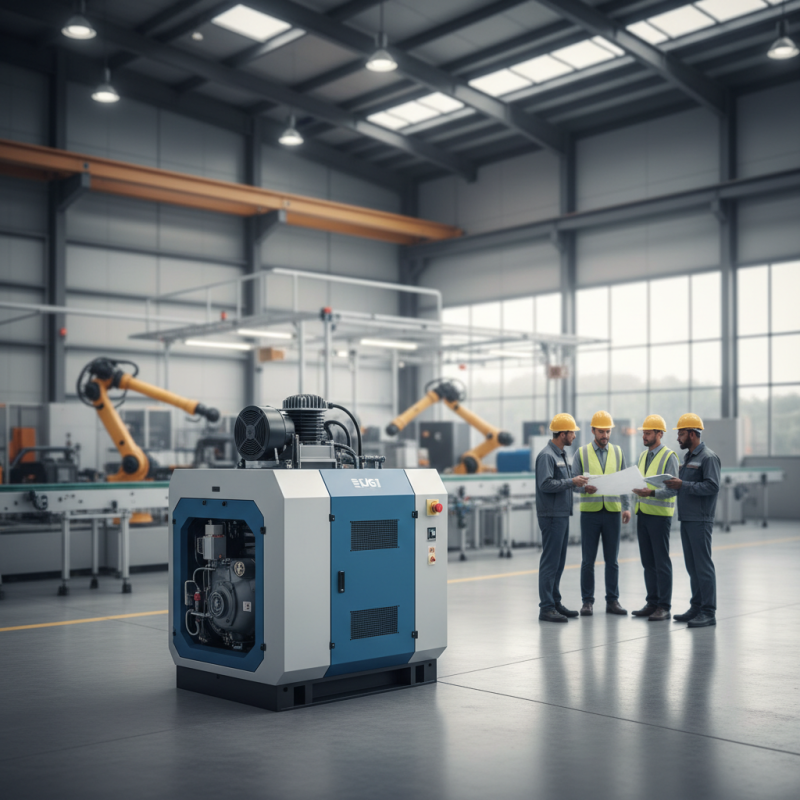
An Elgi compressor is a versatile tool widely used in various industries. It provides compressed air, essential for many operations. This equipment can power tools, convey materials, and even clean surfaces. The design of these compressors focuses on efficiency and reliability. They are built for long-term use, minimizing downtime in your business.
In addition to standard compressed air applications, Elgi compressors can be customized. This adaptability allows businesses to meet specific needs. They often run quieter than other compressors, reducing noise pollution in the workplace. However, users must regularly maintain these machines to ensure optimal performance. Without proper care, efficiency can decline, leading to increased operational costs.
Investing in an Elgi compressor can be a game-changer. Yet, it’s important to analyze its integration into your current system. Some companies may find the transition challenging. Training staff to use and maintain the equipment is crucial. If overlooked, this could result in underutilization and wasted resources. Thoughtful implementation leads to the best outcomes.
Key Features of Elgi Compressors
Elgi compressors are designed to deliver reliability and efficiency for various industrial applications. Their key features include advanced technology that optimizes energy consumption. This is critical for businesses looking to reduce operational costs. The compressors boast a durable build, ensuring longevity even in demanding environments.
Another highlight is the user-friendly interface, allowing quick adjustments and monitoring. This feature aids operators in managing pressure settings effectively. Moreover, safety mechanisms are integrated, which protect both the machinery and the personnel. Maintenance reminders prompt regular check-ups, which many businesses often overlook.
Elgi compressors also provide varying capacity options to fit different operational needs. Some users, however, find it challenging to choose the right model. A clear understanding of specific requirements is essential. Regular training on the equipment can enhance efficiency and reduce downtime. It’s important to recognize that while Elgi compressors can significantly benefit businesses, proper usage and maintenance practices must be continually evaluated.
Advantages of Using Elgi Compressors in Business
When considering a reliable air compressor for your operations, choosing the right technology is crucial. Elgi compressors stand out in the industry due to their efficiency and durability. According to a report by the International Energy Agency, compressed air accounts for approximately 10% of total industrial energy consumption. Thus, selecting an efficient compressor can significantly lower energy costs.
One of the advantages of using high-quality compressors is their ability to reduce maintenance issues. A study by the Compressed Air and Gas Institute states that poor maintenance can increase energy consumption by 20%. Regularly maintained Elgi compressors can operate more efficiently and with fewer breakdowns. This reduces downtime, leading to improved productivity in your business processes.
Another important factor is air quality. Almost every industry requires clean and dry compressed air. A recent industry report suggests that up to 80% of product defects are linked to poor air quality. Elgi compressors incorporate advanced filtration systems, ensuring you receive the cleanest air possible. While the initial investment might be higher, the long-term benefits are significant. This reflects the broader trend towards sustainability and productivity in modern manufacturing.
Applications of Elgi Compressors Across Industries
Elgi compressors serve various industries. Their versatility is unmatched. In manufacturing, they provide energy solutions for machines. This enhances productivity and efficiency. Additionally, food and beverage sectors rely on these compressors for packaging. Freshness and quality depend on consistent air supply in production lines.
In the automotive industry, these compressors play a crucial role. They power tools needed for assembly and repair. This boosts operational speed and accuracy. Yet, not every compressor meets the high demands. Businesses must analyze their specific needs before selection. Overlooking this can lead to inefficiencies and increased costs.
Healthcare facilities also benefit significantly. Compressed air is used in equipment, ensuring patient care is not compromised. Hospitals need dependable systems without fail. However, occasional maintenance can cause disruptions. Planning for these downtime periods is essential. Understanding the nuances of each application allows companies to maximize the potential of their compressors.
How to Choose the Right Elgi Compressor for Your Needs
Choosing the right air compressor for your business can be complex. Understanding your specific needs is crucial. Assess the air demands of your operations. This includes considering the tools and machinery that require compressed air. Evaluating your pressure and volume needs will sway your decision significantly.
Tip: Calculate your air consumption accurately. This helps you avoid over or under-specifying your compressor. Many businesses do not consider future expansion. They end up with equipment that cannot keep pace with growth.
Look into the various types and sizes. There are rotary screw compressors, piston compressors, and more. Each serves different demands and environments. Also, consider energy efficiency ratings. Higher efficiency can save you money over time.
Tip: Research noise levels. An excessively loud compressor might disrupt your work environment. Understand the installed location's space and ventilation requirements. A poorly placed or maintained compressor could lead to performance issues. Take the time to review and reflect on your choices. It can save both time and money later.