Understanding Gate Valves: The Key to Efficient Fluid Control in Industrial Applications
Gate valves are a critical component in the efficient control of fluid dynamics within various industrial applications. According to a report by MarketsandMarkets, the global gate valve market is projected to grow from USD 5.1 billion in 2020 to USD 6.8 billion by 2025, reflecting a compound annual growth rate (CAGR) of 5.6%. This increase underscores the growing reliance on gate valves for their ability to provide reliable on/off service and minimal flow restriction when fully opened. As industries continue to prioritize efficiency and sustainability, gate valves play an essential role in achieving optimal fluid control, particularly in sectors such as oil and gas, water treatment, and power generation. By understanding the intricacies of gate valves—including their design, operation, and maintenance—industries can enhance operational performance while ensuring compliance with strict regulatory standards.
Key Characteristics of Gate Valves in Industrial Fluid Control
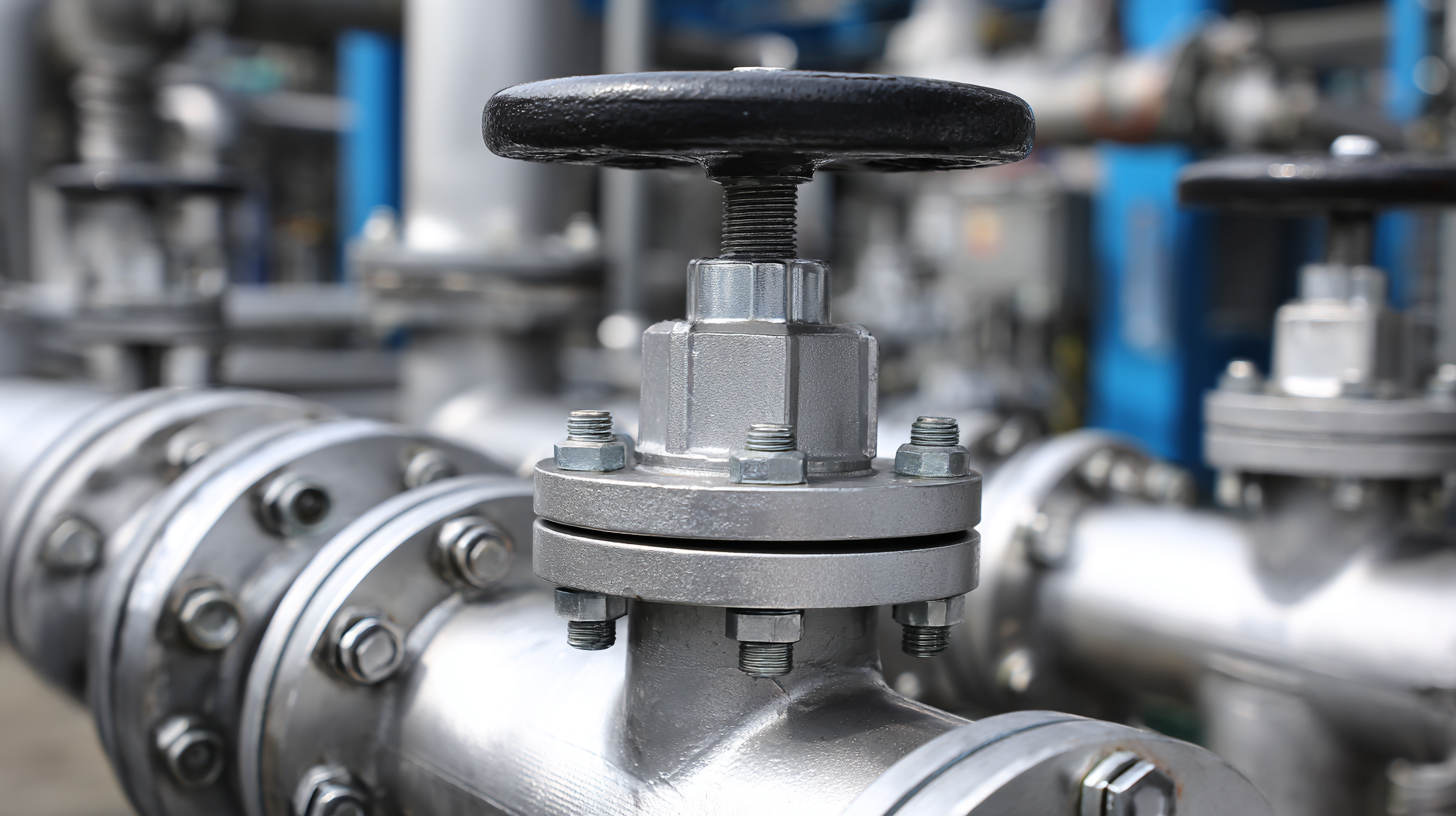
Gate valves play a crucial role in industrial fluid control, primarily due to their unique characteristics that enhance operational efficiency. One of the key features of gate valves is their ability to provide minimal pressure drop when fully opened. This is achieved through their design, which allows for a straight-through flow path, maintaining a uniform flow rate while minimizing turbulence. As a result, gate valves are ideal for applications where fluid flow needs to be maintained consistently without causing unnecessary friction losses.
Another significant characteristic of gate valves is their sealing capability. They are designed with resilient materials that ensure a tight seal when closed, effectively preventing fluid leakage. This quality is essential in industrial settings, where even minor leaks can lead to operational inefficiencies and increased costs. Additionally, gate valves can be operated quickly and easily, making them convenient for scenarios that require swift changes in fluid flow direction. Their sturdy construction allows them to withstand high pressures and temperatures, making them suitable for challenging environments often found in industrial facilities.
Understanding Gate Valves in Industrial Fluid Control
Optimizing Fluid Flow: The Role of Gate Valves in Industrial Systems
Gate valves play a crucial role in optimizing fluid flow within industrial systems. Their design facilitates the straightforward opening and closing of fluid pathways, which allows for minimal pressure loss and improved efficiency. Unlike other types of valves, gate valves are specifically engineered to provide an unobstructed flow when fully opened. This characteristic makes them ideal for applications where a full bore flow is necessary, such as in water supply, drainage, and various process industries.
Furthermore, gate valves are typically used in situations where infrequent operation is required. Their durable construction ensures they can withstand high pressure and temperature, making them suitable for harsh industrial environments. The ability to quickly isolate sections of a pipeline also enhances system control, allowing for easier maintenance and repair without interrupting the entire fluid system. Therefore, understanding the specific applications and benefits of gate valves is essential for engineers and operators seeking to enhance the overall efficiency of fluid control in industrial settings.
Comparative Analysis: Gate Valves vs. Other Valve Types in Fluid Handling
When it comes to fluid handling in industrial applications, gate valves stand out due to their unique design and functionality. According to a report by MarketsandMarkets, the global gate valve market is projected to reach $8.3 billion by 2025, driven by the growing demand for efficient fluid control in oil and gas, water and wastewater treatment, and power generation sectors. Gate valves operate by fully opening or closing, which makes them ideal for applications requiring minimal pressure drop and optimal flow control.
In comparison with other valve types, such as globe valves and ball valves, gate valves exhibit several advantages. Unlike globe valves, which can create significant resistance to flow, gate valves provide a straight-through passage that minimizes turbulence. This quality is particularly advantageous in high-flow systems, with studies indicating that gate valves can achieve up to 95% flow efficiency compared to just 70-85% in globe valves. Furthermore, while ball valves offer quick shut-off capabilities, they might not perform adequately in throttling service due to their design, making gate valves a preferable choice for applications needing precise flow regulation.
Maintenance Tips for Ensuring Gate Valve Efficiency and Longevity
Regular maintenance of gate valves is essential for optimal fluid control in industrial applications. One of the key maintenance tips involves routine inspections. These inspections should focus on checking for any signs of wear, corrosion, or leaks that could affect the valve's functionality. Identifying issues early can help prevent costly downtime and ensure the valve operates efficiently when needed. Additionally, operators should regularly verify that the valve opens and closes smoothly, as increased resistance can indicate underlying problems.
Another important aspect of maintaining gate valves is proper lubrication. Keeping the valve's components lubricated helps minimize friction and wear, extending the lifespan of the valve. It's crucial to use the correct type of lubricant compatible with the materials used in the valve to avoid any adverse reactions. Operators should also follow the manufacturer's recommendations for lubrication schedules to ensure consistency.
Lastly, proper installation and alignment play a significant role in the longevity of gate valves. Improperly installed valves can lead to misalignment issues, causing strain on the valve and potential failure. Taking the time to install and align the valves correctly, along with following up with regular maintenance checks, helps maintain their efficiency and reliability in fluid control systems.

Emerging Technologies in Gate Valve Design for Modern Applications
In the realm of industrial applications, gate valves are becoming increasingly sophisticated due to emerging technologies that enhance performance and efficiency. Recent advancements have focused on materials and design innovations that cater to high-temperature and high-pressure environments. According to a report by MarketsandMarkets, the global gate valve market is projected to reach $12.75 billion by 2025, driven by the demand for energy-efficient solutions and sustainable practices across industries.
One notable trend in gate valve design is the integration of smart technology. These intelligent valves can provide real-time data on flow rates and pressure, allowing for better control and monitoring of fluid systems. The ability to remotely operate and adjust these valves not only increases efficiency but also minimizes downtime for maintenance. A study by Siemens revealed that companies utilizing smart valve technologies could reduce energy consumption by up to 30%.
Tips: When selecting gate valves for your operations, consider opting for models that incorporate corrosion-resistant materials, as these can significantly extend the lifespan of the valve. Additionally, investing in smart valve technology could yield substantial long-term savings and operational efficiency improvements.