What is a Hydraulic Swing Actuator and How Does it Work?
Hydraulic Swing Actuators play a crucial role in various industrial applications. According to a recent market research report by MarketsandMarkets, the actuator market is expected to grow significantly, driven by the rise in automation. These components facilitate movement in equipment, enhancing operational efficiency.
Understanding how Hydraulic Swing Actuators function can improve system reliability. They convert hydraulic pressure into rotational movement, enabling precise control of machinery. This technology is essential in sectors like construction and manufacturing, where coordination is key.
However, it's essential to recognize that not all designs are without flaws. Some actuators may experience wear over time, leading to decreased performance. Regular maintenance and monitoring are necessary to ensure they operate effectively. Companies must remain aware of these potential issues to maximize the benefits of Hydraulic Swing Actuators in their operations.
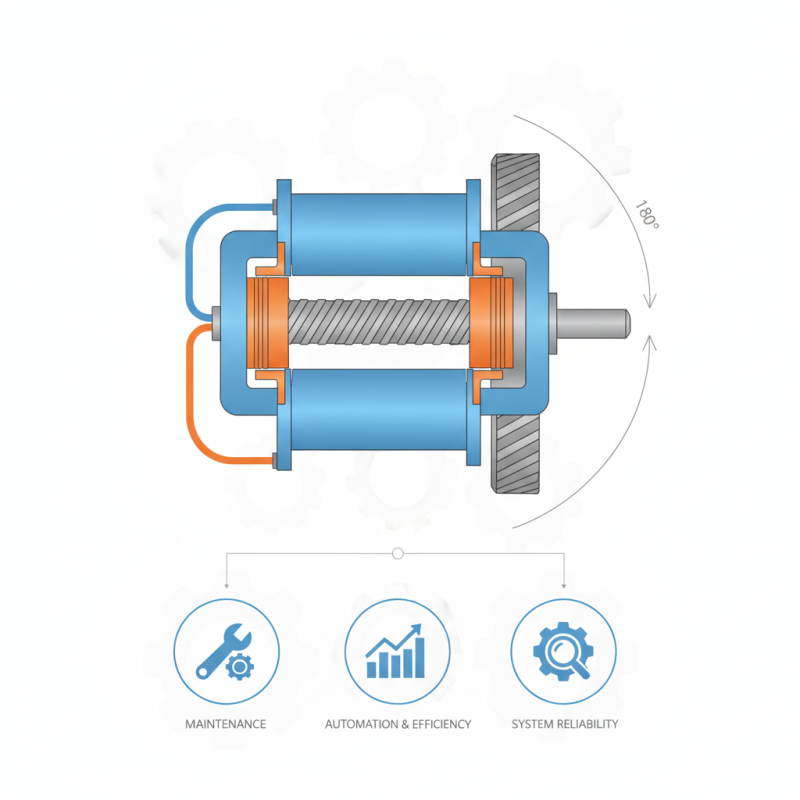
Definition of Hydraulic Swing Actuator
A hydraulic swing actuator is a mechanical device that enables rotational movement through hydraulic force. These actuators are commonly used in heavy machinery, such as excavators and cranes, where precision is crucial. They operate by converting hydraulic pressure into rotational motion. This process involves forcing hydraulic fluid into a cylinder, which then pushes a piston. The movement of the piston rotates the connected arm or platform.
When selecting a hydraulic swing actuator, it's important to consider the required torque and speed. Each application has different demands, so understanding these parameters is key. Overlooking these factors could lead to inefficient performance. Regular maintenance is essential to ensure longevity and function. Accumulated dirt or low fluid levels can impair operation.
Tips: Always check the hydraulic fluid levels to prevent damage. Using a standard check can save time and resources. Additionally, observe the actuator for any unusual noises, as these may indicate wear. Keeping a maintenance log can help track performance issues and make proactive adjustments.
Components of a Hydraulic Swing Actuator
A hydraulic swing actuator is a critical component in various machinery systems. It allows for smooth and controlled swinging motions. Understanding its components is essential for effective use and maintenance.
The actuator primarily consists of a hydraulic cylinder, a piston, and a hydraulic fluid reservoir. The hydraulic cylinder houses the piston, which moves when hydraulic fluid is pressurized. This movement creates torque, enabling the swinging action. The reservoir stores the hydraulic fluid, ensuring the system operates efficiently.
Seals and hoses are also vital parts of the actuator. Seals prevent leaks, maintaining system pressure. Hoses transport hydraulic fluid between components. Regular inspection of these elements is necessary. Worn seals or hoses can disrupt functionality. Proper understanding of each component enhances reliability during operation. Identifying potential issues early can prevent costly repairs and unexpected failures.
What is a Hydraulic Swing Actuator and How Does it Work? - Components of a Hydraulic Swing Actuator
| Component | Function | Materials Used | Typical Applications |
| Cylinder | Converts hydraulic pressure into linear motion | Steel, Aluminum | Construction Equipment, Marine Applications |
| Hydraulic Fluid | Transmits power through the actuator | Mineral Oil, Water-based Fluids | Industrial Machinery, Automotive Systems |
| Control Valve | Regulates flow and direction of hydraulic fluid | Brass, Stainless Steel | Robotic Systems, Heavy Machinery |
| Accumulator | Stores hydraulic energy for later use | Composite Materials, Steel | Power Generation, Aircraft Systems |
Principle of Operation for Hydraulic Swing Actuators
Hydraulic swing actuators are essential components in various machinery. These devices facilitate controlled movement, particularly in heavy equipment. Their principle of operation relies on fluid pressure in a confined space. When hydraulic fluid enters the actuator, it moves a piston, creating the swinging motion.
The actuator features cylinders, pistons, and valves. As hydraulic fluid flows, it pushes the piston inside the cylinder. This action generates torque, allowing the connected components to rotate smoothly. A check valve helps maintain pressure, ensuring the actuator holds its position when no hydraulic fluid is supplied.
Tips: Regular maintenance of hydraulic systems is crucial. Check for leaks and monitor fluid levels. Even minor issues can lead to significant failures. Understanding these components can enhance safety and efficiency in operations. Swapping out worn parts before they fail is a smart move.
For effective operation, proper installation and alignment of the actuator are critical. Misalignment can cause uneven wear and reduce efficiency. Pay attention to the system's parameters, like pressure and temperature, as deviations may indicate problems.
Hydraulic Swing Actuator Performance Metrics
This chart illustrates key performance metrics for hydraulic swing actuators, highlighting their force capacity, speed, stroke length, and response time.
Applications of Hydraulic Swing Actuators in Various Industries
Hydraulic swing actuators play a vital role in industries such as manufacturing, transportation, and construction. These actuators use hydraulic fluid to create linear motion, essential for tasks like lifting, tilting, and turning heavy loads. According to a recent report by MarketsandMarkets, the hydraulic actuator market is projected to reach $20 billion by 2025, driven by increasing demands for automation and efficiency.
In the construction sector, hydraulic swing actuators are often used in cranes and excavators. They allow precise positioning. For example, in high-rise buildings, these actuators enable secure material handling. A survey revealed that 70% of contractors found hydraulic systems increased productivity by 30% over traditional methods. Yet, these systems require regular maintenance to avoid failures, highlighting the need for skilled operators.
In marine applications, hydraulic swing actuators facilitate the opening of bridges and locks. This engineering marvel supports traffic while ensuring safety. However, the complexity of these systems can lead to increased downtime if not monitored closely. Industry experts emphasize the importance of routine inspections and up-to-date training for personnel to mitigate risks. This attention to detail can make a significant difference in operational efficiency.
Advantages and Limitations of Hydraulic Swing Actuators
Hydraulic swing actuators are gaining popularity for their reliable performance. They offer several advantages in various applications, especially in heavy machinery and automated systems. These actuators provide smooth and powerful movements, making them ideal for tasks that require precision. They combine hydraulic pressure with mechanical design, enabling efficient operation.
Despite their benefits, hydraulic swing actuators come with limitations. They require regular maintenance to prevent leaks and ensure functionality. If hydraulic fluid contaminates the system, performance can decline. Additionally, these actuators can be affected by temperature variations, which may alter the fluid's viscosity. Operating in extreme conditions might lead to failures, rendering the system inefficient.
Understanding these pros and cons is crucial for effective implementation. While hydraulic actuators excel in robustness and adaptability, one must consider their maintenance needs and potential vulnerabilities. Careful planning and regular checks can help leverage their strengths while mitigating drawbacks.