Understanding the Importance of Gate Valves in Modern Energy Infrastructure
In today's rapidly evolving energy landscape, gate valves play a critical role in ensuring the safety, reliability, and efficiency of modern energy infrastructure. According to a report by the Global Gate Valve Market, the demand for gate valves is expected to grow significantly, driven by advancements in pipeline construction and maintenance across various sectors, including oil and gas, power generation, and water distribution. The International Energy Agency (IEA) estimates that by 2040, global energy demand will increase by 30%, requiring robust valve technologies to manage extensive fluid flow control. Gate valves, known for their ability to provide a tight seal and minimal pressure drop when fully open, are essential components in this infrastructure, offering benefits such as lower lead times and higher durability. As the industry continues to adapt to new challenges, understanding the importance of gate valves will be crucial for stakeholders looking to enhance operational efficiencies and comply with stringent safety regulations.

The Role of Gate Valves in Energy Infrastructure Efficiency
Gate valves play a crucial role in maintaining energy infrastructure efficiency, particularly in oil and gas systems.
According to the Global Energy Report 2023, approximately 35% of energy loss occurs due to improper valve functioning and maintenance.
Gate valves, designed to provide minimum pressure drop and reduced turbulence, ensure that energy fluid transfer remains effective and reliable.
Their ability to create a tight seal when fully closed significantly contributes to minimizing leaks, thus enhancing overall operational efficiency and reducing environmental impacts.

Moreover, the efficiency of energy distribution systems can be seriously hampered by the use of subpar or improperly maintained valves.
The American Society of Mechanical Engineers (ASME) highlights that optimizing valve performance can improve system efficiency by up to 25%.
By integrating high-quality gate valves into energy infrastructure, operators can not only enhance performance but also extend the operational life of the networks they manage.
This improvement translates into significant cost savings and a more sustainable energy platform, essential for meeting growing global energy demands.
Identifying Key Applications of Gate Valves in Energy Systems
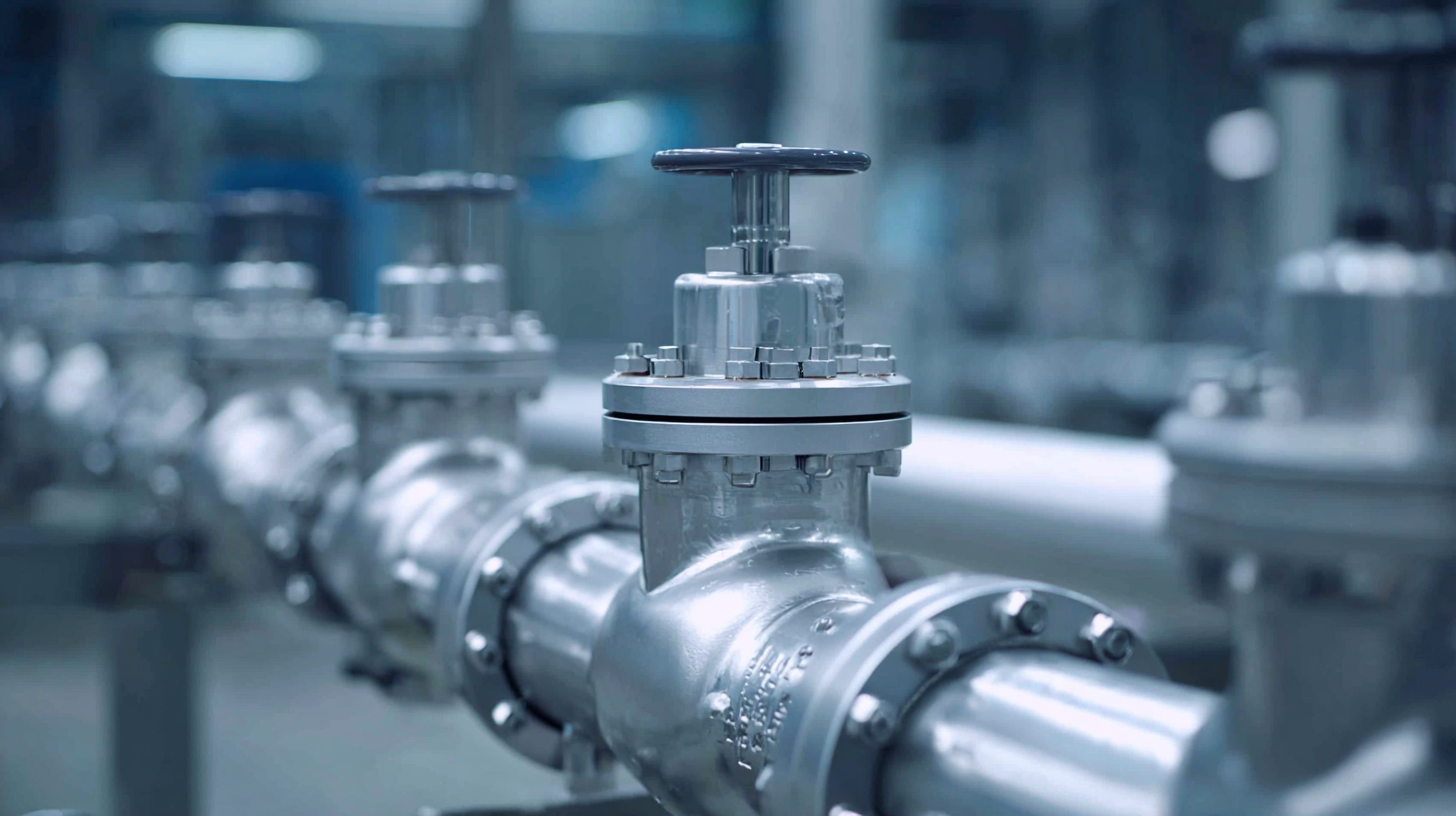
Gate valves are essential components in modern energy infrastructure, serving critical functions in various applications across energy systems. One of the primary uses of gate valves is in pipeline systems, where they control the flow of liquids and gases. These valves are designed to provide a tight seal when fully opened or closed, making them ideal for on/off service in pipelines transporting oil, natural gas, and water. Their ability to minimize pressure drop ensures efficient operation, which is vital in maintaining system integrity and performance.
In addition to their use in pipelines, gate valves are prominently utilized in power generation facilities. They play a crucial role in regulating steam and water flow within boilers and turbines. By enabling precise control of fluid movement, gate valves help optimize energy production and improve overall system efficiency. Furthermore, they are routinely employed in renewable energy applications, such as hydropower plants, where they manage the flow of water through turbines, ensuring that renewable resources are harnessed effectively and sustainably. The versatility and reliability of gate valves make them indispensable in the evolving landscape of energy systems.
How to Choose the Right Gate Valve for Your Energy Needs
When selecting the right gate valve for energy applications, several critical factors come into play. First and foremost, it is essential to consider the pressure rating of the valve. According to a report by the Global Industrial Valves Market (2022), gate valves designed for high-pressure systems, typically rated between 150 to 600 psi, are vital for enhancing operational efficiency and safety in sectors such as oil and gas. Choosing a valve that can withstand the specific pressures encountered in your infrastructure is imperative to prevent failures that could lead to costly downtimes.
Another crucial aspect is the material composition of the gate valve. Energy facilities often operate under harsh conditions, making durability a key concern. The American Society of Mechanical Engineers (ASME) suggests that valves made from stainless steel or high-grade alloys provide superior resistance to corrosion and high temperatures. Furthermore, the proper size and flow characteristics of the gate valve must align with your system’s requirements to ensure optimal performance. Utilizing precise valve sizing can result in a flow efficiency improvement of up to 25%, as highlighted in a study by the International Journal of Energy Research (2021). Therefore, thorough consideration of these factors can significantly impact the reliability and efficiency of modern energy infrastructures.
Understanding the Importance of Gate Valves in Modern Energy Infrastructure - How to Choose the Right Gate Valve for Your Energy Needs
| Type of Gate Valve |
Material |
Pressure Rating (psi) |
Temperature Range (°F) |
Applications |
| Wedge Gate Valve |
Carbon Steel |
150 |
-20 to 150 |
Water, Oil |
| Parallel Slide Gate Valve |
Stainless Steel |
300 |
-50 to 200 |
Gas, Oil |
| Rising Stem Gate Valve |
Cast Iron |
150 |
-20 to 180 |
Water Supply |
| Non-Rising Stem Gate Valve |
Bronze |
200 |
-30 to 140 |
Fire Protection |
| Electric Gate Valve |
PVC |
100 |
-20 to 120 |
Chemical Processing |
Maintenance Tips for Enhancing Gate Valve Longevity
Gate valves play a crucial role in modern energy infrastructure, allowing for the regulation of flow in pipelines. However, their effectiveness is heavily dependent on proper maintenance. By keeping gate valves in optimal condition, operators can ensure reliability and extend their service life, which is vital for minimizing downtime and preventing costly failures.
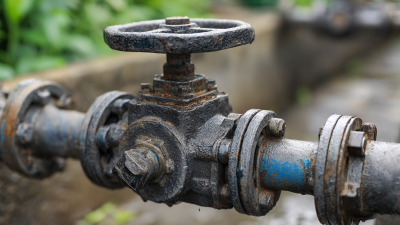
To enhance the longevity of gate valves, one essential tip is to regularly inspect the valve for signs of wear or corrosion. Look for any leaks or unusual vibrations during operation, as these can indicate potential issues. Additionally, lubricating the valve regularly can prevent the mechanism from becoming stiff or stuck, which is especially important in high-pressure applications. It's also advisable to operate the valve fully open or closed, as partial operation can lead to excessive wear.
Another key maintenance tip is to ensure that the gate valve is installed correctly and aligned properly within the piping system. Misalignment can cause undue stress on the valve, leading to premature failure. Lastly, keep a record of maintenance activities and inspections to track the valve's performance over time, which can provide valuable insights into when replacements might be necessary.
Gate Valve Longevity Maintenance Tips
The Impact of Gate Valve Design on Energy Resource Management
The design of gate valves plays a crucial role in the efficiency and reliability of modern energy resource management. Gate valves are primarily used to start or stop the flow of fluids, making their design critical for minimizing pressure drops and ensuring optimal flow rates. Advanced materials and innovative engineering solutions have led to the development of gate valves that not only withstand high pressure and temperature conditions but also reduce the likelihood of leaks and failures. This enhancement in design contributes to safer and more efficient operation within energy infrastructures.
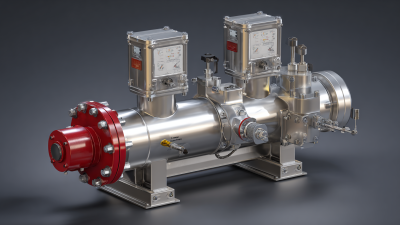
Additionally, the integration of smart technologies in gate valve design has revolutionized the energy sector. Smart gate valves equipped with sensors and automated controls facilitate real-time monitoring and intelligent decision-making processes. This capability allows for more precise management of energy resources, helping operators respond swiftly to changes in demand or unforeseen circumstances. As energy infrastructures become more complex and interconnected, the importance of well-designed gate valves becomes even more pronounced, ensuring that energy production and distribution can be both sustainable and efficient.