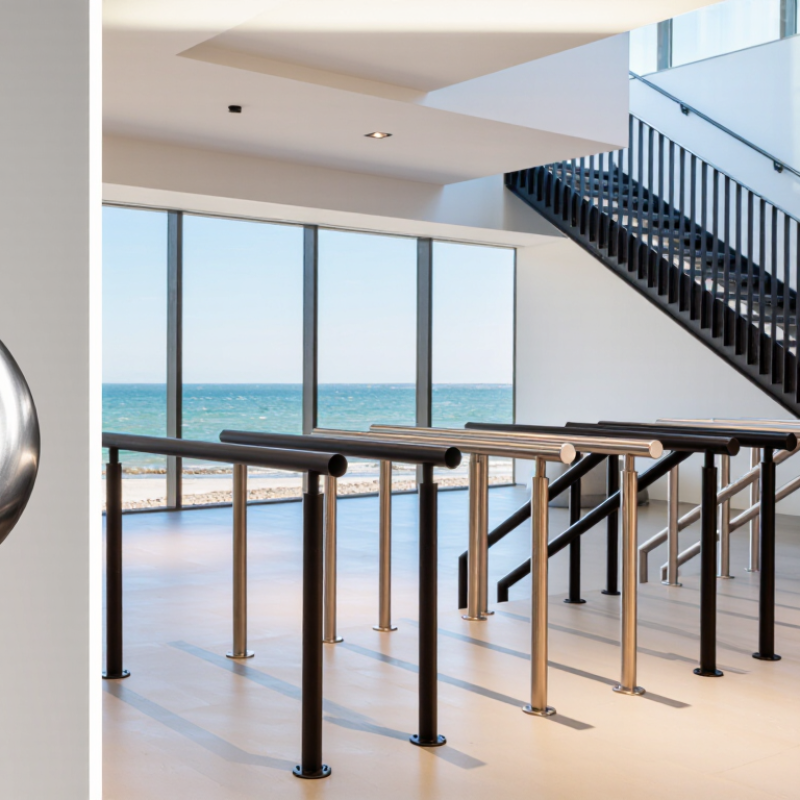
Metal Railings can look simple on a showroom floor: a few posts, rails, and a finish sample. On site, small decisions matter. A coastal project may need stronger corrosion resistance, while a busy public stair needs secure joints and comfortable hand clearance. Buyers also compare material grade, fabrication tolerances, packaging, installation support, and replacement-part availability. A low quotation can leave important details unanswered.
The supply chain is substantial, but broad steel figures do not tell buyers which railing will perform best. World Steel Association’s World Steel in Figures 2024 reports 1,892.2 million tonnes of crude steel production worldwide in 2023. That context makes supplier verification, traceable specifications, and clear quality records worth asking about. Architectural critic John Ruskin wrote, “Quality is never an accident; it is always the result of intelligent effort.” His remark is not railing-specific, but it captures a useful purchasing principle: inspect the details, not just the finish.
This guide presents ten practical checks for global buyers, from defining the site conditions to reviewing samples, drawings, and delivery terms. Ask for measurable answers: alloy or steel grade, coating system, weld-finish expectations, packing method, and inspection documents. Where local project requirements differ, confirm them with the project’s qualified design professional; a supplier’s standard brochure may not cover every condition. Even careful buyers can miss a detail. That is why written specifications and sample approval matter before production begins.
Before requesting railing quotes, define the project, users, and intended use. Is the railing for a balcony, stairway, factory platform, or public walkway? Each setting changes priorities, from child safety to impact resistance and frequent handling. Record required lengths, heights, openings, finish, and expected loads. Also note whether people may lean on it or move equipment nearby. Small details matter. The World Health Organization’s 2021 falls fact sheet estimates 684,000 fatal falls worldwide each year, underscoring why edge protection deserves careful planning. This figure covers falls broadly, not railing failures, so it should not be treated as a product-performance measure.
Inspect the actual site before choosing materials or final dimensions. Measure slopes, slab edges, anchor locations, drainage paths, and clearance for doors or machinery. Photograph corners and transitions; these are easy to miss on a clean drawing. Check exposure to salt spray, rain, chemicals, temperature changes, and cleaning routines. The U.S. Bureau of Labor Statistics reported 885 fatal occupational injuries from falls, slips, and trips in 2023. That workplace data does not predict risk at every project, but it supports close attention to access and edge conditions. Share site measurements and intended use with the fabricator, then confirm applicable local design requirements. A neat plan can still overlook a drain or uneven surface.
Metal choice affects strength, weight, corrosion resistance, and upkeep. Carbon steel handles demanding applications, but it needs a dependable protective coating. Aluminum is lighter and resists rust, though its strength and design options differ. Stainless steel offers strong corrosion resistance, but grade selection matters near salt air. Ask suppliers for material specifications, not just general descriptions. Details matter.
Finish changes both appearance and service life. Galvanizing protects steel, while powder coating adds color and a smooth surface. Scratches can expose the metal beneath, so ask how repairs are handled. A glossy finish looks striking, but it may show fingerprints more than expected. Compare rail spacing, post size, and handrail shape against the site drawings. Simple designs are often easier to clean.
Tips: Match the metal and finish to local weather, including coastal salt, heavy rain, or strong sun. Check that fasteners are compatible with the railing metal; mismatched metals may corrode faster. Ask for cleaning instructions and a realistic inspection schedule. Look closely at joints, welds, and coating edges before installation. Even good materials need care. A small chip can be easy to overlook.
| Tip | What to Compare | Metal Type | Finish and Environment | Design and Practical Notes | Maintenance Needs | Buyer Check |
|---|---|---|---|---|---|---|
| 01 | Match the metal to the site. | Carbon steel is strong and widely used; stainless steel offers good corrosion resistance; aluminum is lightweight and naturally forms a protective oxide layer. | Consider humidity, salt exposure, pollution, and contact with dissimilar metals. Coastal and industrial sites generally need more corrosion-resistant material and detailing. | Check that the proposed metal suits the railing’s structural role, span, and intended location. | Carbon steel usually needs a protective coating kept intact. Stainless steel and aluminum still need periodic cleaning and inspection. | Request the alloy or material grade, intended service environment, and applicable design calculations. |
| 02 | Choose a suitable corrosion-protection system. | For carbon steel, common options include hot-dip galvanizing, paint systems, or a duplex system combining galvanizing and paint. | Hot-dip galvanizing provides a zinc coating; paint adds color and can provide an additional barrier. Suitability depends on exposure and preparation quality. | Confirm that holes, edges, welds, and enclosed areas are considered in the protection process. | Inspect for coating damage, rust, or peeling. Repair damaged areas using a compatible system recommended for the original coating. | Ask for coating specifications, surface-preparation requirements, and inspection records. |
| 03 | Compare stainless steel grades carefully. | Grade 304 is common for many indoor and general-purpose applications. Grade 316 contains molybdenum and is often selected for more demanding chloride exposure. | Neither grade is maintenance-free; actual performance depends on the environment, surface condition, fabrication, and cleaning. | Check that the grade is specified for all relevant parts, including posts, fittings, fasteners, and cable hardware. | Clean deposits regularly with a suitable non-abrasive method. Avoid chloride-containing cleaners and do not use carbon-steel tools that can contaminate the surface. | Verify material certificates and confirm the grade against the project’s exposure conditions. |
| 04 | Assess aluminum’s advantages and limits. | Aluminum is relatively light and can be suitable where reduced self-weight or easier handling is useful. | Powder coating or anodizing can provide color and additional surface protection when properly specified and applied. | Check alloy, section size, connection details, and structural capacity; lightweight construction does not remove the need for engineering review. | Wash off dirt and salt deposits periodically. Touch up or repair coating damage according to the finish supplier’s guidance. | Request the aluminum alloy and temper, finish specification, and design documentation. |
| 05 | Specify the finish by performance, not color alone. | Paint, powder coating, anodizing, and galvanizing have different applications and maintenance requirements. | State the required coating system, color reference, gloss level, and expected exposure. A color sample does not confirm coating thickness or durability. | Check that the chosen finish is compatible with the base metal and any secondary coating. | Use gentle cleaning methods and follow the finish manufacturer’s care guidance. Avoid abrasive pads that can damage the surface. | Request written finish details, sample approval, and the inspection method for coating quality. |
| 06 | Review the railing design for safety and use. | Metal choice does not determine compliance by itself; the complete assembly must meet applicable local requirements. | Outdoor finishes should be selected for the site’s weather and exposure, including freeze-thaw conditions where relevant. | Confirm required height, opening limits, handrail provisions, loads, and any climbability restrictions with the local building authority or project professional. | Include regular checks of connections, anchors, welds, and moving parts where present. | Obtain project-specific drawings and calculations based on the destination jurisdiction’s current codes. |
| 07 | Compare infill options and opening sizes. | Common metal infills include vertical bars, perforated panels, expanded metal, and stainless-steel cable. | Ensure every infill component has a finish and corrosion resistance compatible with the frame and fittings. | Opening size, edge details, visibility, privacy, and local safety requirements can affect the best design. Cable systems may require tensioning. | Inspect infill fixings; retension cable systems when required by their design and maintenance instructions. | Review a full-size detail or sample panel, not just a rendering, before approving the design. |
| 08 | Check connections, fasteners, and metal compatibility. | Fasteners may be stainless steel, galvanized steel, or another specified material, selected to suit the railing and exposure. | Contact between dissimilar metals in the presence of moisture can contribute to galvanic corrosion; suitable isolation may be needed. | Review base plates, anchors, drainage, welds, and access for installation and future inspection. | Look for loose fixings, trapped water, corrosion at joints, and damage to protective coatings. | Ask for connection details and confirm that fasteners and isolation materials are included in the specification. |
| 09 | Plan transport and installation before ordering. | Material weight, section length, and fabrication method affect packing, handling, and installation. | Protect finished surfaces from abrasion, moisture, and contamination during storage and transit. | Check site measurements, tolerances, fixing locations, delivery access, and whether the system arrives assembled or in sections. | Inspect delivered components before installation and repair any damage using an approved method. | Confirm drawings, packing method, installation instructions, and responsibility for site measurements. |
| 10 | Compare lifecycle cost and maintenance access. | Initial price should be considered alongside material, coating, installation, cleaning, and repair requirements. | More demanding environments may call for a higher-performance material or coating system and more frequent inspections. | Choose a design that allows safe access to clean surfaces and inspect joints, anchors, and hidden areas. | Set an inspection and cleaning schedule based on exposure, use, and the supplier’s documented care instructions. | Compare written specifications, warranty terms, spare-part availability, and maintenance guidance on a like-for-like basis. |

Before comparing finishes or prices, confirm which building code governs the project. Rules for guard height, opening size, and structural loads can differ by country, building use, and installation location. A balcony railing may face different requirements from an interior stair guard. Ask for the applicable code clause and a load test report showing the tested configuration, not just a general product brochure. The World Health Organization’s Falls Fact Sheet (2021) estimates that falls cause about 684,000 deaths and 37.3 million severe injuries requiring medical attention each year. Railings are only one safety measure, but their performance matters.
Check that any certificate names the exact railing system, material, finish, and manufacturing site being supplied. Confirm its scope, issuing body, test method, and validity date. For example, ISO/IEC 17025 accreditation applies to testing laboratories; it does not certify a railing product by itself. Small gaps matter. Ask whether test samples included the same posts, fasteners, and base plates as your order. For corrosion protection, request coating specifications and inspection records suited to the site’s exposure, especially near salt water. Paperwork can mislead. I would also compare the supplier’s declared line and point loads with local code requirements, then have the project engineer review any unclear assumptions before purchase.
A supplier’s brochure can show polished railings, but it cannot prove consistent production. Ask for recent project references, material specifications, and inspection records. If possible, review a sample and check its dimensions, weld finish, and coating coverage. A factory visit may reveal how components are packed and tracked. Looks reassuring. Still, one sample cannot represent every batch.
Assess quality against the railing’s intended location and use. Request details on metal grade, coating type, fasteners, and any relevant test results. Compare quotes line by line: post spacing, handrail dimensions, finish, packaging, and freight can change the real cost. A low quote may omit installation hardware or protective packing. Check before comparing. Small details matter, especially when goods travel far and replacements take time.
Read warranty terms before placing an order. Confirm when coverage begins, which defects qualify, and whether corrosion, coating failure, or loose joints are included. Ask who pays for inspection, shipping, and replacement labor. Some warranties cover materials but not repair costs. That distinction is easy to miss. Keep the approved drawings, sample notes, and written commitments together; I have seen buyers rely on a verbal assurance and later struggle to show what was agreed.
10 Metal Railings Buying Tips for Global Buyers?
Plan Sampling, Shipping, Customs, Installation, and Final Inspection
Treat the sample as a miniature jobsite, not just a finish swatch. Check post spacing, weld quality, coating consistency, handrail grip, and the actual fixings. Test a corner assembly against the intended substrate. Record dimensions and acceptable tolerances before approving production. A polished sample can still hide awkward installation details.
Shipping plans need measurements, not guesses. Confirm crate dimensions, gross weight, lifting points, moisture protection, and package labels before booking freight. The World Bank’s 2023 Logistics Performance Index assessed 139 economies across six dimensions, including customs and international shipments. Use it as a reminder to check the destination market’s clearance process early. Ask a customs broker to verify tariff classification and required documents; assumptions can delay delivery. A neat spreadsheet may still miss one small crate.
Tip: Send installation drawings with the shipment. At delivery, photograph damaged packaging and count components before signing. During installation, check anchor locations, plumb posts, and rail height against approved drawings. Keep a punch list for scratches, loose fittings, and missing caps. Final inspection should happen in daylight, before protective film comes off everywhere. One detail may need rework; plan for that possibility.
Join our mailing list to receive the latest news and updates from our team.