Why Choose a Resilient Gate Valve for Water Systems?
A water system is only as dependable as its shutoff points. When crews need to isolate a main, repair a service line, or control flow to a building, the valve must close reliably after long periods of little use. A Resilient Gate Valve is designed for this role, using a coated wedge that meets the valve body to create a tight seal. In practice, the details matter: pipe size, pressure rating, water quality, installation position, and operating method all affect suitability.
Small choices add up. A valve buried in a damp chamber faces different conditions from one inside a pump station. The stem and coating need protection, while accessible operating hardware can make inspection and maintenance easier. Buyers should check product specifications, applicable project requirements, and the manufacturer’s installation guidance rather than relying on a general description. For example, a valve that fits the line diameter may still be unsuitable if its pressure rating or end connections do not match the system.
There is no perfect valve for every network. That’s worth remembering. A Resilient Gate Valve can offer practical isolation with a straightforward design, but performance depends on correct selection, installation, and periodic checks. Even a robust component can disappoint if debris prevents full closure or if it is operated incorrectly. This guide explores where resilient gate valves fit in water systems, which features deserve attention, and what questions to ask before specifying one. The aim is not to promise trouble-free service, but to help readers make a well-informed choice for the conditions they actually face.
What Is a Resilient Gate Valve?
What Is a Resilient Gate Valve?
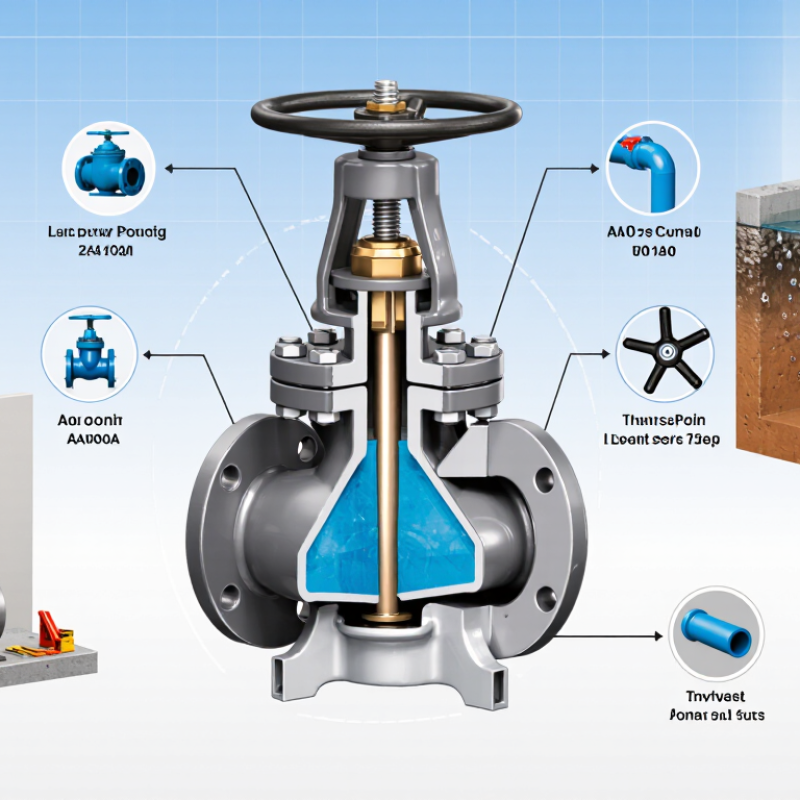
A resilient gate valve is an isolation valve that stops or allows water flow with a sliding wedge. The wedge is coated with an elastomer, commonly EPDM, and presses against the valve’s internal seating surfaces when closed. This flexible contact helps create a tight seal, even when small particles remain on the seat. The handwheel or actuator turns a stem to raise or lower the wedge. When fully open, the passage is generally unobstructed. It is not designed for routine flow throttling. That distinction matters.
For waterworks applications, AWWA C509 and C515 set requirements for resilient-seated gate valves, including design and testing provisions. The U.S. Environmental Protection Agency’s 2023 Drinking Water Infrastructure Needs Survey and Assessment estimated that the nation needs $625 billion over 20 years for drinking water infrastructure.
That figure makes dependable isolation equipment relevant, but a valve’s performance still depends on correct sizing, installation, and periodic inspection.
Check the pressure rating, end connections, and operating conditions before specifying one. Elastomer compatibility also deserves attention; water chemistry and temperature can affect service life. A resilient seat is useful, not invincible. That point is easy to miss.
How Does a Resilient Gate Valve Control Water Flow?
Why Choose a Resilient Gate Valve for Water Systems?
How Does a Resilient Gate Valve Control Water Flow?
A resilient gate valve controls water with a gate that moves up or down across the flow path. Turning the handwheel raises the gate, allowing water to pass through with little obstruction when fully open. Turning it the other way lowers the gate until its rubber-coated surface presses against the valve seat. This creates a tight shutoff for isolation and maintenance. The valve works best fully open or fully closed, not as a flow regulator. Even so, operators sometimes use it partly open, which can cause unnecessary wear.
Tips: Open and close the valve gradually, especially on a pressurized line. Check the stem and handwheel for stiffness or damage. Before selecting a valve, confirm its pressure rating, connection size, and materials suit the system. Keep the valve accessible for inspection.
The resilient seat helps accommodate small contact irregularities, but it cannot compensate for every problem. Sediment, damaged sealing surfaces, or incorrect installation may still cause leakage. A slow, careful operation can also help reduce sudden pressure changes in the pipe. It is worth checking the actual flow conditions rather than assuming a gate valve will solve every control issue.
Why Choose a Resilient Gate Valve for Water Systems? — How Does a Resilient Gate Valve Control Water Flow?
| Feature | How It Works | Water-System Benefit | Selection Consideration |
| Flow control | Turning the stem raises or lowers a wedge-shaped gate across the passage. The valve is designed primarily for fully open or fully closed service. | Provides a straightforward way to isolate sections of a water main or distribution network. | Not intended for routine throttling; partial opening can cause turbulence and wear. |
| Resilient wedge and seat | An elastomer-covered wedge presses against the valve body’s seating surfaces when closed, creating a tight shutoff. | The flexible seating surface helps accommodate minor particles and surface irregularities during closure. | Confirm elastomer compatibility with the water, temperature, and applicable potable-water requirements. |
| Open-flow passage | When fully open, the gate retracts from the main flow path; many designs provide a full-bore passage. | Can limit obstruction and pressure loss compared with valve designs that leave a restriction in the open passage. | Check the valve’s actual bore and pressure-loss data for the required flow and pipe size. |
| Flow direction | Many resilient-seated gate valves are designed to seal with flow from either direction. | Bidirectional operation can simplify installation in distribution systems. | Verify the specific valve’s design and installation instructions before fitting. |
| Operation | A handwheel, gearbox, or actuator turns the stem to move the gate between open and closed positions. | The operating method can be matched to access conditions and the required level of automation. | Allow for the operating time and clearance needed to fully open or close the valve. |
| Typical applications | Used for isolation in water distribution, utility, and building-service piping where on/off control is required. | Supports maintenance and repairs by allowing a pipeline section to be shut off. | Select materials, pressure rating, end connections, and approvals for the system’s service conditions. |
| Pressure and standards | Pressure capability and dimensions depend on the valve design and the applicable product standard. | Correct specification helps ensure the valve suits the pipeline’s operating and test conditions. | Check the nameplate and technical documentation; ratings are not universal across all valves. |
Which Design Features Support Water System Use?
Which Design Features Support Water System Use?
A resilient gate valve is built for dependable isolation, not flow regulation. Its wedge is covered with elastomer, helping it seal against the valve body when closed. A smooth, full-bore passage allows water to move with less obstruction when the gate is fully raised. In practice, this matters during maintenance: crews can isolate a pipe section without leaving a narrow opening that traps debris. The valve should not be used to throttle flow; partial opening can wear the sealing surfaces.
Material choices matter, too. Ductile iron bodies, corrosion-resistant internal coatings, and stems designed to resist corrosion support long service in buried or damp locations. Stem seals help limit leakage and contamination pathways, while accessible operating nuts make routine checks more practical. No valve is maintenance-free. A damaged coating or poorly protected stem can undermine an otherwise sound design.
The scale of renewal needs is substantial. The U.S. Environmental Protection Agency’s 2023 Seventh Drinking Water Infrastructure Needs Survey and Assessment estimated $625 billion in drinking water infrastructure needs over 20 years. That figure covers much more than valves, but it highlights why maintainable components matter. Specify materials for the water and installation conditions, and verify the valve’s pressure rating and dimensions before installation. Details count.
Why Choose a Resilient Gate Valve for Water Systems?
Design features that support water-system use
Resilient gate valves commonly use an elastomer-coated wedge to support tight shutoff, protective coatings to help resist corrosion, and a straight-through flow path when fully open. Stem seals and maintainable components also support routine service. Ratings are qualitative comparisons of design relevance, not measured performance; features vary by valve model.
What Benefits Does It Offer Compared with Other Valves?
A resilient gate valve suits many water systems because its elastomer-coated wedge forms a tight seal against the valve body. When fully open, the wedge lifts clear of the flow path, creating little obstruction. Compared with a globe valve, which redirects water through the body, this design can reduce pressure loss in isolation lines. That matters on long mains, where avoidable resistance adds up.
Against a butterfly valve, a full-bore gate valve can leave a more open passage for water and, where the system allows, cleaning equipment. A butterfly valve is often lighter and quicker to operate, but its disc remains in the flow. Gate valves, by contrast, usually need several turns to open or close. Not ideal for frequent adjustments. They are meant for on-off service, not precise throttling.
In field maintenance, the resilient seat can help achieve dependable shutoff without metal-to-metal seating, provided the valve is correctly selected and installed. Check pressure rating, pipe alignment, and water quality; grit or poor installation can still damage sealing surfaces. There is a trade-off: a buried gate valve may be slow to access when repairs are needed. It is a practical choice, but not an automatic fit for every layout.
How Should You Choose a Resilient Gate Valve?
Choosing a resilient gate valve starts with the actual duty, not the catalog headline. Confirm pipe size, working pressure, water temperature, and whether the line carries potable water. A valve in a buried distribution main faces different demands from one inside a pump room. Check the end connections and face-to-face dimension against the pipe before ordering. Small mismatch, costly delay.
For drinking-water service, request documentation showing compliance with applicable local requirements for materials in contact with water. Inspect the pressure rating, body material, resilient wedge, stem design, and coating system. Corrosion resistance matters, but so do soil conditions, water chemistry, and installation environment. If sediment is common, ask how the seat and sealing surfaces handle debris. A gate valve is generally intended for full-open or full-closed service, not frequent throttling.
Consider operation and upkeep, too. Will there be room to turn a handwheel, or is a gearbox or extension spindle needed? For buried valves, confirm the operating nut, valve-box depth, and access after paving. Review installation instructions and maintenance needs with the crew who will service the valve. The paperwork can look convincing; I would still compare it with site conditions. That check is easy to overlook.