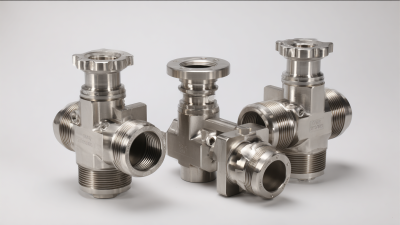
The Rise of Stainless Steel Ball Valves in Industrial Applications Why Quality Matters
The industrial landscape is evolving, with stainless steel ball valves emerging as a pivotal component across various sectors. According to a recent report by Market Research Future, the global stainless steel ball valve market is projected to grow at a compound annual growth rate (CAGR) of 5.6% from 2021 to 2027, driven by their durability, ease of maintenance, and resistance to high temperatures and corrosion. This trend underscores the increasing reliance on stainless steel ball valves in critical applications such as petrochemical, oil and gas, and water treatment.
Expert insights further emphasize the significance of quality in this domain. Dr. Elena Martinez, a leading valve technology specialist, stated, "The efficiency and longevity of industrial systems are significantly influenced by the quality of components like stainless steel ball valves." Her remark highlights the necessity for manufacturers to prioritize high-grade materials and advanced engineering practices to meet the rigorous demands of modern industry. As organizations strive for greater reliability and performance, the commitment to quality in stainless steel ball valves will undoubtedly play a crucial role in ensuring operational excellence and sustainability in industrial applications.

The Evolution of Stainless Steel Ball Valves in Industrial Settings
The evolution of stainless steel ball valves in industrial settings has been significantly shaped by advancements in technology and the increasing demands for reliability and safety. Historically, these valves have played a crucial role in processes requiring precise control and shutoff capabilities. Recent developments have focused on integrating features such as partial stroke testing, allowing operators to assess valve functionality without the need for complete shutoffs, thereby minimizing operational disruptions. This innovation is particularly relevant in sectors where emergency shutdowns can result in substantial losses or hazards.
Moreover, the growth of smart mining and other industrial sectors necessitates the use of high-quality valves that can withstand challenging environments and offer enhanced performance. The projected growth of the global valves market indicates a shift toward more intelligent and automated systems, with stainless steel ball valves at the forefront due to their corrosion resistance and longevity. As industries evolve, the emphasis on quality in these components will be paramount, ensuring they meet the rigorous standards set by modern applications to enhance safety and efficiency in operations.
Key Advantages of Stainless Steel Over Other Materials in Valves
Stainless steel ball valves have gained prominence in industrial applications due to their superior qualities compared to other materials. One of the key advantages of stainless steel is its exceptional resistance to corrosion and high temperatures, making it an ideal choice for demanding environments such as oil and gas, water, and wastewater treatment. Unlike alloy-based steel alternatives that may deteriorate over time, stainless steel maintains its integrity, reducing the need for frequent replacements and ensuring long-term reliability.
Tips: When selecting valves for your industrial operations, consider the specific environmental conditions, such as exposure to corrosive substances and temperature fluctuations. Stainless steel's durability often translates to lower maintenance costs and extended service life.
Moreover, advancements in manufacturing processes have further enhanced the performance of stainless steel ball valves. Innovations like automated production lines and precision machining techniques lead to higher quality products that can withstand greater pressure levels. This is particularly crucial in the nuclear power sector, where valve reliability is paramount. By investing in high-quality stainless steel valves, industries can not only improve efficiency but also ensure safety in their operations.
Tips: Always evaluate the material specifications and pressure ratings of valves before purchasing, ensuring they align with your application requirements for optimal performance.
Understanding the Importance of Valve Quality in Industrial Processes
In industrial processes, the quality of valves plays a crucial role in ensuring operational efficiency and safety. According to a report by MarketsandMarkets, the global industrial valve market is projected to reach $103.9 billion by 2025, with stainless steel ball valves accounting for a significant share due to their corrosion resistance and durability. The superiority of stainless steel over other materials is particularly evident in chemical processing and oil & gas applications, where exposure to harsh environments is common.
Furthermore, the American Society of Mechanical Engineers (ASME) highlights that the failure of valve components can lead to severe operational disruptions and safety hazards, costing industries millions annually. High-quality stainless steel ball valves mitigate these risks by maintaining integrity under high pressures and temperatures, thereby reducing maintenance costs and downtimes. With stringent quality standards, such as those outlined in the ISO 9001 certification, manufacturers ensure that every valve produced meets rigorous safety and performance benchmarks, ultimately leading to improved productivity in industrial settings.
The Rise of Stainless Steel Ball Valves in Industrial Applications
This chart illustrates the importance of valve quality across various industrial processes. As industries increasingly rely on stainless steel ball valves, understanding quality metrics becomes essential for optimal performance.
Common Applications of Stainless Steel Ball Valves in Various Industries
Stainless steel ball valves have gained significant traction across various industrial applications due to their durability and resistance to corrosion. One common application can be found in the chemical processing industry, where these valves are essential for controlling the flow of aggressive chemicals. Their ability to withstand high pressures and temperature fluctuations makes them ideal for maintaining system integrity and safety in harsh environments.
In the oil and gas sector, stainless steel ball valves play a crucial role in exploration and refining processes. They are used in pipelines to manage the flow of combustible materials, ensuring safe and efficient operations. Additionally, these valves are prevalent in water treatment facilities, where their corrosion resistance and reliability help in maintaining clean and safe water supplies. With the diverse applications of stainless steel ball valves, their quality is paramount, as it directly impacts operational efficiency and safety standards across industries.
Factors to Consider When Choosing Stainless Steel Ball Valves
In recent years, the demand for stainless steel ball valves in industrial applications has surged, primarily due to their durability and resistance to corrosion. When selecting stainless steel ball valves, several critical factors must be considered to ensure quality and reliability. One significant aspect is the valve's material composition, particularly the grade of stainless steel used, as this directly impacts the valve's performance in various environments. Reports indicate that the stainless steel market is projected to reach $11.7 billion by 2025, highlighting the growing reliance on high-quality materials.
Additionally, manufacturers' certifications and compliance with industry standards are essential in the selection process. Companies should look for valves that meet rigorous testing protocols, as this ensures the valves can withstand high pressures and temperatures. Furthermore, utilizing valves from reputable manufacturers backed by a proven track record is crucial. According to the metal forging market analysis, which was valued at $7.75 billion in 2022 and is expected to grow at a CAGR of 6.1%, quality assurance in manufacturing processes becomes paramount in maintaining operational efficiency.
Tips: Always check the manufacturer’s documentation for certifications and warranty policies. Before making a purchase, consult industry experts or review case studies to understand how various product choices stand up under real-world conditions. Ensuring compatibility with your system requirements is also vital to avoid costly upgrades or replacements later on.