Top Tips for Choosing the Best Stainless Steel Valves?
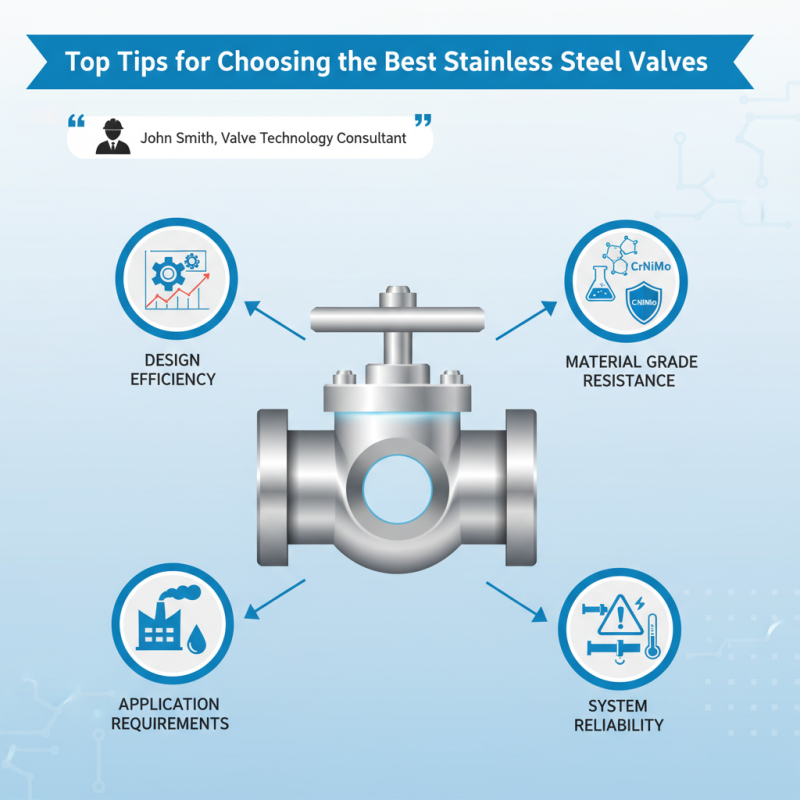
When selecting the right stainless steel valves, understanding their importance is crucial. Industry expert John Smith, a valve technology consultant, once stated, “Choosing the right valve can make or break a system’s efficiency.” This captures the essence of why careful consideration is essential in the selection process.
Stainless steel valves are vital components in many industrial applications. They offer durability and corrosion resistance, making them suitable for harsh environments. However, not all stainless steel valves are created equal. Factors such as design, material grade, and application requirements can significantly impact your choice. This complexity can make the decision daunting.
It's important to recognize that even small details can lead to major consequences. A poorly chosen valve could result in leaks or system failures. Reflecting on your specific needs and the operational environment is key. Taking the time to evaluate different options will ensure better long-term results and reliability in your systems. Understanding these intricacies can ultimately guide you toward making informed choices about stainless steel valves.
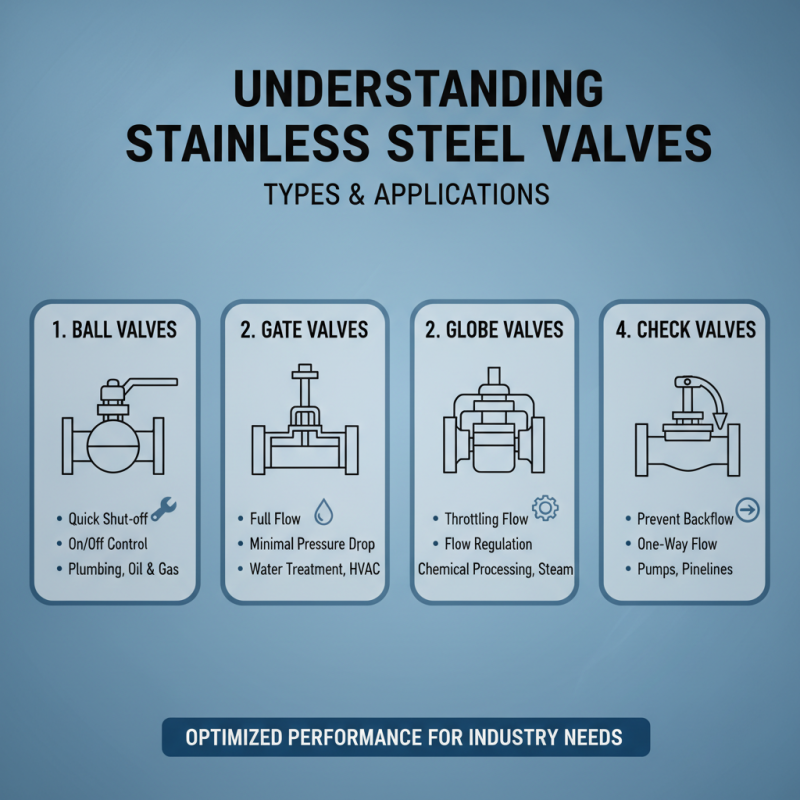
Understanding Stainless Steel Valves: Types and Applications
When exploring stainless steel valves, understanding their types and applications is crucial. Stainless steel valves come in various forms, including ball, gate, globe, and check valves. Each type has unique properties that cater to specific industry needs. For instance, ball valves excel in quick shut-off applications, while globe valves are ideal for throttling flow. This diversity allows for optimized performance in different settings, from plumbing to chemical processing.
To choose the right stainless steel valve, consider the application’s pressure and temperature conditions. Assess the fluid that will pass through the valve. Some corrosive or abrasive materials demand tougher materials and features. Regular maintenance can enhance valve life and ensure reliable performance.
Keep these tips in mind when selecting valves. Research different types and their specifications. Look into certifications that assure quality and reliability. Investing time in this research often pays off in efficiency gains and reduced operational costs. Reflect on past choices; learning from experience is just as important as gathering new knowledge.
Key Factors to Consider When Selecting Stainless Steel Valves
When selecting stainless steel valves, paying attention to key factors is essential. Start by considering the valve type. Different applications call for varying designs, such as ball, gate, or butterfly valves. Each type serves its specific purpose, impacting flow control and durability. Understand where the valve will be used and the environment it will encounter. For example, corrosive environments demand higher quality materials.
Material grade is another critical consideration. Stainless steel valves come in various grades, with 304 and 316 being the most common. Grade 316 offers better corrosion resistance, making it ideal for marine or chemical applications. Always look for the certifications and standards met by the valves. This adds a layer of reliability and assurance to your selection.
Compatibility is often overlooked. Ensure the valve materials match the piping system to avoid leaks or failures. Sometimes, a higher initial cost may deter buyers. However, investing in quality prevents costly repairs later. It's important to reflect on not only immediate needs but also long-term performance. Make sure to ask the right questions before making a decision. This will help you choose wisely.
Top Tips for Choosing the Best Stainless Steel Valves
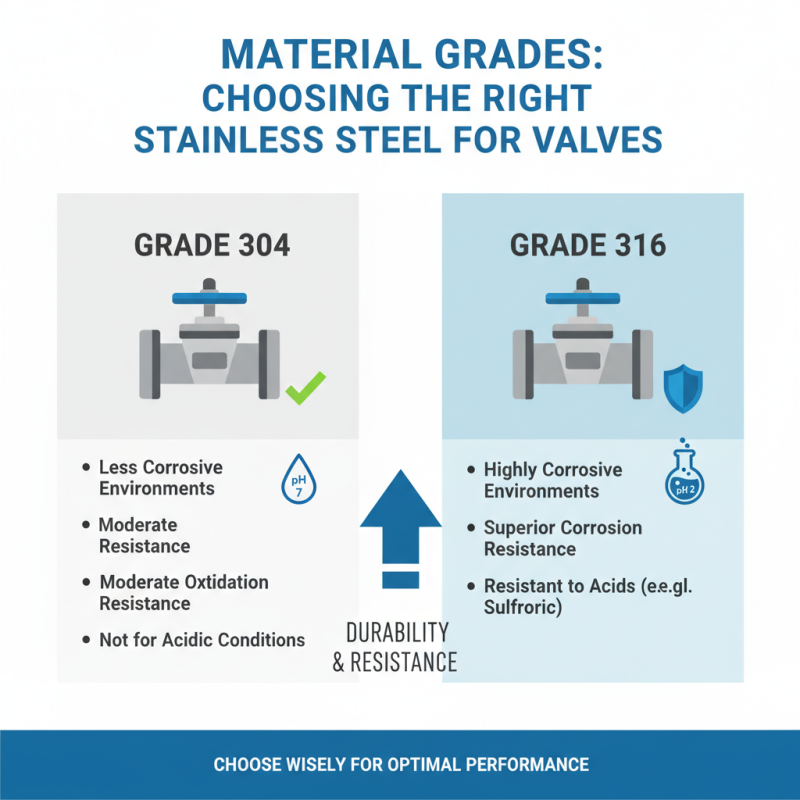
Material Grades: Choosing the Right Type of Stainless Steel
Choosing the right type of stainless steel for valves is crucial. Different grades offer various properties, influencing durability and resistance. Common grades include 304 and 316, each serving unique applications. For instance, 304 stainless steel is often used in less corrosive environments. It has moderate resistance to oxidation. However, it may not perform well in acidic conditions.
On the other hand, 316 stainless steel enhances corrosion resistance. It is ideal for marine and chemical applications. The addition of molybdenum provides extra protection. However, this grade can be more expensive. Selecting the right grade depends on your specific needs and budget. It’s essential to weigh both performance and cost-effectiveness.
Understanding the unique properties of these grades is key. It's not just about picking the shiny material; it's about ensuring long-lasting performance. Reflecting on your environment and processes will guide your choices. Maybe you've experienced premature valve failures in the past. These learnings can inform your decisions now.
Sizing and Compatibility: Ensuring Proper Fit for Your System
When selecting stainless steel valves, sizing and compatibility are critical. A well-fitted valve enhances system efficiency. Measure the pipe diameter accurately before choosing a valve. The sizes must match precisely; otherwise, leaks may occur.
Consider the application when determining compatibility. Different fluids and pressures require specific valve types. A valve unsuitable for high pressure may fail prematurely. Consult expert resources if there’s any uncertainty. It's easy to overlook compatibility, but doing so can lead to significant issues later.
Don’t underestimate the importance of proper installation. Even the best valve won’t perform well if not installed correctly. Take the time to check the alignment. Misalignment can cause wear and tear over time. Regular maintenance checks are vital for longevity. Reflect on your choices; learning from mistakes can prevent future headaches.
Top Tips for Choosing the Best Stainless Steel Valves
| Dimension |
Value |
Compatibility |
Application |
| Size |
1 inch |
Standard piping |
Water supply |
| Pressure Rating |
150 psi |
High-density systems |
Gas distribution |
| Material Grade |
304 SS |
Corrosion-resistant |
Food processing |
| Connection Type |
Threaded |
Versatile |
Industrial systems |
| Actuation Type |
Manual |
Easy operation |
Heating systems |
Maintenance and Lifespan: How to Maximize Valve Performance
When it comes to stainless steel valves, maintenance is key. Regular inspections can help identify wear and tear early. Research indicates that proper maintenance can extend valve lifespan by up to 50%. It’s essential to check for corrosion, leaks, and unusual noises. Addressing these issues promptly can prevent costly replacements.
Cleaning is vital. Dirt and debris can significantly affect valve performance. It is advisable to clean valves with compatible solvents, ensuring no residue is left behind. Maintenance schedules vary, but a quarterly check is a common recommendation by industry experts. Such diligence ensures reliable operation and reduces unexpected failures.
The environment plays a significant role in a valve's lifespan. For instance, extreme temperatures or high-pressure systems can accelerate deterioration. Some reports suggest that temperature fluctuations can lead to material fatigue over time. It's worth noting that stainless steel is resistant to many elements, but ongoing vigilance is crucial. The attention paid to these factors can mean the difference between a valve that lasts years and one that fails prematurely.