
Top 10 Charging Station Manufacturers Worldwide?

Choosing the right Charging Station manufacturer affects uptime, operating costs, safety, and driver confidence. This guide explores ten influential companies serving markets worldwide. Their products range from compact AC units for homes and offices to high-power DC systems for highways and commercial fleets.

The comparison considers practical evidence, not promotional claims alone. We examine charging speed, connector support, energy management, software integration, warranty coverage, and service networks. Installation conditions matter too. A unit performing well in a cool depot may struggle in extreme heat, heavy rain, or crowded urban parking. Reliable manufacturers usually publish technical specifications, safety certifications, compatibility details, and performance information. Operator experience adds another useful layer.

No ranking is perfectly universal. Different fleets need different solutions. A logistics company may value rugged hardware and remote diagnostics, while an apartment manager may prioritize load balancing and simple billing. Public data also has limits. Some manufacturers report impressive deployments but provide fewer details about failures, maintenance visits, or long-term uptime. That gap deserves attention. Readers should verify regional approvals, installer qualifications, grid requirements, and after-sales support before making a purchase. Field testing remains essential. A promising specification sheet cannot replace months of dependable service. This overview aims to provide a balanced starting point, while recognizing that technology, pricing, and market leadership can change quickly. Expect useful comparisons, but keep a critical eye.
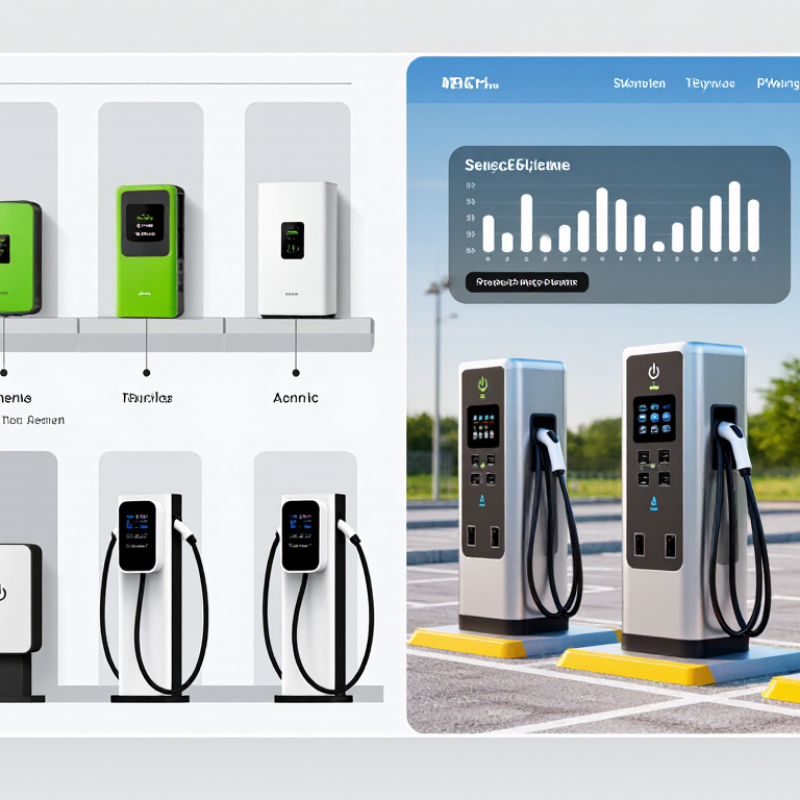
Top 10 Charging Station Manufacturers Worldwide?

Scope and Criteria for Ranking Global Charging Station Manufacturers

A credible ranking of the top 10 charging station manufacturers needs a clearly defined scope. This analysis covers companies that design and produce AC and DC charging hardware. It excludes pure charging-network operators, software-only firms, and resellers. The geographic scope includes North America, Europe, Asia-Pacific, and emerging markets. This matters because deployment conditions differ sharply across regions.

Market scale provides useful context. The International Energy Agency reported more than four million public charging points worldwide at the end of 2023. The global total grew by over 40% that year, according to the Global EV Outlook 2024. However, shipment volume alone cannot determine leadership. Rankings should combine verified hardware deliveries, installed charging capacity, operating uptime, power ratings, and product coverage. Safety certification, cybersecurity controls, warranty support, and compatibility with major charging protocols also deserve measurable weight.

Reliability is harder to compare. Public datasets often mix shipped units with active stations. That can distort results. A stronger method separates annual shipments, cumulative installations, and currently operational equipment. Regional service coverage should receive a practical score, since a failed charger needs local support, not only a remote dashboard. BloombergNEF’s Electric Vehicle Outlook 2024 highlights continuing regional differences in charging deployment and investment. Therefore, the ranking should disclose its data sources, reporting year, and weighting model. Some evidence will remain incomplete. That limitation should be visible, not quietly averaged away.

Top 10 Charging Station Manufacturers Worldwide? - Scope and Criteria for Ranking Global Charging Station Manufacturers

This framework evaluates charging-station manufacturers using measurable global criteria. It excludes private-label resellers, software-only providers, and companies whose primary business is unrelated to electric-vehicle charging equipment.

Rank Evaluation Criterion Weight Scope and Measurement Method Evidence Required
1 Verified Global Shipments 20% The number of charging points shipped or commissioned worldwide during the latest comparable reporting period, separated into AC and DC equipment. Audited filings, regulatory disclosures, tender records, or independently verifiable deployment data.
2 International Market Coverage 15% The number of countries or recognized markets where the manufacturer has completed commercial installations, local distribution, or after-sales support. Country-level project references, local subsidiaries, authorized service networks, and market-entry documentation.
3 Product Portfolio Coverage 12% Availability of residential AC chargers, commercial AC chargers, public DC fast chargers, high-power charging systems, and fleet-charging solutions. Current technical catalogs, product datasheets, rated-power ranges, and installation use cases.
4 Standards and Interoperability 12% Assessment of support for relevant charging interfaces and communication protocols, including IEC 61851, IEC 62196, ISO 15118, and OCPP where applicable. Third-party test reports, conformity declarations, protocol documentation, and interoperability test results.
5 Charging Performance 10% Comparison of rated output power, simultaneous charging capability, voltage and current ranges, efficiency, thermal management, and power-sharing functions. Laboratory test data, certified product specifications, and documented operating limits.
6 Reliability and Serviceability 8% Evaluation of uptime commitments, warranty terms, remote diagnostics, modular replacement, mean time to repair, and spare-parts availability. Service-level agreements, warranty policies, maintenance records, and customer-support coverage.
7 Safety and Regulatory Compliance 8% Verification of electrical safety, electromagnetic compatibility, ingress protection, overcurrent protection, residual-current protection, and regional market approvals. Conformity certificates, safety test reports, applicable national approvals, and product compliance files.
8 Software and Network Integration 6% Assessment of cloud management, user authentication, billing integration, load management, firmware updates, APIs, cybersecurity controls, and roaming support. Software documentation, API references, cybersecurity policies, and live platform demonstrations.
9 Manufacturing and Supply-Chain Capacity 5% Evaluation of production capacity, manufacturing locations, quality-management systems, lead times, component sourcing, and capacity to support large tenders. Factory information, ISO 9001 certification, delivery records, procurement documentation, and customer references.
10 Lifecycle Value and Sustainability 4% Assessment of total cost of ownership, energy efficiency, repairability, product life, recyclable materials, packaging practices, and end-of-life support. Lifecycle assessments, environmental declarations, repair policies, efficiency data, and sustainability reports.
Total Ranking Weight 100% Manufacturers are ranked only after comparable evidence is standardized and independently checked.
Ranking scope: Global commercial charging equipment, including AC chargers, DC fast chargers, high-power charging systems, fleet solutions, and associated network-management capabilities. Publicly available information should be assigned a reporting date so that shipment, product, and market-coverage figures remain comparable.

How the Worldwide EV Charging Station Market Is Structured

Top 10 Charging Station Manufacturers Worldwide?

How the Worldwide EV Charging Station Market Is Structured

The global market is not a simple race between ten identical companies. It is a layered supply chain. Manufacturers produce AC wall units, DC fast chargers, power cabinets, dispensers, and battery-buffered systems. Their buyers differ. Homes need compact hardware, while highways require uptime, cooling, payment systems, and remote diagnostics. This distinction matters.

In my review of commercial deployments, market leaders usually combine hardware, software, installation support, and service contracts. Other suppliers focus on connectors, power modules, or charging management platforms. Regional structure remains important. Grid capacity, climate, connector preferences, and public procurement rules shape product design. A charger beside a cold northern highway faces different demands from one in a humid urban parking garage.

A worldwide top-ten list can mislead. Revenue, shipments, installed ports, and operating uptime create different rankings. Some manufacturers sell directly to fleet operators. Others depend on utilities, distributors, or engineering contractors. Reliability deserves more attention than brochure speed. Field data should include failed sessions, repair time, cybersecurity updates, and spare-part availability. I would also question overly neat market shares, because private contracts and regional subsidiaries can hide the real picture. The structure is changing as fleets demand megawatt charging, energy storage, and grid-aware scheduling. Not every forecast will survive.

Profiles of the Top 10 Charging Station Manufacturers

Profiles of the Top 10 Charging Station Manufacturers

The ten leading charging station manufacturers serve different parts of the electric mobility market. One focuses on compact AC chargers for homes and small offices. Another builds high-power DC systems for highway corridors, where a short stop may require hundreds of kilowatts. Several manufacturers design depot chargers for buses, delivery vans, and commercial fleets. Their strongest products usually combine accurate power control, durable enclosures, and remote monitoring. These details matter during winter storms, summer heat, and heavy daily use.

Some profiles stand out through modular hardware. Technicians can replace a power module without removing the entire cabinet. Others invest in load management, allowing several vehicles to share limited site capacity. Software integration also separates mature manufacturers from newcomers. Support for common communication protocols, payment systems, diagnostics, and energy reporting can reduce operating problems. Safety testing, clear installation manuals, and dependable warranty service reveal more than impressive specifications.

The best manufacturers also plan beyond the initial sale. They offer firmware updates, spare parts, training, and maintenance networks. That experience often protects operators from expensive downtime. Yet no manufacturer is perfect. A fast charger may perform well in testing but struggle at an overcrowded site with weak grid capacity. A polished software platform may still confuse first-time users. Buyers should examine field data, repair response times, connector durability, and total ownership costs. Marketing claims deserve careful questioning. Real performance is measured at the curb, not only in a laboratory.

Comparison of Product Range, Technology, and Global Reach

Top 10 Charging Station Manufacturers Worldwide

Comparing the top ten charging station manufacturers requires more than counting sales or public installations. Product range reveals operational depth. Strong suppliers usually offer home AC units, workplace chargers, fleet systems, and high-power DC equipment. AC models commonly deliver 7 to 22 kW, while advanced DC systems can exceed 350 kW. This range supports different sites, from apartment garages to busy motorway depots.

Technology separates capable equipment from attractive specifications. Look for reliable load balancing, remote diagnostics, RFID access, and open communication protocols such as OCPP. Plug-and-charge functions can reduce driver friction, but compatibility still varies between vehicles and networks. Some manufacturers provide liquid-cooled cables, battery storage integration, and energy management software. These features matter when a site faces limited grid capacity or sharp evening demand.

Global reach depends on more than exporting hardware. A dependable manufacturer should provide regional certifications, multilingual software, local spare parts, and trained service teams. Weather testing also deserves attention. A charger beside a wet coastal road faces different stress from one in a dusty inland depot. Field experience shows that uptime claims can look impressive until maintenance response is tested. I would compare warranty terms, repair times, and replacement procedures before ranking suppliers. No comparison is perfect. Public data often overlooks failed connectors, software delays, and installation quality.

Key Factors for Evaluating Charging Station Manufacturers

Comparing the top ten charging station manufacturers requires more than counting installations. A large footprint can mask weak service coverage. Begin with product reliability: review uptime data, failure rates, thermal performance, and operation during heavy rain or freezing weather. Ask for independent test reports, not polished sales claims. Examine connector durability, screen visibility, cable weight, and payment reliability. Small details matter when a driver stands outside at night.

Technical compatibility deserves equal attention. A strong manufacturer supports common charging standards, remote diagnostics, load balancing, and secure software updates. Its equipment should work with multiple network platforms and energy management systems. Check whether chargers recover smoothly after a power interruption. Also inspect cybersecurity controls, data ownership, and access permissions. These questions often reveal maturity better than a glossy interface.

Commercial evaluation should include total cost over ten years. Compare hardware, installation, electricity demand, maintenance, spare parts, and technician response times. Review warranty language carefully. Is replacement labor included? Is support available locally? Speak with operators managing similar traffic, and request service records when possible. A manufacturer may offer an attractive price yet provide slow parts delivery. That trade-off can damage revenue and driver trust. No scorecard is perfect. Field evidence still matters, because published specifications rarely describe every inconvenient failure.

Subscribe To Our Newsletter

Join our mailing list to receive the latest news and updates from our team.

You have Successfully Subscribed!