
Choosing a reliable Swing Slide Door manufacturer requires more than comparing product photos and quoted prices. Global buyers must examine engineering quality, production experience, testing methods, and after-sales support. A door may look impressive online, yet fail during repeated use, temperature changes, or heavy traffic. Small details matter, including track alignment, sealing performance, glass protection, and emergency access design.
This guide introduces ten Swing Slide Door manufacturers serving international markets. The selection considers manufacturing history, technical capability, customization options, certifications, delivery experience, and customer service. We also examine practical factors, such as stainless-steel finishes, automatic control systems, sound reduction, and installation guidance. These details can influence performance in hospitals, hotels, commercial buildings, transport facilities, and industrial sites.
No ranking can suit every buyer. That deserves attention. A manufacturer strong in automatic doors may not be ideal for a small renovation project. Another supplier may offer excellent craftsmanship but limited regional support. Product data can also change over time. Buyers should verify current certificates, factory capacity, warranty terms, and reference projects before signing a contract. Where possible, request samples, drawings, maintenance instructions, and realistic shipping timelines. A short factory video is useful, but it cannot replace an audit. This overview is designed to support careful comparison, not to replace professional procurement judgment.
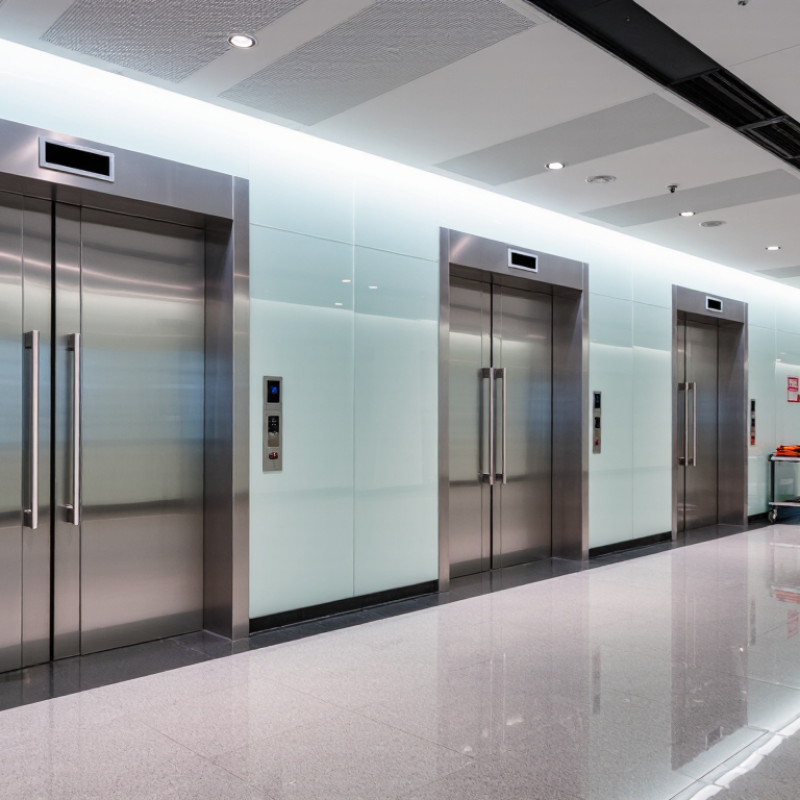
Swing slide doors combine two movements in one opening system. The panel swings away from its frame, then slides along a track. This design helps maintain a tight seal while reducing the clearance needed outside the doorway.
A typical door uses hinges, guide rollers, a locking mechanism, and perimeter gaskets. During operation, the panel first moves outward or inward by a few centimeters. It then travels sideways, often on concealed or floor-mounted hardware. Electric models may use sensors, control panels, and backup release systems. Manual versions depend on balanced hardware and a practical pull handle. The exact sequence varies by design.
These doors are common in hospitals, laboratories, food facilities, and controlled industrial rooms. In my experience, the seal matters as much as the motion. Even a smooth panel can perform poorly if the gasket compresses unevenly. Track alignment also deserves attention. Small installation errors can create noise, friction, or difficult closing.
Buyers comparing global manufacturers should request tested load ratings, cycle data, material specifications, and maintenance instructions. Ask how the door behaves during power loss. That detail is often overlooked. Stainless steel supports demanding environments, while insulated cores can improve temperature control. Still, no door is maintenance-free. Dust, worn rollers, and damaged seals gradually affect performance. A careful site survey remains essential, because a technically impressive door may not suit the available wall space or traffic pattern.
Top 10 Swing Slide Door Manufacturers for Global Buyers
Evaluating swing slide door manufacturers requires more than comparing prices. Check their engineering experience, production capacity, and history with international projects. Ask for material specifications, load calculations, testing records, and installation drawings. Reliable manufacturers explain tolerances clearly and identify limits before signing an order. A polished catalog can still hide weak quality control.
Assess compliance for the destination market, including fire performance, accessibility, electrical safety, and environmental requirements. Confirm whether testing comes from an independent laboratory. Review warranty terms, spare-part availability, response times, and technician training. Request references from projects with similar door sizes, traffic levels, and climate conditions. Shorter lead times are attractive, but rushed production may create alignment problems.
Tips: Inspect a sample or video-test the door under repeated cycles. Measure opening width, floor level, wind exposure, and nearby obstacles. Ask how the door behaves during power loss. Compare factory audit findings with customer feedback, not promises alone. No checklist is perfect. Leave room for site conditions, because drawings rarely show every uneven floor or installation delay. Document decisions in writing, including approved materials, inspection points, packaging details, and acceptance criteria. This simple record can prevent expensive misunderstandings across languages and time zones.
| Rank | Evaluation Criterion | Recommended Buyer Benchmark | Evidence to Verify | Suggested Weight | Why It Matters |
|---|---|---|---|---|---|
| 1 | Product Safety and Compliance | Documented conformity with applicable destination-market building, fire, accessibility, and electrical requirements. | Third-party test reports, declarations of conformity, fire-rating documentation, and installation instructions. | 20% | Reduces regulatory, liability, and project-approval risks. |
| 2 | Door Construction and Materials | Clearly specified frame, panel, glazing, hardware, seals, and corrosion-resistance grades for the intended environment. | Material datasheets, section drawings, finish specifications, and sample or prototype inspection. | 15% | Affects durability, appearance, thermal performance, and maintenance needs. |
| 3 | Operating Cycle and Durability | Published cycle-test results matched to the expected traffic level, operating force, and door weight. | Laboratory cycle reports, maintenance schedules, warranty terms, and field references. | 12% | Helps predict service life and total cost of ownership. |
| 4 | Customization Capability | Ability to support project-specific dimensions, swing direction, glazing, finishes, locks, access control, and threshold details. | Approved drawings, engineering-change process, configuration list, and prototype policy. | 10% | Improves fit with local construction conditions and project specifications. |
| 5 | Quality Management System | Documented incoming inspection, in-process controls, final inspection, traceability, and corrective-action procedures. | Quality certificates, inspection plans, nonconformance records, and audit results. | 10% | Supports consistent production quality across repeated orders. |
| 6 | Lead Time and Production Capacity | A written production schedule with realistic sampling, manufacturing, inspection, packing, and dispatch milestones. | Capacity statement, recent delivery performance, production plan, and agreed milestone dates. | 8% | Reduces construction delays and inventory-planning uncertainty. |
| 7 | International Packaging and Logistics | Export-grade packaging with moisture protection, impact protection, clear labeling, and shipment documentation. | Packaging specification, loading photographs, carton marks, packing list, and shipping terms. | 7% | Minimizes transit damage, customs issues, and installation confusion. |
| 8 | Installation and Technical Support | Complete installation drawings, adjustment guidance, spare-parts information, and responsive technical communication. | Installation manuals, training records, response-time commitments, and local service arrangements. | 7% | Lowers installation errors and shortens troubleshooting time. |
| 9 | Warranty and After-Sales Service | Clear warranty scope, exclusions, claim procedure, spare-parts availability, and defined service responsibilities. | Warranty certificate, service-level terms, replacement-parts list, and previous claim references. | 6% | Protects operating continuity after delivery and installation. |
| 10 | Commercial Transparency and Total Cost | Comparable quotation covering product price, tooling, packaging, freight terms, taxes, installation, spare parts, and maintenance. | Itemized quotation, payment terms, incoterm, validity period, ownership of tooling, and lifecycle-cost estimate. | 5% | Enables fair comparison beyond the initial purchase price. |
| Total Suggested Evaluation Weight | 100% | Use with project-specific requirements. | |||
International buyers need more than attractive photographs when comparing the top ten swing slide door manufacturers. They should examine project experience, engineering depth, and export reliability. A strong manufacturer explains door weight, opening cycles, track design, and installation tolerances clearly. Technical drawings should match the delivered product.
Look for manufacturers offering tested hardware, corrosion-resistant finishes, and stable performance in humid or coastal environments. Ask for evidence of load testing and quality inspections. Check whether the door supports local electrical requirements when automation is included. Packaging also matters. Reinforced corners, moisture protection, and labeled components can prevent costly damage during long-distance shipping.
Communication is another practical measure. Reliable suppliers provide clear quotations, realistic lead times, spare-part guidance, and responsive after-sales support. They should understand customs documents and coordinate with installers across time zones. A polished catalog can still hide weak production control. That deserves attention. The ranking is not absolute, because project needs vary by climate, building use, budget, and service access. Buyers may also request a sample corner, finish chip, or factory inspection before confirming a large order. Small details often expose larger weaknesses.
When comparing the top 10 swing slide door manufacturers, global buyers should examine product range before judging price. Some suppliers offer compact hospital doors, heavy-duty industrial models, and glazed entrances. Others focus on one application, which may simplify technical support. Check opening width, traffic volume, fire-rating options, frame materials, and sensor compatibility. A showroom door is not enough evidence.
Quality appears in practical details. Look for stainless steel hardware, reinforced hinges, quiet operators, and seals that resist dust and moisture. Ask for cycle-test data, maintenance intervals, spare-part availability, and documented installation procedures. I have found that small differences in sensor response can affect daily safety and staff efficiency. Certification must match the destination market. Useful documents may include CE marking, relevant EN standards, UL recognition, or local electrical approvals. Verify certificates with the issuing body, not only a sales representative.
Pricing should include shipping, installation, commissioning, training, and replacement parts. A cheaper quotation may exclude the controller, safety sensors, or custom glazing. That can change the final cost quickly. Request an itemized offer and a warranty with clear response times. Supplier experience matters too, especially when adapting doors to uneven floors or older buildings. I would not treat any ranking as permanent. Product updates, factory audits, and after-sales performance can change the result within a year. A careful buyer should compare samples, references, test reports, and support capacity before signing.
When comparing the top ten swing slide door manufacturers, global buyers should assess project fit, not popularity alone. An experienced installer will examine opening size, traffic frequency, climate, and available service space. Ask for certified load data, cycle testing, material grades, and clear installation drawings. A beautiful door can still fail.
Request evidence of factory quality controls, including incoming inspection, welding checks, surface treatment, and final functional testing. Reliable manufacturers explain tolerances instead of hiding them behind broad claims. For hospitals, warehouses, hotels, or food facilities, verify hygiene requirements and cleaning compatibility with local standards. Do not accept copied specifications.
Compare warranty terms, spare-part availability, response times, and technician training before signing a purchase agreement. A capable supplier can provide a sample, remote design review, and references from similar climates. Check the hardware in person if possible; feel the track, inspect seals, and listen for uneven movement. I have seen buyers overvalue low prices and underestimate downtime. That mistake is expensive. Even a strong shortlist deserves another review when drawings change or delivery routes become uncertain.
This neutral procurement benchmark prioritizes the criteria commonly used when comparing swing slide door manufacturers for international projects. Safety compliance and long-term durability receive the highest weights, while customization, lead time, installation support, total cost, and after-sales service help complete the evaluation. These weights are a project-planning model, not a ranking of any company or brand.
Join our mailing list to receive the latest news and updates from our team.