
China Top Back Stretcher Board Manufacturers?

Choosing among China’s top Back Stretcher Board manufacturers requires more than comparing factory prices. Buyers should check board dimensions, material specifications, load testing, surface finish, packaging, and quality-control procedures. Ask for current test records and clear product photographs. A polished sample matters. So does the documentation behind it.

The need for thoughtful product evaluation is clear. The World Health Organization identifies low back pain as the leading cause of disability worldwide. A 2023 Lancet Rheumatology analysis estimated that 619 million people experienced low back pain in 2020. It projected 843 million cases by 2050. These figures describe a health burden, not demand for any particular stretching device. Professor Rachelle Buchbinder, a leading researcher in back pain, has emphasized that low back pain is a symptom with varied causes. In practical terms, a stretching board should not be treated as a diagnosis or a guaranteed remedy.

This guide compares manufacturers through product evidence, production capability, customization, communication, and export experience. It also considers details buyers can verify, such as rounded edges, stable contact points, and consistent surface quality. One limitation deserves attention: reliable public data on the Back Stretcher Board market itself is scarce. That makes supplier claims harder to compare. The most useful shortlist is therefore built on transparent specifications, independently checkable records, and samples inspected in hand—not headline promises.
China Top Back Stretcher Board Manufacturers?

What Is a Back Stretcher Board and How Is It Used?

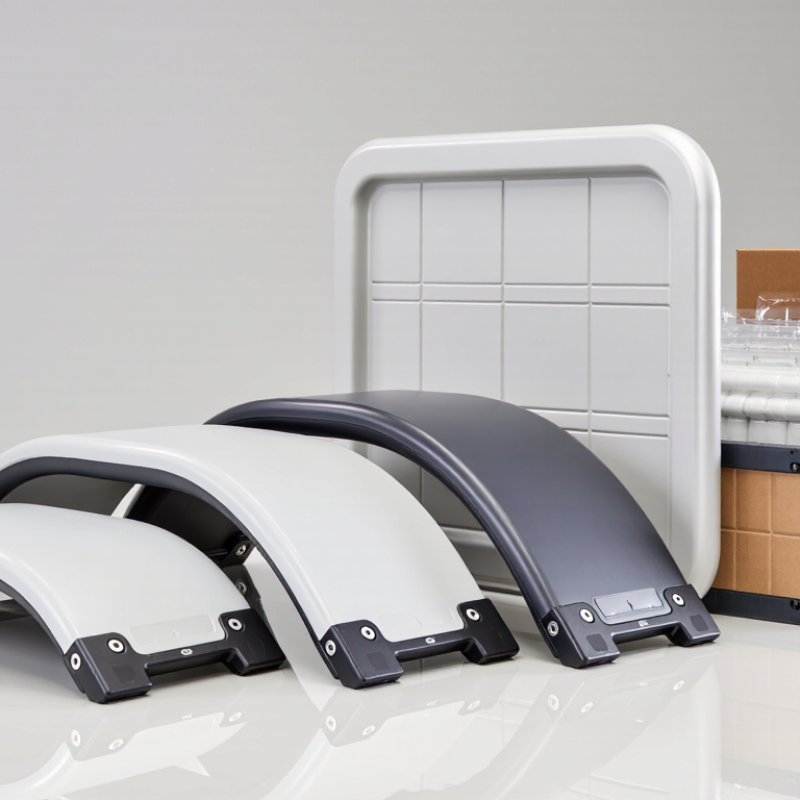
A back stretcher board is a curved support designed to place the lower or middle back into a gentle arch. Many boards have raised ridges or adjustable height settings. These features let users choose a mild or deeper stretch, depending on comfort and mobility. The board does not actively pull the spine; body weight creates the pressure. Small adjustments matter.

To use one, place it on a firm, level surface and sit beside it. Lower yourself slowly until your back rests across the curve, with your knees bent and feet flat. Start at the lowest setting and stay for a short, comfortable interval. Breathe normally. Stop if you feel sharp pain, numbness, tingling, or dizziness. A stretch may feel unfamiliar, but it should not feel forced. It is not magic.

Afterward, roll to one side and rise carefully rather than sitting up abruptly. Clean and inspect the board regularly, especially around hinges or adjustment points. People with recent injuries, osteoporosis, spinal conditions, or persistent pain should ask a qualified health professional before using one. A board can support a stretching routine, but it does not diagnose or treat the cause of back discomfort. Results and comfort vary, and that limitation is worth taking seriously.

How Is China’s Back Stretcher Board Manufacturing Sector Organized?

China’s back stretcher board manufacturing sector is usually organized around several linked functions, rather than one factory doing everything. Material suppliers provide molded plastics, plywood, foam, straps, and packaging. Manufacturers then shape or mold the main board, fit support components, assemble the unit, and prepare it for shipment. Some facilities handle most steps in-house; others rely on specialist workshops for molding or finishing.

That structure affects consistency. During a factory review, buyers can ask how board dimensions are checked, whether load testing is recorded, and how rough edges or loose fittings are handled. A useful sample check includes inspecting strap stitching, surface finish, and the stability of the board on a flat floor. Small details matter. Export-oriented suppliers may also coordinate labeling, cartons, and order documentation, but capabilities vary between factories. A tidy sample room is not proof of reliable production. Ask whether the sample matches the materials and process planned for repeat orders, and request clear inspection records. Even then, documentation can miss flaws that appear after repeated use, so product feedback should inform later checks.

China Top Back Stretcher Board Manufacturers? - How Is China’s Back Stretcher Board Manufacturing Sector Organized?
Sector Layer Role in the Supply Chain Typical Products or Operations Useful Data to Compare How Buyers Can Verify It
Product design and development Turns product requirements into designs, tooling specifications, and production instructions. Board shape, support layout, adjustment features, surface texture, packaging design, and product samples. Available drawings, sample-development process, revision control, and design ownership terms. Request dimensioned drawings, a pre-production sample, and written confirmation of design and tooling ownership.
Material and component supply Provides plastics and any supplementary components used in a finished board. Plastic resins such as polypropylene or ABS may be used, depending on the product design; components may include hinges, adjustment parts, or padding. Material grade, color consistency, component specifications, and traceability records. Check material declarations and purchase specifications; confirm that the documented material matches the production sample.
Molding and forming Creates the board’s main body and molded surface features. Injection molding is a common process for molded plastic products. Mold design and process settings influence dimensions and surface finish. Tooling condition, dimensional tolerances, defect records, and production-sample approval. Review inspection criteria and sample measurements; ask how tooling maintenance and mold changes are recorded.
Finishing and assembly Completes products that use multiple parts or require additional finishing. Part fitting, assembly of adjustment mechanisms, edge finishing, visual inspection, and labeling. Assembly instructions, fit checks, appearance standards, and lot identification. Request the assembly checklist and inspect representative units from a production lot.
Quality control and product safety Checks that products meet agreed specifications and applicable destination-market requirements. Incoming-material checks, in-process inspections, finished-product checks, and review of product claims and warnings. Inspection plan, test methods, acceptance criteria, corrective-action records, and relevant test reports. Confirm that reports identify the tested product and model; verify requirements for the intended market with the relevant authority or qualified testing provider.
Packaging and export preparation Protects products during storage and transport and prepares shipment documentation. Retail or bulk packaging, carton labeling, packing lists, and export coordination. Packaging dimensions, carton quantity, labeling language, shipment terms, and document responsibilities. Approve a packaging sample and confirm carton markings and shipping documents before dispatch.
Factory-direct and contract manufacturing Supplies products directly or manufactures to a buyer’s specification; trading and sourcing intermediaries may also coordinate orders. Standard products, customized colors or packaging, private-label orders, and production based on buyer-approved specifications. Manufacturing location, subcontracting policy, order terms, lead-time commitments, and communication responsibilities. Ask who performs molding and assembly, whether any stages are subcontracted, and which party is responsible for quality approval.
Supplier comparison and ranking Organizes a shortlist using comparable evidence rather than unsupported “top manufacturer” claims. Comparison of product fit, manufacturing capability, quality systems, documentation, and commercial terms. Sample results, verified production capabilities, inspection evidence, responsiveness, and total landed cost. Use the same specification and evaluation checklist for every supplier; independently verify certificates and test documentation.

Which Materials and Processes Define Product Quality?

For a back stretcher board, material choice affects stiffness, weight, and comfort. Molded polypropylene is light and resists moisture, while a well-finished hardwood board can feel more rigid. Neither is automatically better. Consistent thickness and resistance to twisting under the product’s stated load matter more than material names alone. Contact points should be rounded, with no sharp seams or exposed plastic flash. If foam padding is added, it should stay attached after repeated use and cleaning. Small details matter.

Manufacturing quality shows in repeatability. Controlled mold temperatures and cooling help reduce warping in plastic parts; careful wood drying and sanding can limit cracks and splinters. Manufacturers should inspect dimensions, surface defects, and load performance across batches, not just on one sample. A single dramatic load test is not enough. There is a small catch: a glossy finish can hide rough edges, while extra-thick material may add weight without improving comfort. Appearance is one clue, not proof. Quality also depends on packaging that protects corners during shipping.

Back Stretcher Board Materials: Typical Resin Density Ranges

A material reference for comparing common plastics used in molded products. Density is shown in g/cm³.

These are typical ranges for unfilled resin grades; specific grades and suppliers may differ. Density alone does not determine product quality. Consistent molding, well-designed reinforcing ribs, smooth edges, and appropriate load and durability testing also matter.

How Can Buyers Evaluate Leading Manufacturers in China?

China Top Back Stretcher Board Manufacturers?

How Can Buyers Evaluate Leading Manufacturers in China?

Buyers evaluating back stretcher board manufacturers in China should look beyond polished catalogs. Ask for a production sample and compare it with the approved drawings. Check the board’s dimensions, edge smoothness, surface finish, and stability on a flat floor. Small defects matter. A rough edge or uneven support can affect the user’s comfort and product consistency.

Ask how the manufacturer controls materials and production. Request clear specifications, inspection records, and details about how incoming materials and finished boards are checked. If the product has adjustable parts, test each position and listen for looseness or unexpected movement. Ask whether the same checks apply to every batch, not only the sample. That matters. A good-looking sample does not prove consistent production.

Communication is another useful measure. Send practical questions about packaging, lead times, customization, and defect handling, then note whether answers are specific and supported by evidence. When possible, arrange a factory visit or use an independent quality inspection before shipment. No checklist is perfect. I would also avoid choosing on price alone; a lower quote may leave important details unclear, and buyers sometimes notice this too late. Verify claims against samples and records before making a commitment.

What Should Buyers Consider When Sourcing Back Stretcher Boards?

When sourcing back stretcher boards from China, buyers should compare more than the quoted unit price. Confirm the board’s length, width, thickness, and maximum supported load against the intended user group. Ask what material is used and whether it can withstand repeated bending without cracking. A textured surface should provide grip, but it should not feel abrasive against clothing or skin. Small details matter.

Request a production sample before approving a large order. Check the edges for burrs, inspect the adjustment points, and test the board on a firm, level floor. Ask the supplier how load and durability checks are performed, and request test records that match the model being offered. A generic certificate may not answer practical questions. It is worth asking twice.

Also compare packaging, minimum order quantities, lead times, and the supplier’s process for handling defects. Clear drawings and written specifications help prevent differences between the approved sample and mass production. Confirm whether each batch receives a final inspection, and agree on how damaged units will be reported and replaced. Communication can be imperfect, even with an experienced factory, so keep important decisions in writing. Avoid relying on health claims alone; assess the product’s construction and the evidence provided.

Subscribe To Our Newsletter

Join our mailing list to receive the latest news and updates from our team.

You have Successfully Subscribed!