Top 10 Benefits of Using an Industrial Drain Camera for Inspections?
In modern industry, efficient maintenance is crucial. An Industrial Drain Camera provides a powerful tool for inspections. These cameras offer real-time video, enabling technicians to identify issues quickly. Whether it’s a blockage or pipe corrosion, visual data is invaluable.
Traditional inspection methods can be time-consuming and often miss hidden problems. With an Industrial Drain Camera, teams can capture detailed images. This clarity leads to informed decisions on repairs or replacements. The ease of use also reduces the risk of errors in diagnostics.
While these cameras enhance inspection processes, challenges remain. Not all systems are compatible, and operators must be trained properly. Furthermore, reliance solely on technology can lead to oversight. Balancing tech use with human expertise is essential for optimal results. Embracing these tools is a step forward, yet critical thinking remains paramount.
Understanding Industrial Drain Cameras: An Overview
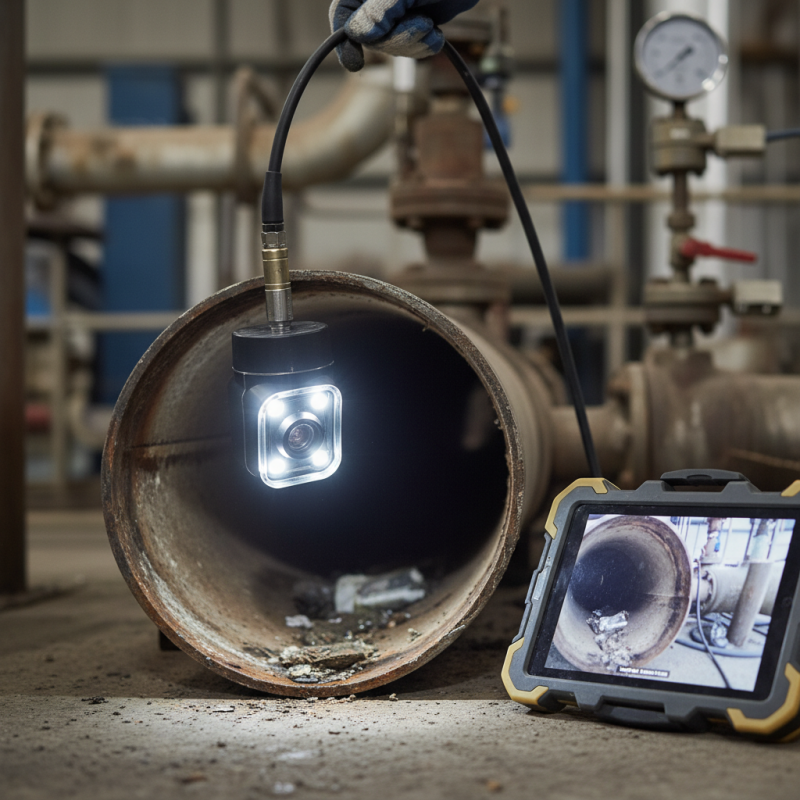
Industrial drain cameras are essential tools for inspecting pipelines and sewer systems. These high-resolution cameras are designed to travel through pipes and provide real-time video feeds. They help detect blockages, corrosion, or structural issues. The ability to see inside drains eliminates the guesswork often involved in traditional inspection methods.
These cameras are mounted on flexible cables, allowing them to navigate bends and turns in the piping system. Operators can control the camera from a distance, ensuring safety and efficiency. The data collected can be used for immediate troubleshooting and long-term planning. Observations made with these cameras can reveal unexpected issues, leading to important discussions regarding maintenance strategies.
While industrial drain cameras bring many advantages, they also have limitations. They may not detect every type of issue, especially those hidden behind thick walls. Additionally, operators require training to interpret the footage correctly. This learning curve can lead to mistakes initially. Continuous evaluation and training can help enhance skills and improve inspection outcomes.
Enhanced Accuracy in Inspections with Drain Cameras
Using an industrial drain camera for inspections significantly enhances accuracy. Unlike traditional methods, these cameras provide real-time visual feedback. Inspectors can see the exact condition of pipes, identifying blockages, cracks, or corrosion. This immediate insight leads to quicker and more efficient repairs.
Employing advanced technology, drain cameras navigate through intricate plumbing systems. They can capture high-definition images in hard-to-reach areas. This capability reduces guesswork, allowing for precise diagnoses. It minimizes the risk of overlooking critical issues. The data collected can be stored and reviewed, providing a comprehensive record of the system's health.
However, the reliance on technology can pose challenges. Misinterpretations of footage may occur, leading to incorrect assessments. Inspectors need thorough training to analyze the visuals accurately. Even with state-of-the-art equipment, human error can influence results. Continuous skill development is crucial to maintain high inspection standards and ensure the accuracy these cameras promise.
Cost-Effectiveness of Using Drain Cameras for Maintenance
Using an industrial drain camera for inspections can significantly improve maintenance practices. One of the key benefits is cost-effectiveness. Traditional methods often involve extensive digging or disruptive procedures. These can lead to higher expenses and extended downtime. In contrast, drain cameras allow for quick and thorough inspections without unnecessary disruption.
These cameras provide real-time visuals of the drainage system. This insight helps identify problems early. Early detection can save significant repair costs. You won't waste money on unnecessary excavations. Furthermore, using a drain camera reduces labor costs. Workers don't need to spend hours trying to find issues. Instead, they can focus on addressing the problems visible on screen.
Tips: Regular inspections can prevent larger issues down the line. Schedule maintenance checks with a drain camera every few months. This proactive approach can pay off in the long term. Keep in mind, however, that cameras don’t catch everything. Sometimes, there are hidden issues that might require follow-up inspections. Always be ready to adapt your maintenance strategies based on the findings.
Top 10 Benefits of Using an Industrial Drain Camera for Inspections
| Benefit | Description | Cost Savings (%) | Time Savings (Hours) |
| Detailed Inspections | Offers real-time visual access to pipe interiors for effective diagnosis. | 20% | 2 |
| Early Problem Detection | Identifies potential issues before they escalate, saving future costs. | 25% | 3 |
| Reduced Labor Costs | Less time spent on manual inspections leads to lower labor expenses. | 15% | 4 |
| Improved Safety | Minimizes the need for workers to enter hazardous areas. | 30% | 5 |
| Accurate Reporting | Provides visual evidence that aids in reporting and decision-making. | 10% | 1 |
| Long-Term Maintenance Planning | Facilitates better planning for future maintenance and upgrades. | 20% | 2 |
| High Return on Investment | Investing in drain cameras yields significant savings over time. | 40% | 6 |
| Environmentally Friendly | Reduces the need for harmful chemicals and frequent excavation. | 18% | 2 |
| Versatility | Can be used for various types of pipelines and drainage systems. | 22% | 3 |
| Minimized Downtime | Faster troubleshooting means less operational downtime. | 30% | 4 |
Improved Safety During Drain Inspections
Using an industrial drain camera significantly enhances safety during drain inspections. These cameras provide real-time visuals of underground conditions, allowing technicians to accurately identify issues without entering hazardous areas. According to a report by the National Institute for Occupational Safety and Health, unsafe conditions in confined spaces account for a substantial portion of workplace injuries. This emphasizes the value of using technology to mitigate risks.
With the ability to inspect hard-to-reach locations, drain cameras minimize physical strain on workers. They eliminate the need for manual inspection methods, reducing the likelihood of slips and falls. Statistics reveal that nearly 25% of injuries in plumbing inspections come from physical accidents. By utilizing cameras, companies can lower exposure to dangerous situations.
Moreover, the technology enables quicker assessment of blockages or damages. This results in less time spent on-site, which is both cost-effective and safer. While cameras have improved efficiency, challenges remain, such as ensuring proper training for operators. Inadequate training can pose risks, highlighting the need for structured learning programs. The use of industrial drain cameras represents a step forward in enhancing safety, yet continuous improvement is essential for maximizing their benefits.
Time Efficiency: Quick Identifications of Issues with Drain Cameras
Using an industrial drain camera significantly enhances time efficiency in inspecting drainage systems. Traditional inspection methods often involve guesswork and extensive manual labor, leading to delays. In contrast, drain cameras provide real-time visuals of the internal condition of pipes. This allows technicians to quickly identify blockages, cracks, or any abnormalities. The visual feedback is immediate, which accelerates the decision-making process.
Beyond speed, the precision of drain cameras is noteworthy. These devices can navigate tight bends and complex pipe networks, capturing clear images. They reveal issues that might be missed during a standard inspection. However, reliance on the technology can lead to oversight in some cases, as not all problems are visually detectable.
While drain cameras enhance efficiency, there’s still a need for skilled operators. Expertise is required to interpret the footage correctly. A trained technician knows how to differentiate between minor issues and serious risks. Relying solely on cameras can be misleading if the operator lacks experience. Continuous training and practice are essential to ensure the technology serves its best purpose.
Time Efficiency: Quick Identifications of Issues with Drain Cameras
This bar chart illustrates the time efficiency gained from using an industrial drain camera. It shows the number of identified issues, the average inspection time saved in minutes, and the average follow-up actions required. Utilizing a drain camera allows for quicker assessments and faster resolutions of drainage problems.