
China has become a major manufacturing base for metal packaging equipment. This guide introduces ten notable Chinese Can Body Making Machine manufacturers and explains why they deserve closer evaluation. The selection considers production experience, engineering capability, equipment performance, and service reliability.
A capable supplier should provide more than an attractive machine photograph. Buyers need clear information about can diameter, material thickness, forming speed, tooling life, power requirements, and compatible production lines. Factory audits, technical drawings, test videos, and customer references can reveal practical differences. Installation support also matters. A machine may perform well in a showroom, yet require careful adjustment on a busy factory floor. Spare parts availability and response time can influence long-term production stability.
The ranking should not be treated as an absolute verdict. Public information is sometimes incomplete, and supplier claims require independent checking. A polished brochure is not proof of consistent output. This article therefore encourages readers to compare verified specifications, inspect quality systems, and request sample production before purchasing. Attention is given to manufacturers serving food cans, aerosol cans, paint containers, and other standard metal packaging applications, where precision and repeatability are essential. Some companies may excel in customization, while others may offer stronger automation or after-sales support. That difference matters. The best choice depends on production volume, can design, budget, and technical expectations. A reliable decision combines documented evidence with direct communication, not rankings alone.
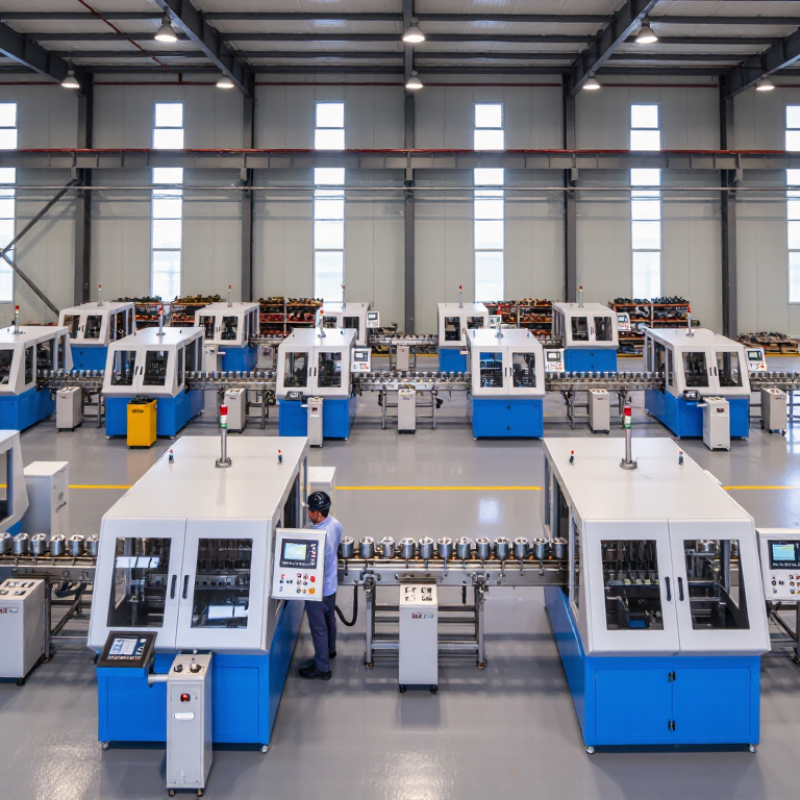
A can body making machine is industrial equipment that converts flat metal sheets into cylindrical can bodies. It is commonly used for food, beverage, paint, and general packaging production. The machine may cut, roll, weld, and shape the sheet with precise timing.
In a three-piece can line, a feeder sends tinplate or steel sheets into a forming section. Rollers curve each sheet, while a side-seam unit joins the edges. The body then passes through coating, curing, flanging, and inspection stations. Sensors check diameter, seam position, and surface defects. Small errors matter. A weak seam can cause leakage during filling or transport.
Two-piece can production uses a different process. A press draws and stretches one metal blank into a seamless body. Selecting equipment requires attention to material thickness, output speed, seam quality, tooling changes, and maintenance access. Operators should also examine guarding, emergency stops, documentation, and replacement-part availability. A clean layout helps reduce metal dust and accidental damage.
From production experience, advertised speed is not the whole story. Stable performance often matters more than a high peak rate. I would inspect sample bodies, measure seam strength, and review maintenance records before comparing manufacturers. The machine may look impressive. Its daily consistency is harder to judge. Some lines also require skilled adjustment after material changes, which buyers may underestimate.
China Top 10 Can Body Making Machine Manufacturers
How to Evaluate Chinese Can Body Machine Manufacturers
Searching for the top 10 can body machine manufacturers in China requires more than comparing website rankings. A supplier should prove stable production, accurate forming, and responsive technical support. Buyers should examine factory experience, engineering capacity, and completed projects in similar industries. Ask for machine videos, production data, and customer references. Real evidence matters. Request a live trial using your material, thickness, and target can size.
Technical evaluation starts with the welding system, body-forming accuracy, line speed, and changeover time. Check seam strength, electrical safety, noise levels, and access to maintenance points. Measure output after continuous operation, not only during a short demonstration. Inspect critical components and confirm their service life. Small details matter. A poorly positioned sensor can create repeated stoppages and wasted sheet metal.
Supplier reliability also depends on documentation and after-sales support. Confirm installation procedures, operator training, spare-parts availability, warranty terms, and remote troubleshooting methods. A responsible manufacturer should provide drawings, manuals, inspection records, and clear acceptance standards. During a factory visit, observe housekeeping, testing discipline, and how engineers respond to difficult questions. A polished showroom can still hide weak production control. I would also allow room for doubt: promised speed may fall under real workloads, and my evaluation could miss hidden maintenance costs. Therefore, use independent testing and written performance clauses before placing an order.
| No. | Evaluation Dimension | What to Evaluate | Reliable Evidence to Request | Suggested Weight | Assessment Standard |
|---|---|---|---|---|---|
| 1 | Machine Type Compatibility | Confirm whether the equipment is designed for three-piece welded cans, two-piece drawn cans, or two-piece drawn-and-ironed cans. | Technical datasheet, process-flow diagram, sample production records, and references using the same can structure. | 15% | Exact match with the required can body process. |
| 2 | Production Speed | Check rated speed, sustained operating speed, changeover time, and actual output after quality rejects and planned stoppages. | Factory acceptance test, hourly production reports, speed curves, and recorded uptime data. | 12% | Sustained output should meet the buyer’s target, not only the nameplate speed. |
| 3 | Can Size Range | Evaluate supported body diameter, height, material thickness, and tooling range for the intended products. | Dimensional range chart, tooling drawings, sample cans, and documented trial results for each required size. | 10% | All required dimensions must be covered without unverified modifications. |
| 4 | Material and Process Capability | Verify suitability for tinplate, electrolytic tinplate, aluminum, or other approved substrates required by the customer. | Material specifications, forming-force calculations, test reports, and successful trials with the buyer’s actual substrate. | 10% | Stable forming performance with the specified material grade and thickness. |
| 5 | Dimensional Accuracy | Assess body diameter, height, flange geometry, wall thickness, seam dimensions, roundness, and repeatability. | Inspection plans, calibrated measurement records, capability studies, and product samples measured against approved drawings. | 12% | Results consistently remain within the agreed product tolerances. |
| 6 | Automation and Controls | Review PLC and HMI functions, sensor coverage, fault diagnosis, recipe storage, data logging, and line integration. | Controls architecture, electrical drawings, alarm list, software backup procedure, and communication-interface specifications. | 10% | Clear diagnostics, protected parameters, and documented control-system backups. |
| 7 | Quality and Safety Compliance | Check quality-management practices, guarding, emergency stops, electrical safety, risk assessment, and conformity documentation. | ISO 9001 certificate scope, risk-assessment file, electrical test reports, machine manual, and applicable conformity documentation. | 12% | Documents are current, traceable, and applicable to the supplied machine. |
| 8 | Tooling and Changeover | Evaluate tooling life, setup procedure, changeover duration, adjustment accessibility, and availability of replacement parts. | Tooling drawings, recommended maintenance intervals, setup instructions, spare-parts list, and changeover demonstration. | 8% | Fast, repeatable changeover with clearly identified wear parts. |
| 9 | After-Sales Service | Assess installation, operator training, remote troubleshooting, service response, spare-parts support, and warranty terms. | Service-level agreement, response-time commitment, training plan, warranty terms, installed-base references, and spare-parts lead times. | 6% | Defined support responsibilities with practical response and parts-delivery targets. |
| 10 | Total Cost of Ownership | Compare purchase price, installation, utilities, labor, tooling, consumables, maintenance, downtime risk, and expected service life. | Itemized quotation, utility-consumption data, maintenance schedule, spare-parts pricing, and lifecycle-cost calculation. | 5% | Lowest verified lifecycle cost, rather than lowest initial quotation. |
| Total Evaluation Weight | 100% | Use verified evidence before ranking suppliers. | |||
Recommended ranking method: score each manufacturer from 1 to 5 for every dimension, multiply the score by the corresponding weight, and validate the result through a witnessed factory acceptance test using the buyer’s actual materials, tooling, and can specifications.
China’s Top 10 Can Body Making Machine Manufacturers reflect China’s strong metal-packaging equipment sector. However, a “top 10” list should not rely on advertising alone. Buyers should examine production experience, engineering depth, export records, and after-sales support. A reliable manufacturer can explain how its machines handle feeding, cupping, drawing, trimming, and inspection. It should also provide clear tolerance data and maintenance schedules.
In practical factory use, stability matters more than impressive speed. A machine running smoothly at a moderate rate may outperform a faster line with frequent stoppages. Check steel thickness ranges, changeover time, motor efficiency, and spare-parts availability. Ask for sample cans made with similar materials. Look closely at rim quality, sidewall consistency, and surface marks. Small defects become expensive when production runs continuously. I have seen specifications look excellent on paper, yet operator training was weak. That gap deserves attention.
Tips: Visit an operating facility if possible. Request performance records, not only brochures. Discuss installation, remote support, and technician response times. Confirm whether software settings are easy to adjust. Also, leave room for honest uncertainty. A manufacturer may be capable, but every line has limits. The best choice usually matches your can size, materials, output target, and local service conditions.
China Top 10 Can Body Making Machine Manufacturers?
Key Technologies and Machine Features to Compare
Comparing can body making machines requires more than checking production speed. Examine the forming process, material compatibility, and control accuracy. Servo-driven systems usually provide smoother motion and tighter dimensional control. This matters when thin steel or aluminum passes through several forming stages. Ask for verified output at your target can diameter, wall thickness, and line speed.
Sensor quality deserves close attention. Optical and pressure sensors can detect misalignment, wrinkles, and incomplete forming before defects spread. A reliable PLC should record alarms, production counts, and downtime causes. Real-time data helps maintenance teams identify repeated faults. It also exposes weak points.
Small details matter.
Inspect the tooling design, lubrication system, and changeover method. Quick-change tooling can reduce setup time, but only if operators can adjust it safely and precisely. Check the machine frame for vibration during continuous operation. Excessive vibration may increase noise, wear, and dimensional variation. Energy consumption should be measured under real production loads, not only listed as a nominal figure. This is where comparisons often become imperfect.
Request sample cans, test reports, maintenance schedules, and operator training details. Confirm whether spare parts remain available after installation. Independent inspections can verify guarding, electrical safety, and operating stability. A polished demonstration is useful, but several hours of factory testing reveal more. Look closely at rejected cans, surface marks, and temperature changes around the drive system.
This chart uses common nominal can-format codes to illustrate the dimensional range that can body-making equipment may need to support. Diameters and heights are calculated from the standard can-code convention, where the first digit group indicates diameter in sixteenths of an inch and the second group indicates height in sixteenths of an inch. Format flexibility, tooling changeover time, dimensional accuracy, and stable high-speed operation are important comparison criteria when evaluating machinery.
Choosing among China’s top can body making machine manufacturers requires more than comparing prices. Confirm the supplier’s experience with your can diameter, steel or aluminium grade, production speed, and required wall thickness. A machine designed for beverage cans may not suit food cans. Ask for recent factory acceptance records, sample cans, and measured scrap rates. Smithers’ 2024 metal packaging outlook identifies lightweighting, automation, and recycled content as major industry priorities. Your selected manufacturer should explain how its equipment supports these trends.
Inspect the complete production line, including cupping, drawing, ironing, trimming, washing, and vision inspection. Request documented figures for hourly output, uptime, energy consumption, and changeover time. The International Aluminium Institute reports that recycling aluminium can save about 95% of the energy required for primary production. Therefore, ask whether the system handles recycled material consistently. Compressed-air losses also deserve attention. The U.S. Department of Energy notes that compressed air can consume 10% to 30% of industrial electricity. A low purchase price can still become expensive.
Tips: Compare at least three technical proposals using one specification sheet. Require a video test with your material and dimensions. Check spare-parts availability, remote diagnostics, training, and response times. Visit an operating installation if possible. Do not accept vague promises about “high speed.” Measure actual good cans per minute. I would also inspect rejected cans personally; small wrinkles or unstable flanges often reveal deeper process problems. No supplier is perfect, and your evaluation should record these weaknesses openly.
Join our mailing list to receive the latest news and updates from our team.