Top Metal Machined Parts for Global Buyers in 2026?
As the global demand for precision engineering rises, the importance of Metal Machined Parts continues to grow. According to a recent report by Market Research Future, the metal machining market is projected to exceed USD 300 billion by 2026. This trend reflects the increasing use of these components across various industries, including aerospace, automotive, and electronics. Notably, Dr. Emily Wong, a renowned expert in manufacturing technologies, emphasizes, "The quality of metal machined parts directly influences product performance."
Manufacturers are continually seeking ways to enhance the efficiency and accuracy of Metal Machined Parts. Improvements in technology and materials are pivotal. Yet, despite advancements, challenges remain. Fluctuations in material costs and changing consumer demands make forecasting difficult. While some companies thrive, others struggle to adapt, leading to inconsistencies in quality and production.
A reliable approach to sourcing Metal Machined Parts is critical. Buyers must assess suppliers thoroughly and prioritize those with a proven track record. As the industry evolves, understanding these dynamics is essential for global buyers aiming to remain competitive in the market.
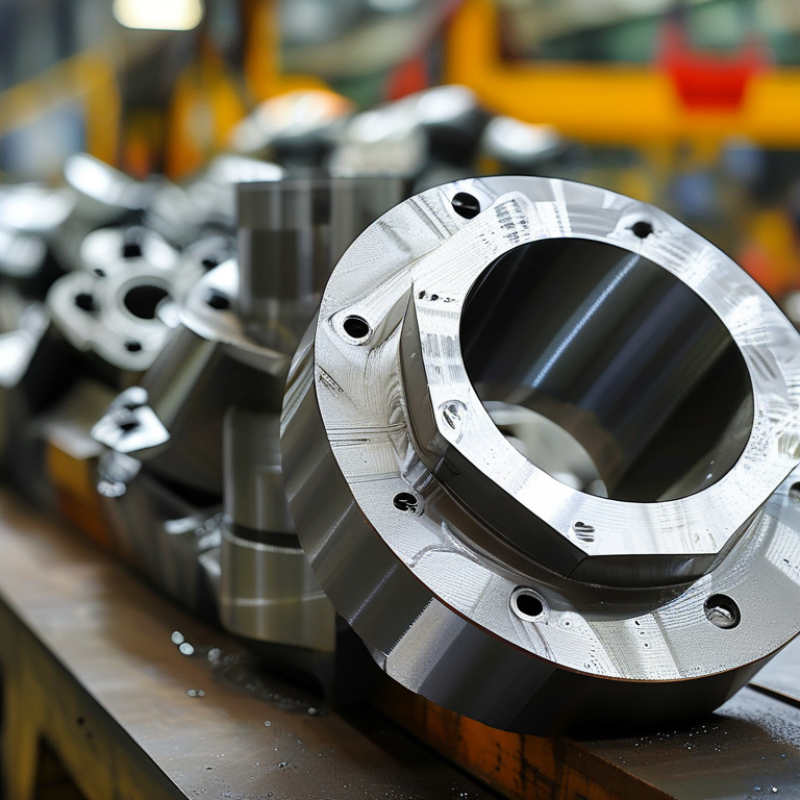
Top Metal Types Used in Machined Parts for Global Markets
In 2026, metal machined parts will continue to dominate industries around the globe. Certain types of metals stand out as preferred choices for these applications. Steel, aluminum, brass, and titanium are the top contenders. Each metal type has unique properties that cater to specific needs in manufacturing. Steel, for instance, is favored for its durability and strength, particularly in automotive and aerospace applications.
On the other hand, aluminum is known for its lightweight nature and resistance to corrosion. According to industry reports, the demand for aluminum machined parts is projected to grow by 5% annually. Brass is often chosen for its machinability and aesthetic appeal in decorative components. Meanwhile, titanium is viewed as a premium material due to its high strength-to-weight ratio and resistance to extreme temperatures.
When selecting metal types for machining, consider the specific requirements of your project. Evaluate the operating environment, desired lifespan, and weight constraints. This can impact not just performance but also costs. Balancing these factors will help in making more informed decisions. Always remember that wrong material choices can lead to inefficiencies and increased expenses.
One common oversight is underestimating the machining difficulty of certain metals. For example, titanium is more challenging to machine than aluminum and often requires specialized tools. Hence, collaboration with experienced suppliers can provide valuable insights and technical guidance for optimal production outcomes.
Key Manufacturing Processes for Metal Machined Parts in 2026
In 2026, the manufacturing landscape for metal machined parts is set to evolve significantly. Key processes include CNC machining, additive manufacturing, and injection molding. According to a report by Grand View Research, the CNC machining market alone is projected to reach over $100 billion by 2025, reflecting the growing demand for precision parts across multiple industries.
CNC machining offers high precision and efficiency. This process allows for tight tolerances, often within 0.005 inches, making it ideal for sectors like aerospace and automotive. Furthermore, additive manufacturing is gaining traction. This method provides flexibility in design and reduces waste material, aligning with sustainability goals. Research suggests that additive manufacturing could account for 25% of total manufacturing output by 2030.
However, challenges persist. Skilled labor shortages could hinder progress, affecting the production quality. Companies must adapt to training initiatives to ensure a workforce that meets evolving technological demands. Industry leaders are exploring collaborations with educational institutions to bridge this gap. With innovation and adaptability, the metal machining industry can navigate these challenges, pushing toward a more automated and efficient future.
Top Metal Machined Parts for Global Buyers in 2026
| Part Type | Material | Manufacturing Process | Applications | Market Demand (Units) |
| Gear | Steel | CNC Machining | Automotive, Industrial | 1,200,000 |
| Bracket | Aluminum | Casting | Aerospace, Electronics | 800,000 |
| Housing | Brass | Forging | Plumbing, HVAC | 600,000 |
| Valve | Stainless Steel | Casting and Machining | Oil & Gas, Water Supply | 900,000 |
| Shaft | Carbon Steel | Lathe Machining | Automotive, Robotics | 750,000 |
Trends Impacting the Demand for Metal Machined Parts Globally
The demand for metal machined parts is evolving rapidly. Several key trends are influencing this growth. Automation is reshaping manufacturing processes. Companies are investing in advanced CNC machines and robotics. This shift enhances precision and reduces production time. However, the initial cost of these technologies can be daunting for smaller firms.
Sustainability is another vital factor. Manufacturers are focusing on eco-friendly materials and processes. The desire for greener solutions is driving innovation in metal machining. Companies are exploring the use of recycled metals. This shift could improve both their environmental footprint and market appeal. Yet, transitioning to sustainable practices often requires significant changes in manufacturing techniques.
Global supply chain dynamics are also crucial. Geopolitical tensions can disrupt traditional supply routes. As a result, buyers are looking for localized production options. This movement may lead to higher costs in the short term. Still, it promises greater resilience in the face of future disruptions. Evaluating these trends is essential for stakeholders to navigate the complexities of the market.
Top Metal Machined Parts Demand Trends for Global Buyers in 2026
Sustainability Practices in Metal Machining for Global Buyers
Sustainability in metal machining is becoming crucial for global buyers. As the industry evolves, companies are increasingly prioritizing eco-friendly practices. This shift meets both consumer demand and regulatory requirements. Energy-efficient machinery and sustainable materials are now essential in production.
Some companies are exploring renewable energy sources. Solar and wind power reduce reliance on fossil fuels. Additionally, recycling excess materials minimizes waste and lowers costs. Not all methods are perfect, and businesses must analyze their impact carefully. Evaluating processes often reveals areas for improvement.
Investing in employee training fosters a culture of sustainability. Educating staff about best practices can enhance operational efficiency. Transparency is also vital. Buyers want to see clear information about sustainability efforts. Regular audits and reporting mechanisms can build trust. Balancing sustainability with profitability requires ongoing reflection and adaptation. This evolving challenge will shape the future of metal machining.
Emerging Technologies Shaping the Future of Metal Machining Industry
The metal machining industry is undergoing a transformation thanks to emerging technologies. By 2026, innovations such as artificial intelligence and additive manufacturing will significantly impact this sector. According to a report from Market Research Future, the global metal machining market is projected to reach $122 billion by 2026, growing at a CAGR of 5.2%.
Automation is revolutionizing production processes. Advanced CNC machines can optimize cutting speeds, reducing waste and enhancing precision. The integration of IoT devices allows for real-time monitoring of equipment. This connectivity leads to data-driven decisions, improving overall efficiency. However, reliance on technology raises concerns about cybersecurity and job displacement.
Investing in employee training and development is crucial. Skilled labor remains a valuable asset. As automation increases, companies must focus on upskilling workers to adapt to new technologies. Collaboration between operators and machines is essential. The future of metal machining will balance automation with human expertise.